


Yeng-yu was born in the temple of Zhengfei.
QbitAI is public.
GPT-Image-2.6 is suddenly up!
The overall generation time is reduced by 50% to 6 seconds; native support for generating GIFs; support for directly exporting SVG vector formats.
For the first time in the API, OpenAI has broken down the brainstorming scenes of a model into two independent parameters, significantly reducing the cost and time it takes to make multiple modifications.
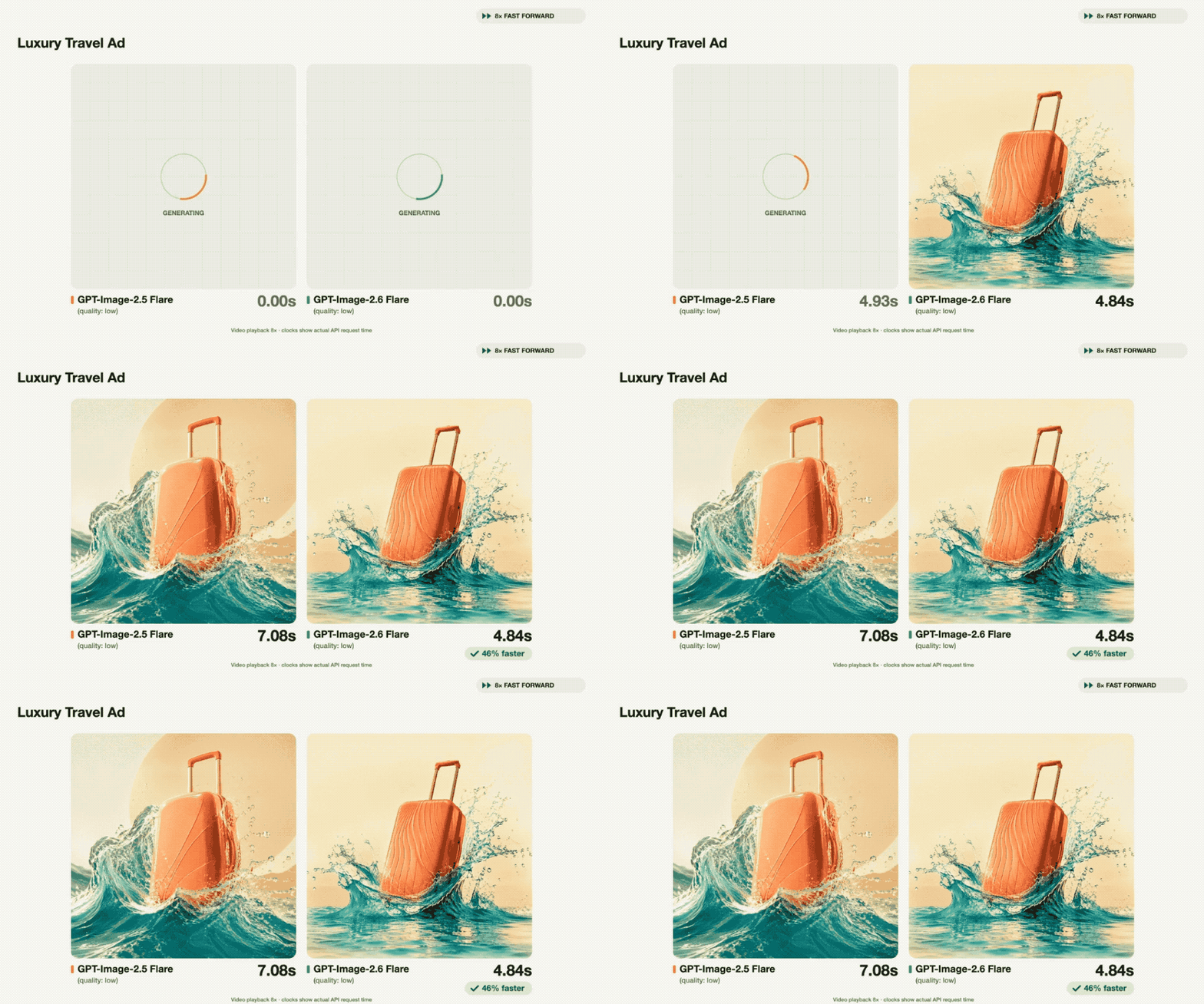
Currently, GPT-Image-2.6 is available for both free and paid users in ChatGPT, Codex and APIs.
Disconnect the brains of the brains and the brains of the brains, at least 6 seconds.
For the first time, the API of GPT-Image-2.6 separated two specific models: Flare and Sunburst.
Flare's main speed and layoutDesigned specifically for commercial visuals such as posters and e-commerce product graphics, the production time for a single image under a low graphic quality rating has been squeezed to 6 seconds.
Sunburst is responsible for hardening bones.It offers greater detail accuracy under the medium and high quality grades, and the core problem of consistency has been solved by changing characters and commodities in a multi-phase dialogue modification.

Changes in the underlying control logic are equally worthy of attention
In the past, when using a bio-graph API, developers often adjusted only the resolution or graphic quality of the graphics. Even if only the background color was changed, the model would need to be re-complete to run the layout again.
In this version of Images 2.6, a new parameter called complexity is added.It is specifically used to control how much computational effort a model spends on scenic planning before moving a pencil. The original quality, or quality parameter, is purely responsible for visual detail and accuracy.
This approach to deconstructing conceptual energy and rendering accuracy, and to regulate reasoning and deep thinking in large text models, is an example.
In the actual workflow, if it's daily local tweaking or rapid conversion, developers can tweak complexity to low while maintaining high-quality output.
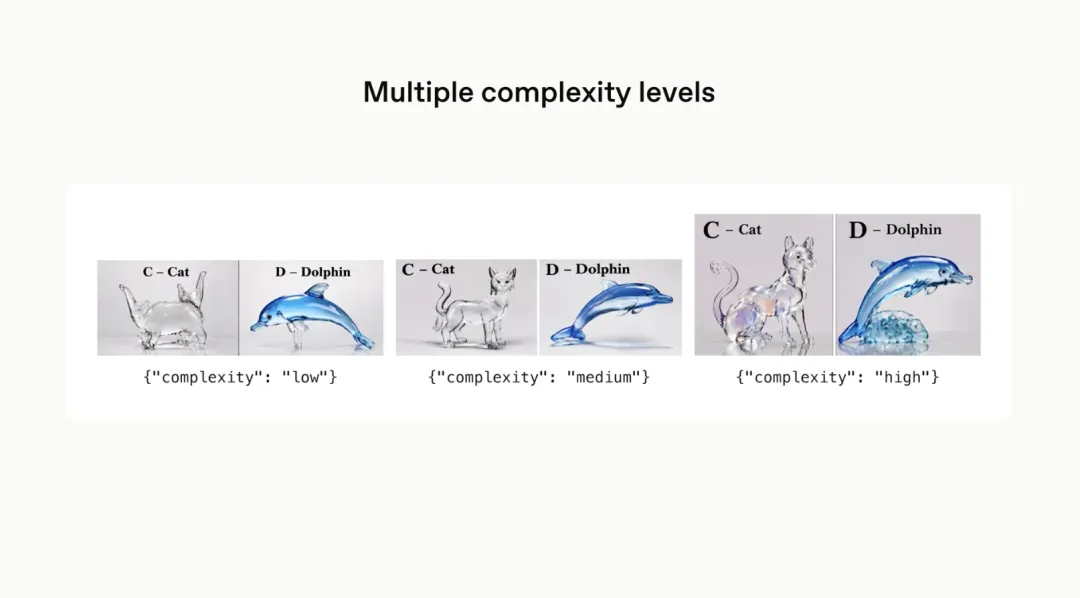
This will save the time for the model to be re-deployed, only to do high-precision repainting.
Complexity can only be enhanced when faced with complex scenarios with multiple elements in the same frame or with extreme constraints.
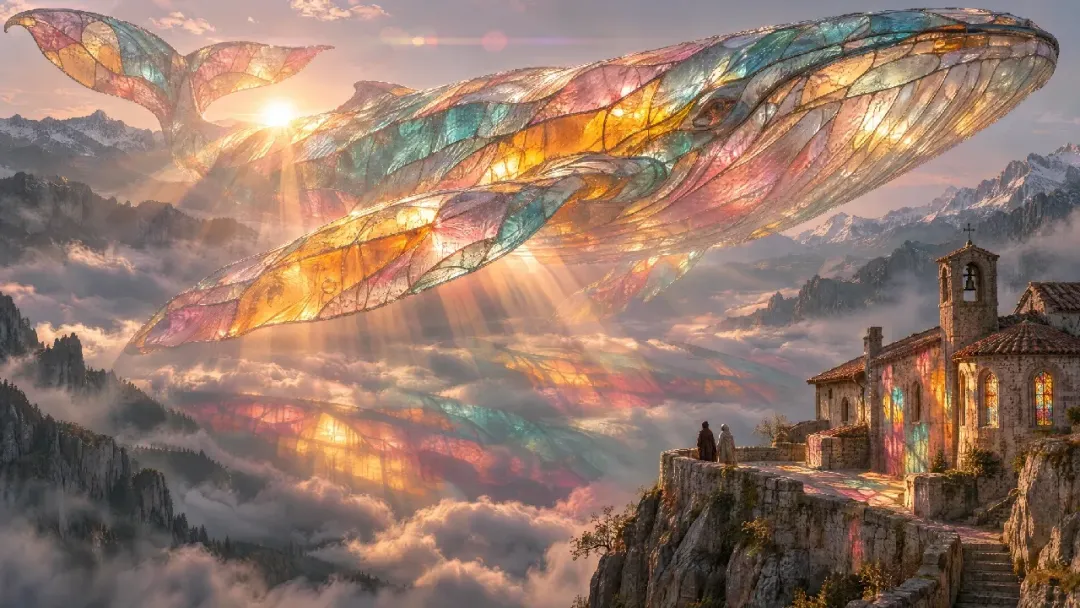 Image generated by AI
Native support for GIF animation with 3×2 sequence snippets
Native support for GIF animation is the most intuitive new feature in Images 2.6.
The brand mascots want to add a little bit of action, or want to make a few face packs for social media, or just paint a owl on a horizontal book with a round pencil.
The dynamic stickers were thrown to the model, the background was clean and the movements were consistent.
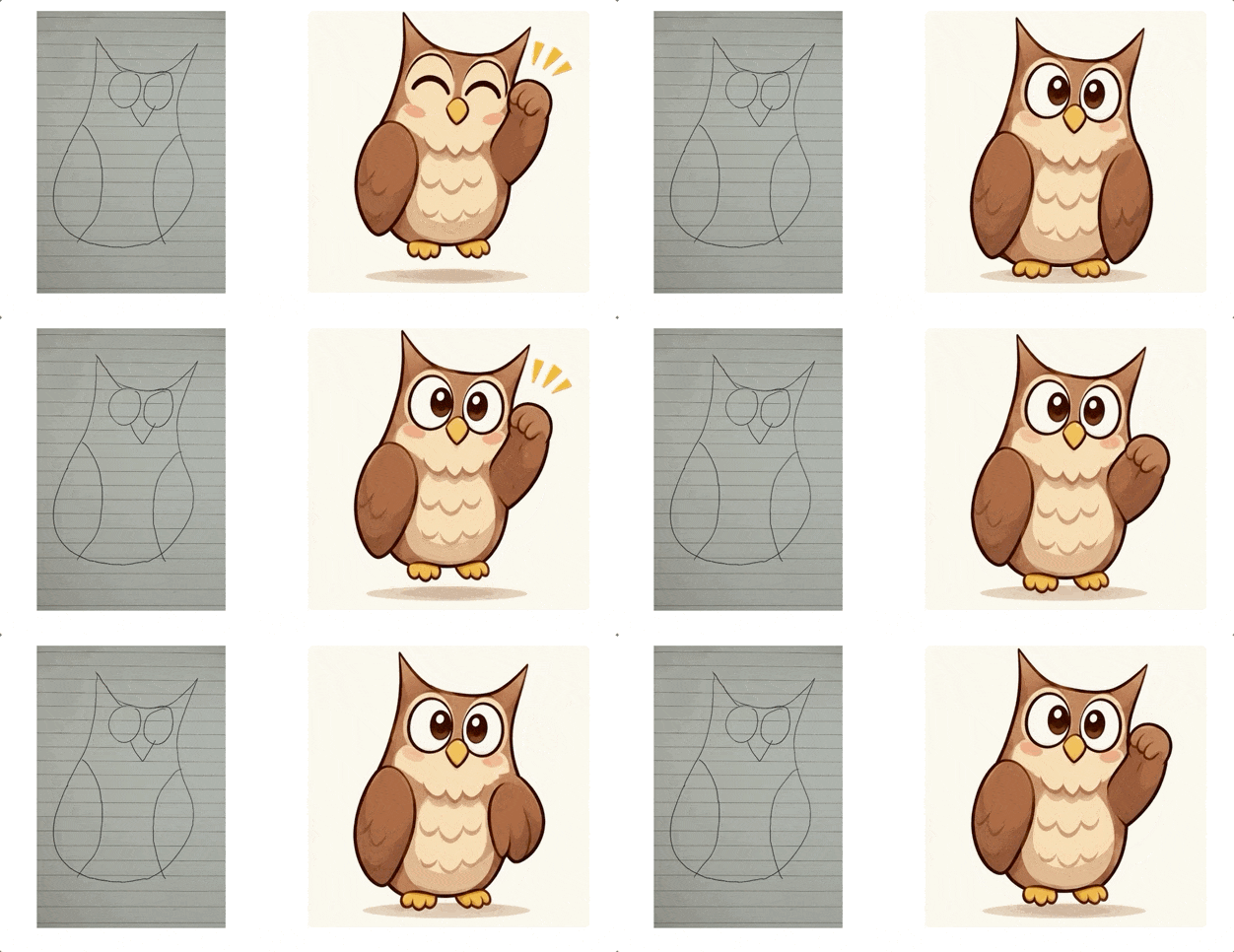
How can a live graphics model quickly generate a flowing GIF without asking for the help of a heavy video generating model?
The answer lies in the official OpenArt collaboration case prompts.
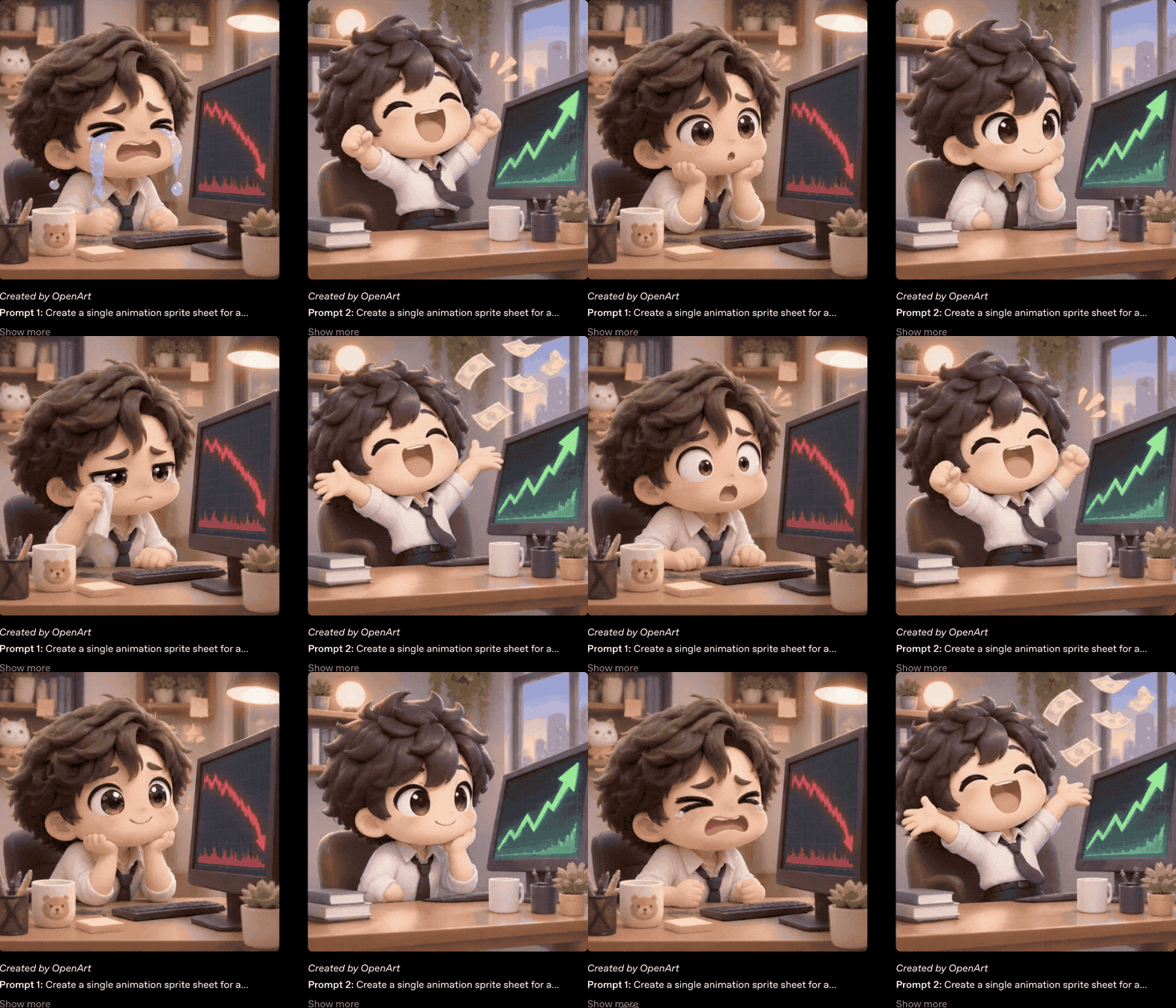
This group of workers stared at the movement to celebrate the stock market crash, the stock market crash, and behind the model, the Prompts actually looked like this:
The sprite sheet generates a single animation sequence chart for seamlessly circulating GIFs... consisting strictly of six consecutive sprites, arranged in precise 3 x 2 row grid patterns, from left to right, from top to bottom. Each panel is exactly the same size. Three-quarters of the machines on the fixed front side, the same character, the same desk, the same display, the same outfit, and the same background.
Do you understand?
Instead of using the complex time-space scattering calculations of video, it uses a sequential computing idea borrowed from the gaming industry.In one scene, the animation is categorized into 6G strictly synthetic silk.(Sprite Sheet)It's finished.
The last piece, the GIF, won't come?

The benefit of doing so is that it bypasses the expensive reasoning delays of the video model and ensures the relative fixation of each character's five senses, clothing and background objects.
This capability is now being used by companies in real-time.
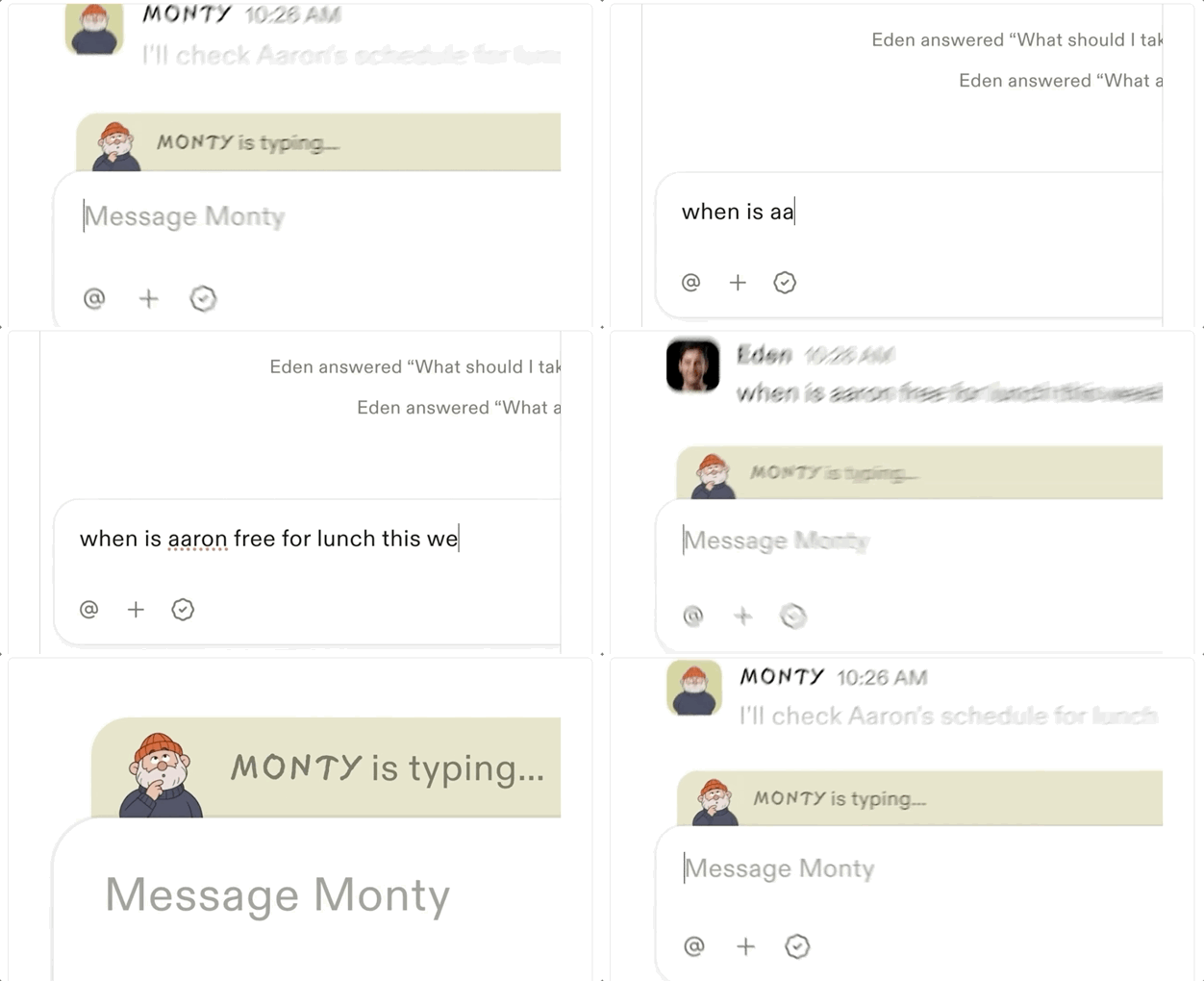
For example, the startup Town, which is an AI office assistant, brought it in through an API to generate real-time microfaces such as typing, feedback, and animation specifically for virtual assistants in work software.
Directly out of SVG, open local tags open to API
This update also brings with it two very real engineering capabilities.
One is the SVG vector map output, and the other is the image tag on the API end.(Image markup)。
Anyone who's done the front end or the UI knows that an AI-generated bitmap doesn't look at the edge when it's enlarged... to plug into a web page or an app, the general operation is to find a third-party tool to convert it into a vector format.
It's really folded.
Images 2.6 Direct native support for exporting SVG.
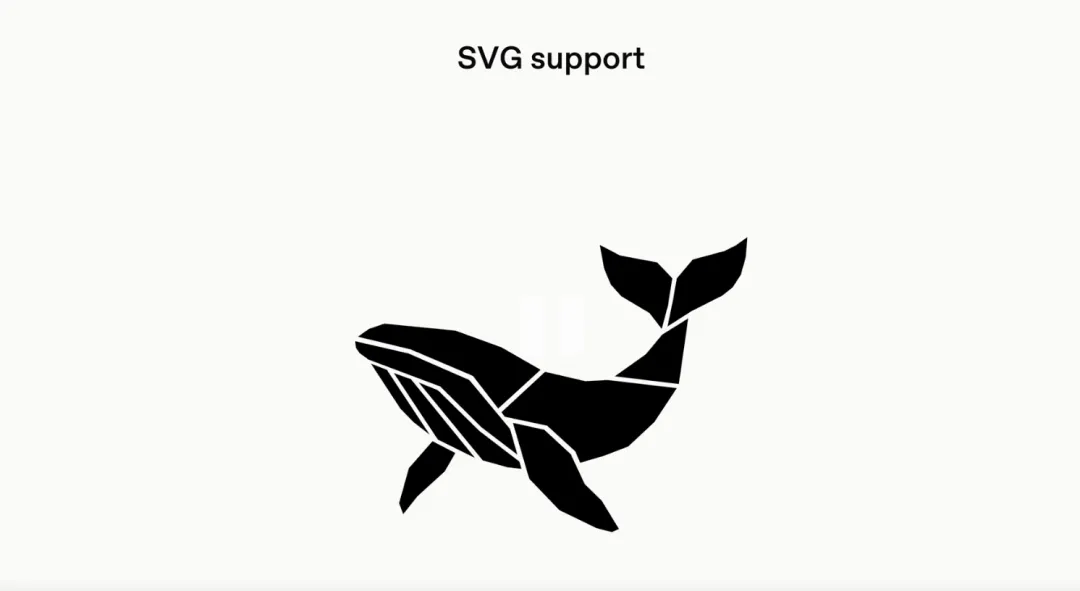
Originally, when programmers wrote the front-end code in the codex, they could directly let the model generate indefinitely scalable icons, components, and illustrations and write them into the code library.
In the middle, the transition links are all saved!
Additionally, the Circular Selection Local Repainting (IRM) feature, which was previously only available at the end of the ChatGPT webpage, is now officially open to the API.
Corporate teams can use coordinates or overlays directly in the backdrop of their products, and with the high consistency of the Sunburst model, the bulk changes can run like a stream of water.
One More Thing
A small surprise was found outside the model:
GPT-6.2 Astra is now available in the Google Cloud
The link is as follows:
[1]
[2]