China has already produced a unicorn valued at RMB 7 billion.
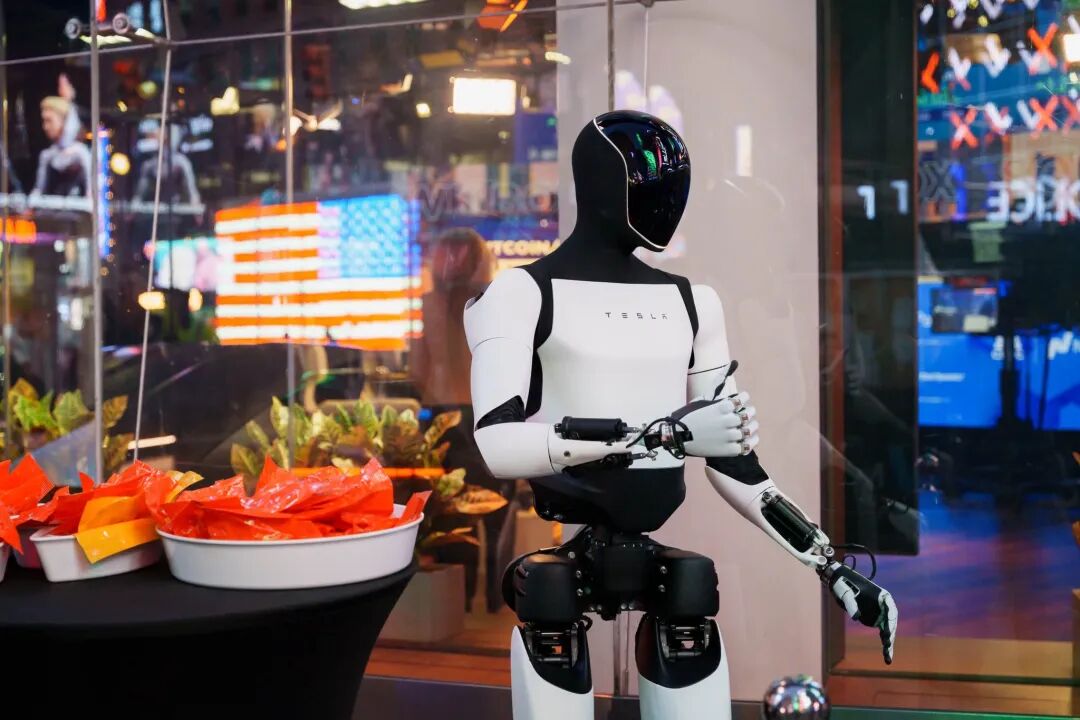
“I think it will probably be rented.”At a recent Baron Investment Conference in New York, Tesla CEO Elon Musk was asked whether the humanoid robot Optimus would be sold or leased. That was his answer.
This is the first time Tesla has explicitly disclosed how it expects to deliver Optimus to customers.
The Fremont factory has begun early production, using space freed up after the Model S and Model X lines were removed. Tesla’s plan calls for annual capacity of one million units and a weekly production target of 20,000. External deliveries are expected by the end of 2027. The initial cost per robot is about $30,000, with Musk expecting it to fall to around $20,000. Tesla’s productivity target is for one robot to do the work of five people.
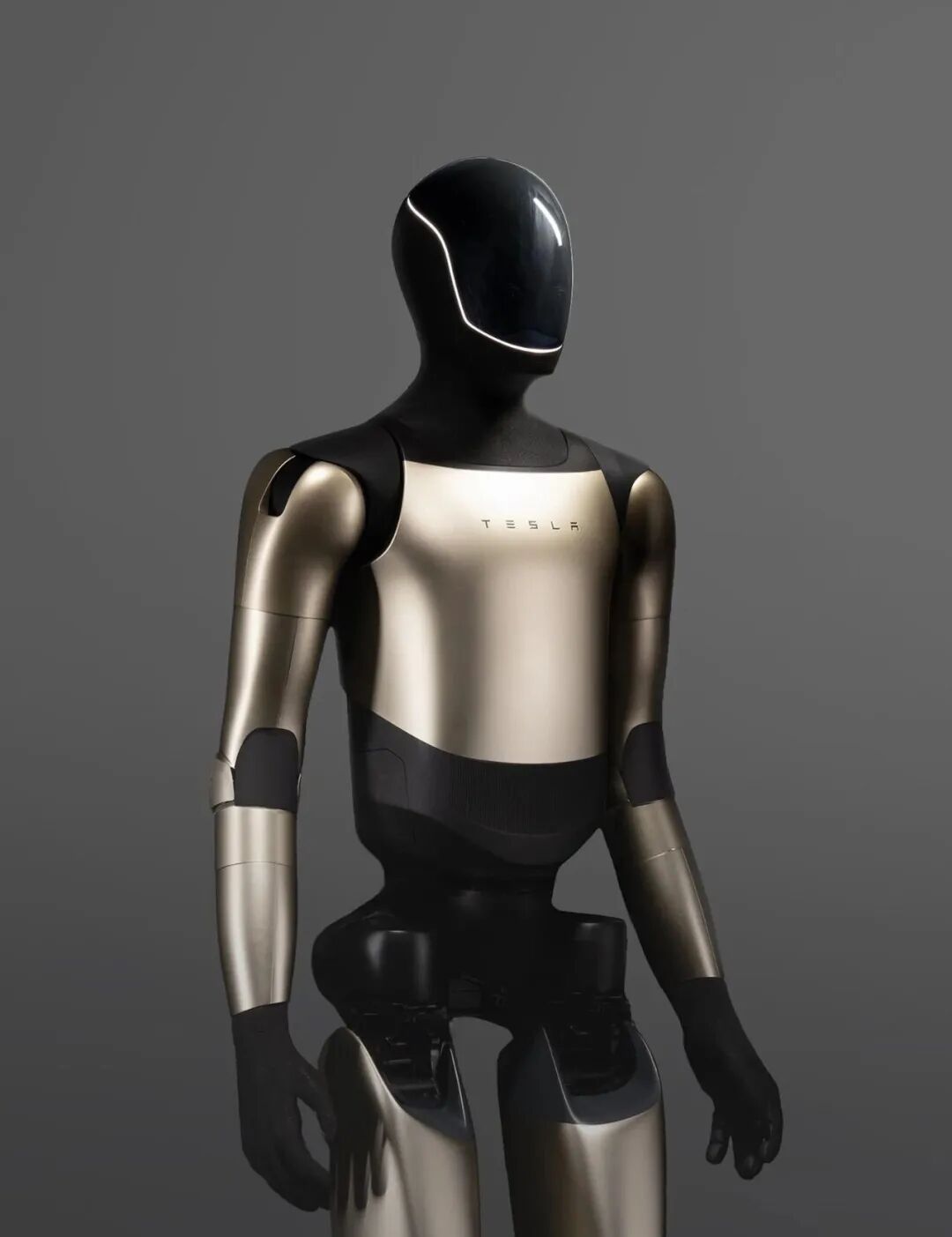
Tesla wants to sell the work the robot does, rather than the robot itself. By the time the company settled on that approach, China’s robot-rental business had already been running for a year. The two markets now show curves moving in opposite directions.
01.
From launch to a RMB 7 billion valuation in five months
Among China’s robot-rental businesses, Qingtianzu has disclosed the highest valuation so far. AGIBOT launched the platform with Feikuo Technology, whose founder Li Yiyan became CEO. It went online in Shanghai on December 22, 2025, describing itself as the world’s first robot-rental platform.
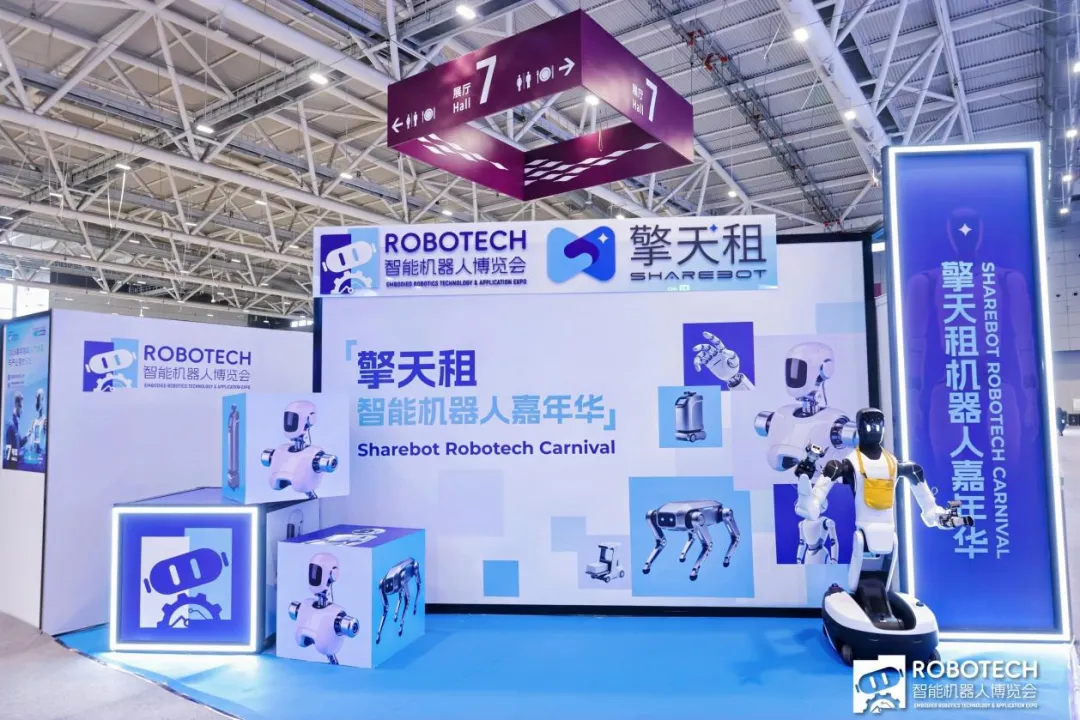 Its early growth was rapid. Within three weeks, it had more than 200,000 registered users and over 200 rental orders a day. On January 15, less than a month after launch, Qingtianzu announced a seed round led by Hillhouse Ventures, with participation from Fosun Capital and others. During the Lunar New Year holiday, orders topped 1,000 and more than 16,000 people applied to become city partners.
Investment followed. By April, Qingtianzu had completed four funding rounds in four months, reaching a valuation of RMB 3 billion and a dispatchable fleet of more than 4,000 robots. Dayang Motor, a motor manufacturer, led one round; Lehua Entertainment appeared among the investors. On May 20, the platform announced several hundred million yuan in Series A and A+ financing at a RMB 7 billion valuation, making it a unicorn. It had taken five months to get there.
Jiang Qingsong, an AGIBOT partner, previously forecast that China’s robot-rental market could grow from RMB 1 billion last year to at least RMB 10 billion this year.
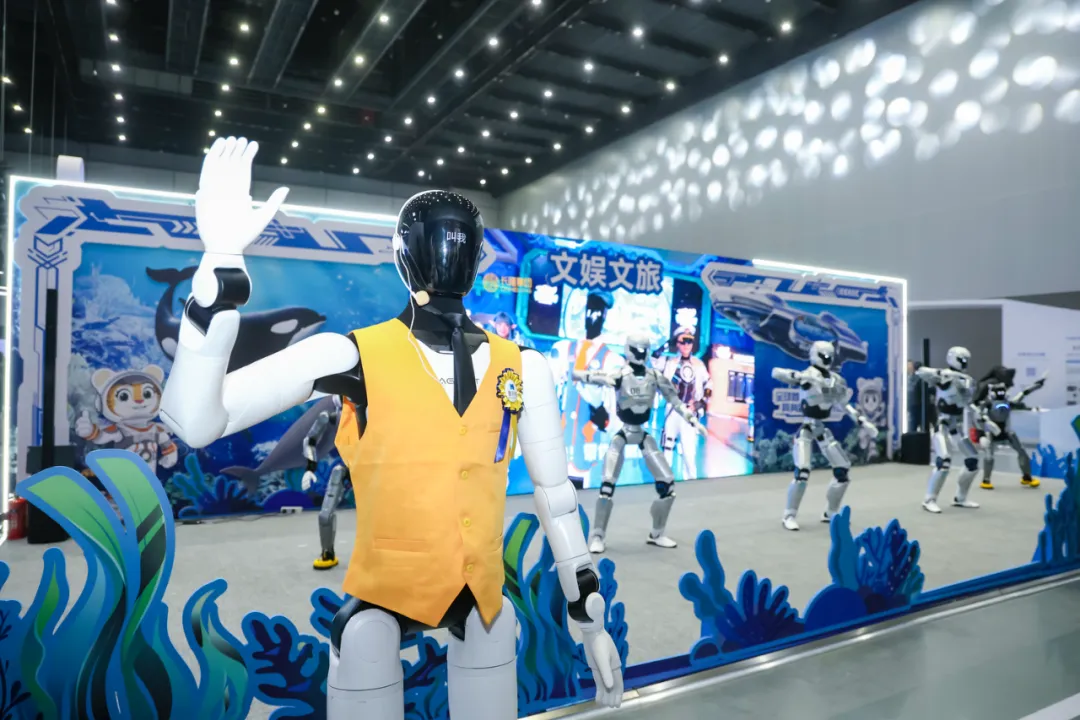
Other signs point in the same direction. Wanjiyizu reached a post-money valuation of RMB 1 billion, while JD Leasing added robots to its self-operated rental store. A 2026 real-world training initiative for humanoid robots and embodied AI, jointly launched by China’s Ministry of Industry and Information Technology and State-owned Assets Supervision and Administration Commission, explicitly encourages a Robots-as-a-Service model. It cites pay-per-use and commercial leasing as ways to lower customers’ upfront costs.
Over the past six months, platforms, competitors and policy documents have all moved toward leasing.
02.
Daily rental rates have returned to the thousands-of-yuan range
Valuations are rising, while rental rates are moving in the opposite direction.In the first half of this year, all-inclusive daily rentals for humanoid robots were still around RMB 10,000. In the second half, rates for mainstream models generally fell to RMB 2,000–3,000. Unitree’s U2 is about RMB 3,000 a day, while its more basic G1 is around RMB 2,000. Some robots listed on JD’s rental platform cost less than RMB 1,600 a day before add-ons. Robot dogs are cheaper: a Unitree Go2 rents for RMB 164 a day, or less than RMB 100 per day when rented for a full month.
Rental-platform quotes indicate that the all-inclusive daily rate for mainstream humanoid robots has fallen by more than 70% in a year. The decline is not because manufacturing costs have dropped by the same amount; rather, supply has poured into a market whose demand has not yet expanded. More vendors have entered the rental business and more machines are available, but the number of use cases has not kept pace. Renting a robot like the one seen at the Spring Festival Gala used to be unusual in early 2025. It is no longer rare.
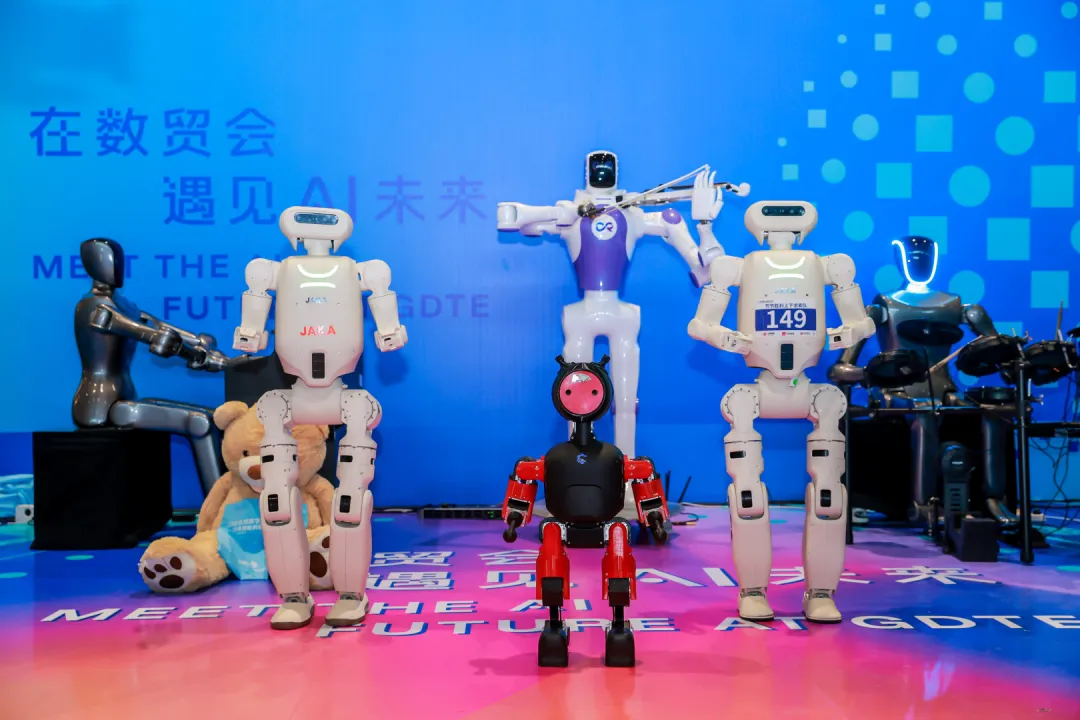
The rental companies’ economics show the change clearly. At the market’s peak in early 2025, a vendor could spend RMB 100,000 on a robot, rent it for RMB 20,000 a day and recoup the purchase price in five days. A new model now costs RMB 30,000–50,000, while daily rent has fallen to RMB 2,000–5,000, extending payback to 10–20 days. The excess margin in the earlier pricing is being squeezed out.
A rental platform has reached a RMB 7 billion valuation in five months, while daily rates have fallen from the tens of thousands to the low thousands of yuan. Investment in the business has run ahead of demand.
03.
Where is the demand?
Two disclosures offer a partial answer to the question of what the embodied-AI industry needs most today.Leju Robotics, a full-size humanoid-robot maker, disclosed in its ChiNext listing prospectus that its Kuafu series generated RMB 79.9041 million from data-collection applications in 2025, or 44.94% of the series’ revenue. Data collection overtook research and education to become the series’ largest revenue source.
UBTECH disclosed that it signed six orders from data-collection centers in the fourth quarter of 2025, worth a combined RMB 829 million. Its humanoid-robot business recognized RMB 821 million in revenue for the full year. Contract value and revenue recognized after delivery are different measures, but the scale of one quarter’s signed orders—comparable to the full year’s recognized revenue—shows how significant data-collection demand has become.
But robots used in data-collection centers are generally purchased outright, not rented.
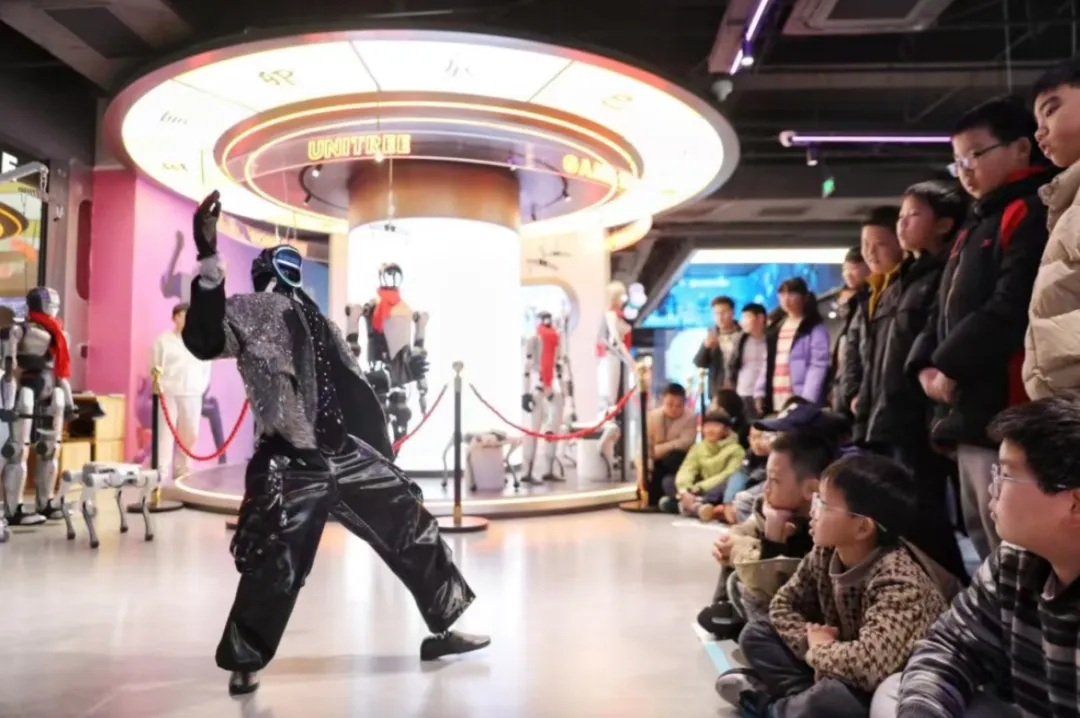
The current rental market is driven mainly by performances and events. Hangzhou’s Wensan Future Technology Experience Center, for example, has 46 devices, including humanoid robots, robot dogs and robotic arms. In the first half of 2026, it hosted nearly 1,000 combined rental and performance sessions. Short-term rentals are priced by the day and are used at trade shows, product launches, store openings and tourism attractions.
Lehua Entertainment’s presence among Qingtianzu’s co-investors is no coincidence: artist agencies are part of the current core market for robot rentals. That market has now been priced and is approaching saturation. This is a major reason daily rates have fallen from around RMB 10,000 to a few thousand yuan.
After its Series A, Qingtianzu said it would use the funding to develop a Robots-as-a-Service system, moving from stage performances toward capacity services billed by the hour or task. The tenants the rental business is really waiting for are factories that rent robots to do work. They have not arrived yet.
04.
Everyone is waiting for the tenants
Musk’s choice is not difficult to unpack. Robot capabilities improve quickly, so a machine purchased today can soon become a depreciating asset. Leasing leaves that depreciation risk with the manufacturer. With an initial unit cost of about $30,000, selling the robot would require an even higher price. Buying would be a one-time capital expenditure; leasing turns the cost into a monthly or hourly operating expense. Customers may find a service contract easier to approve than a major equipment purchase.There is another potential benefit: every hour a robot works can generate operational data that feeds back into model improvement. A leased robot can be both a revenue-producing unit and a source of training data, keeping the data loop with the manufacturer.
Agility Robotics in the United States has also promoted usage-based pricing for years. Its humanoid robot Digit has accumulated 65,000 hours of real-world operation, with customers including GXO, Schaeffler and Toyota Canada. On November 5, Agility listed on Nasdaq under the ticker AGLT, becoming the first U.S. publicly traded company focused purely on humanoid robots. Its central investment story is robots that can do useful work. By choosing leasing, Tesla is moving toward a business model already tested elsewhere in the industry.
When external deliveries of Optimus begin around the end of 2027, Tesla’s lease-first approach will face its first real test. China’s rental platforms face the same deadline: a little over a year may be enough to stabilize prices at a new level and, they hope, attract customers beyond the entertainment market.