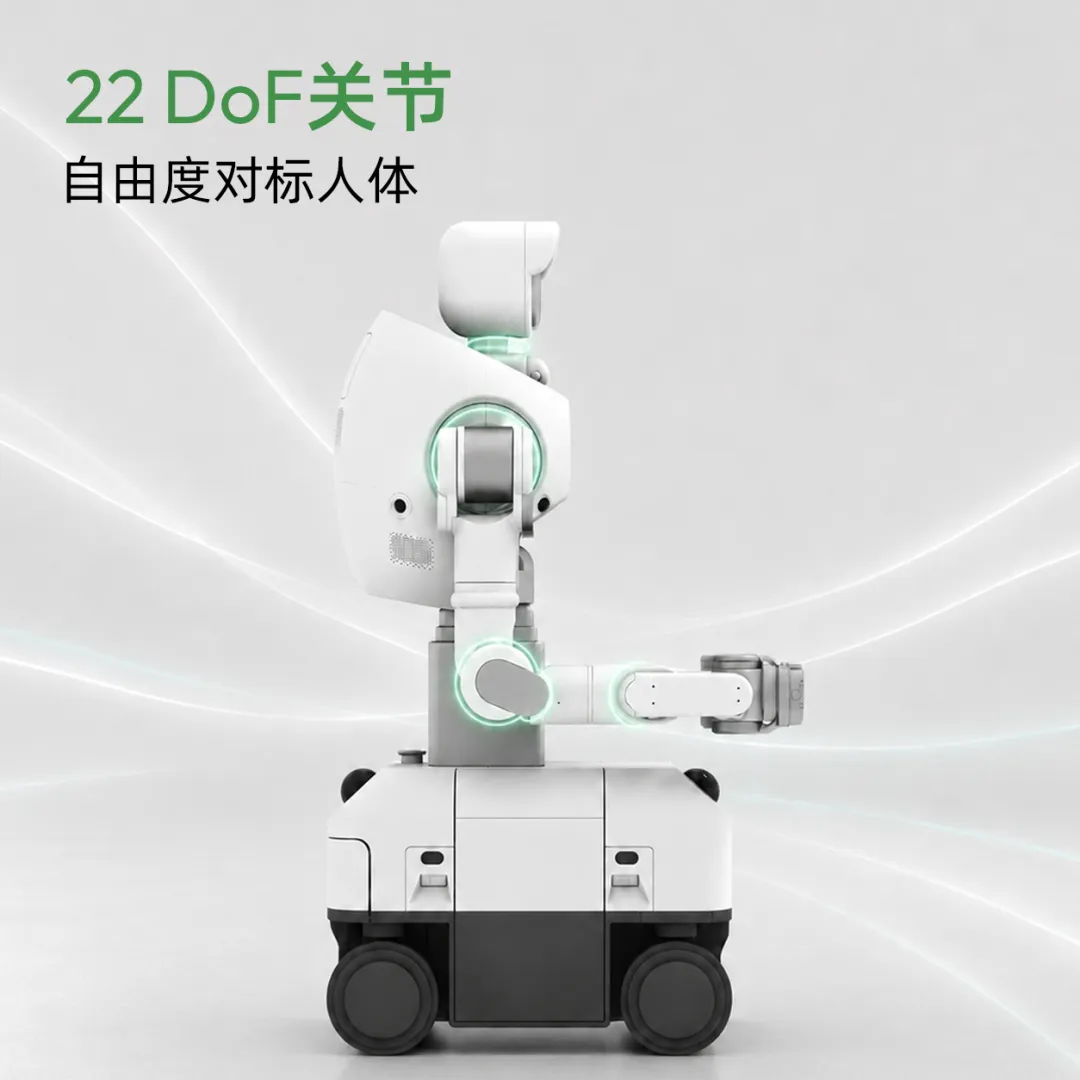
Getting a robot to work reliably has traditionally required a great deal of specialist knowledge. Engineers need to understand motors and motion control; otherwise, the machine is just a metal body that cannot move. They need to develop manipulation models, or the robot may move without purpose, and they often need expertise in perception and motion planning to keep it from colliding with objects or grasping at random.
A team of a dozen or more engineers may spend a great deal of time tuning a robot and still get only a system that “mostly works.” Such systems often depend on many carefully controlled conditions, and changing the environment can mean starting over.
RoboScience argues that robots should adapt to people, rather than forcing people to adapt to robots.
With that goal, the company has released Visics-Agent. RoboScience says the robot assistant can understand spoken commands, remember users’ habits and learn tasks that users teach it.
Visics-Agent:
Understands instructions, learns and acts
Whether the task is tidying a messy desk or sorting different objects, users can tell Visics-Agent what they want done and leave it to work out how to do it.
The development team has broader ambitions for the system.
For example, it should understand spoken instructions and respond to voice commands as naturally as a person following a colleague’s directions.
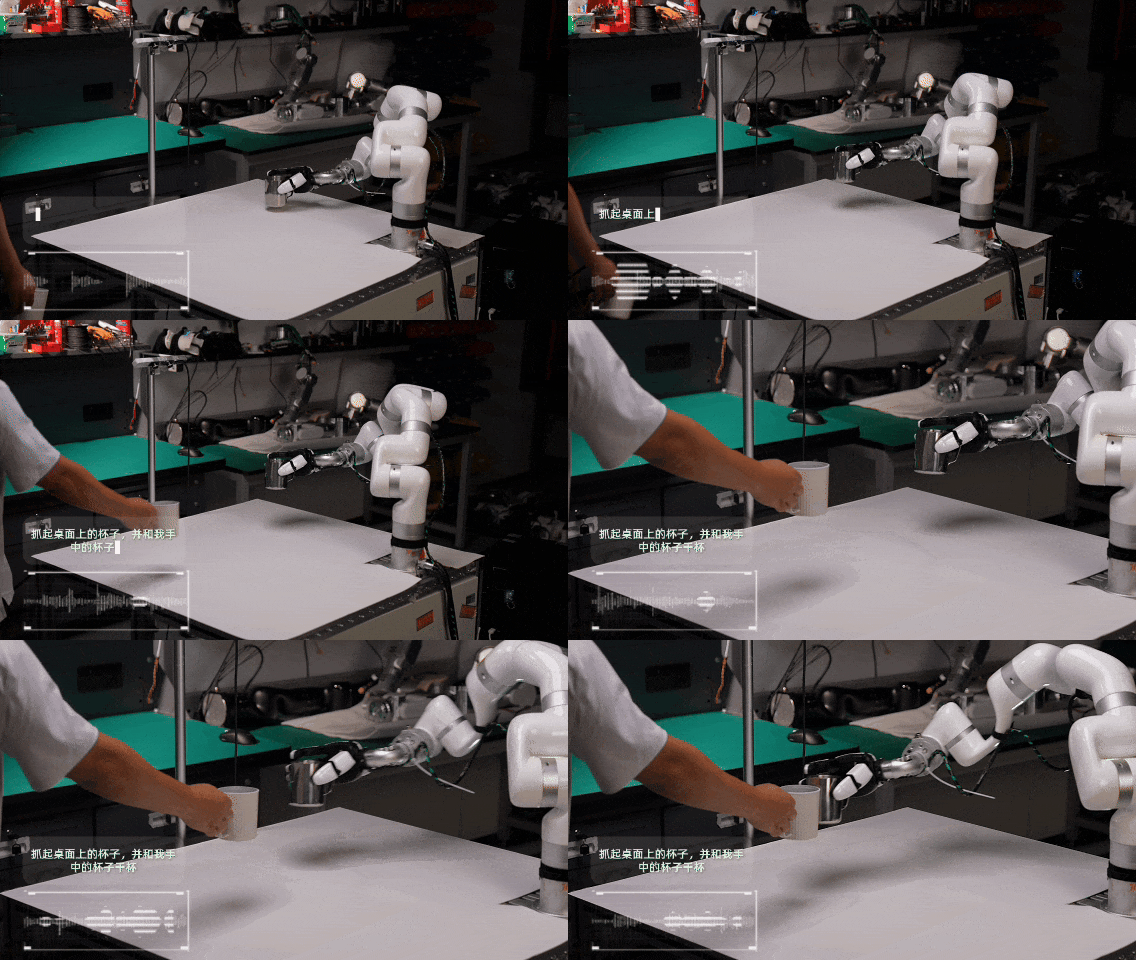
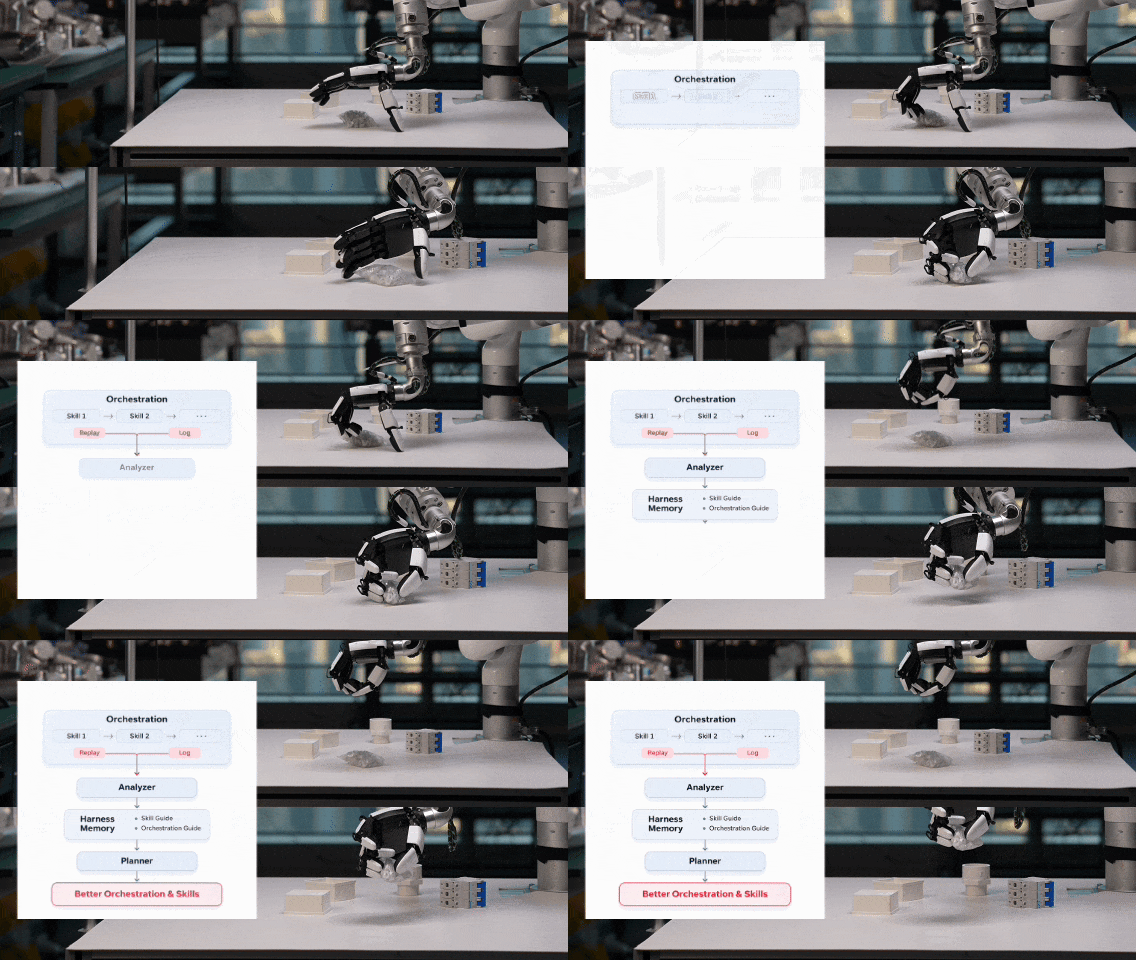
When it makes a mistake, it should learn from the experience rather than retry endlessly, so it can do better next time.
It should adapt to people’s pace. Users should not have to move carefully around the robot or avoid interrupting it.
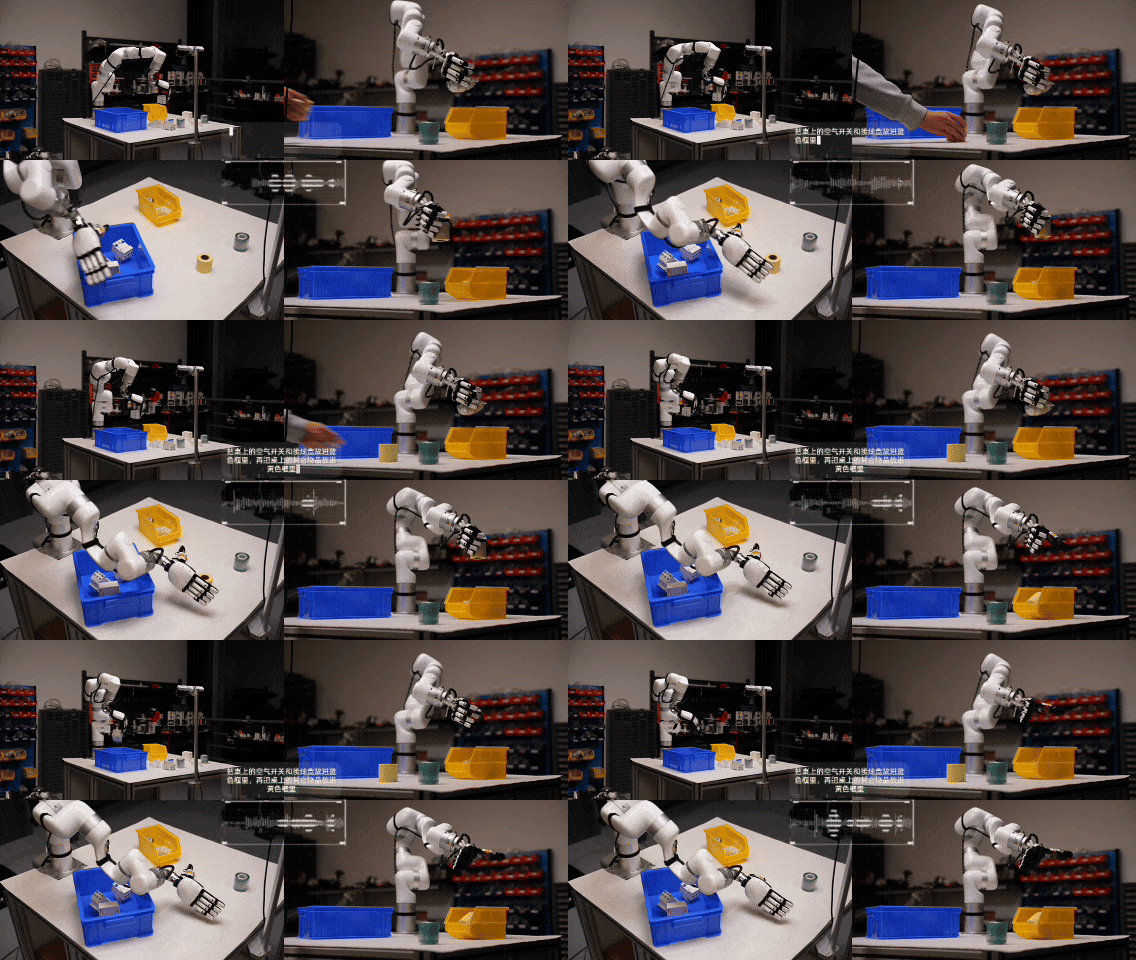
It should also understand and carry out complex instructions.
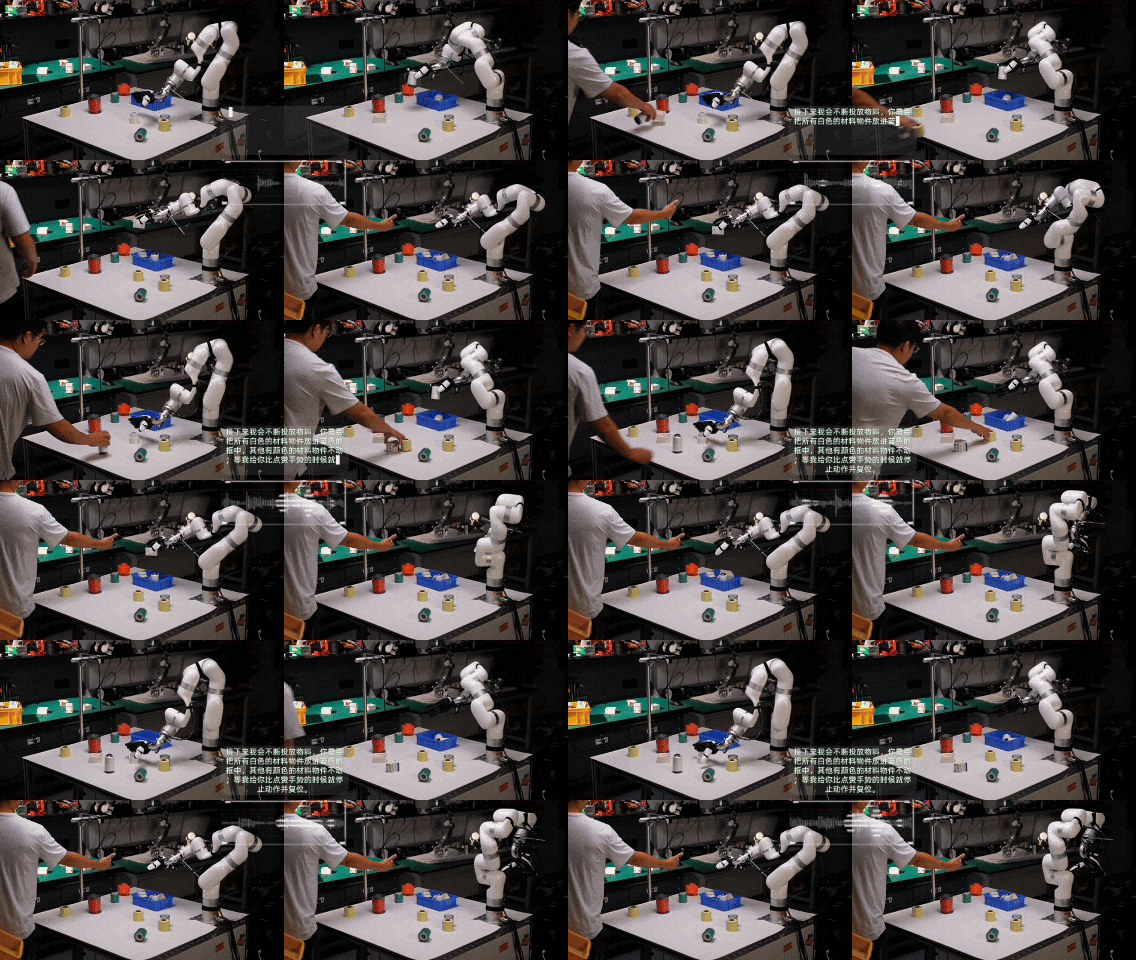
People have different habits and ways of working, so the robot should be able to remember a user’s preferences.
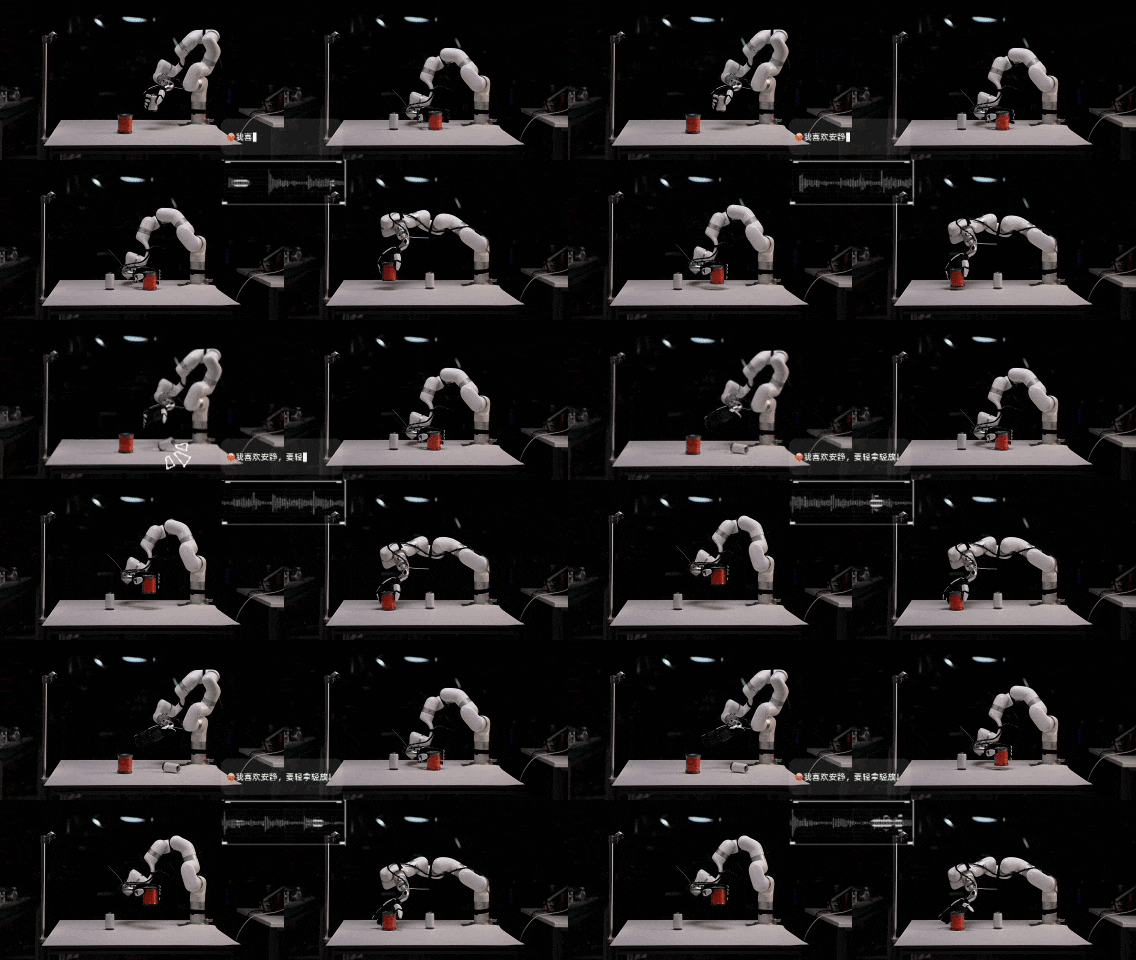
Users may also be able to teach it new skills, whether or not those skills are reliable.
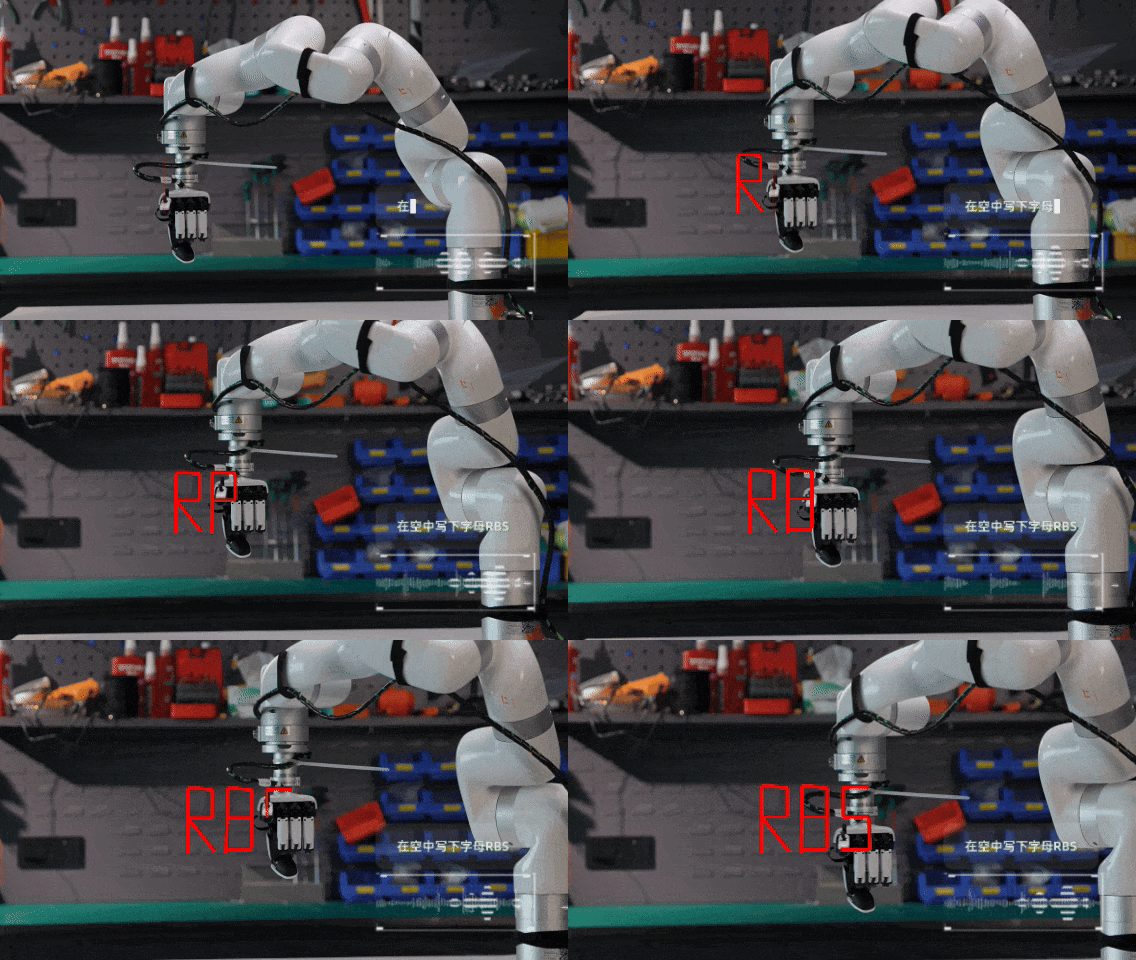
RoboScience wants Visics-Agent to be an assistant that can learn new skills, act on its own and build experience through repeated tasks.
That is the goal behind Visics-Agent.
RoboScience offers Visics-Agent as a cloud-based embodied-AI service, or EaaS, for robot developers.
The company says developers can connect their robot or dexterous hand to its API through Tencent Cloud. They do not need to collect training data, write code or fine-tune a model. Users give an instruction and the system attempts the task autonomously.
Teach Anything:
Teach it once; it remembers
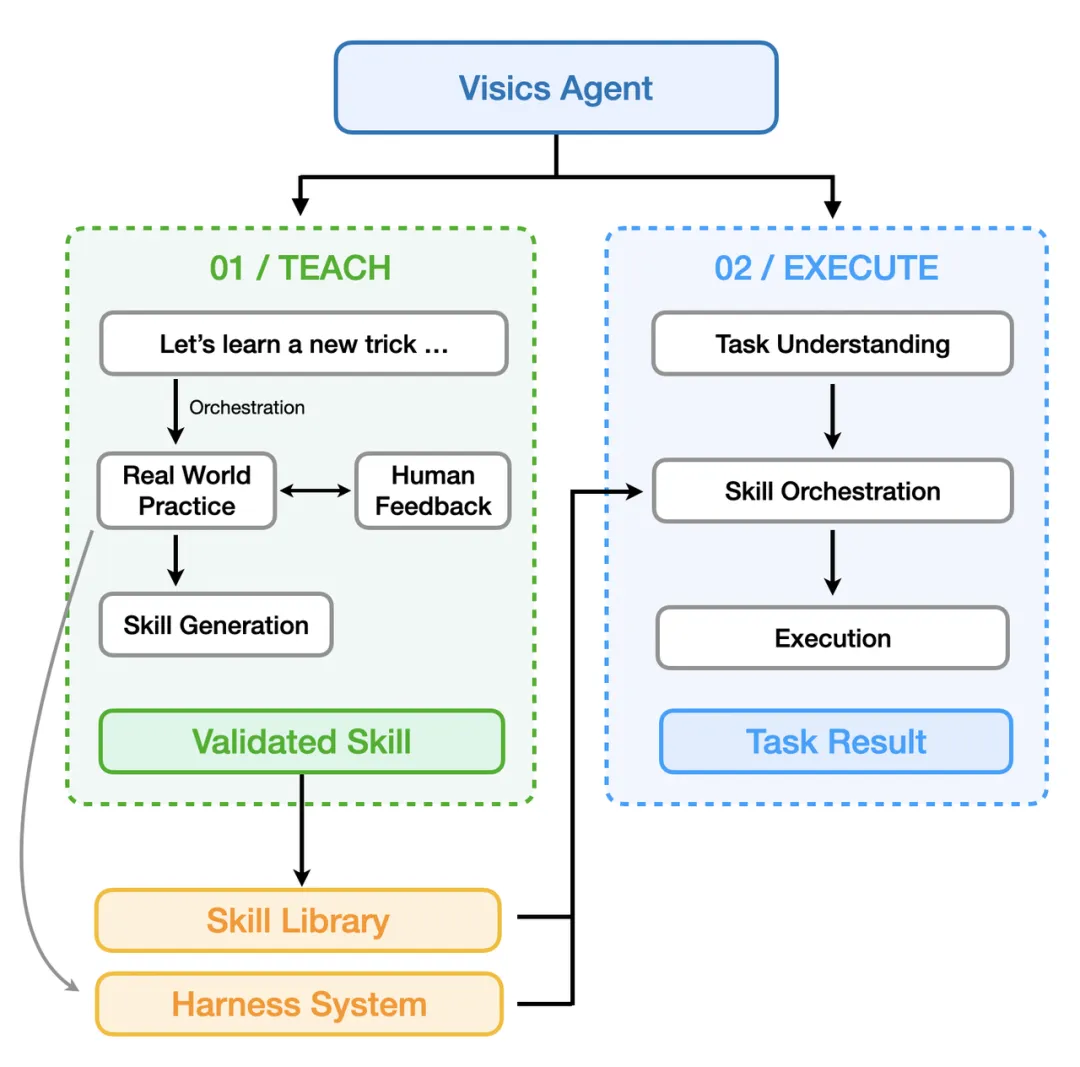
RoboScience divides Visics-Agent’s workflow into two stages: Teach and Execute.
During teaching, users can explain what to do in natural language, much as they would teach another person. If the first attempt is not right, they can correct the robot until it produces the desired result.
The user then only needs to say: “Remember this for next time.”
Visics-Agent can turn the successful attempt into a reusable skill and add it to its skill library. When a similar task comes up, the robot can call on that skill. In a new setting, it can also combine skills to handle a more complex task.
Harness Anything:
More use, better performance
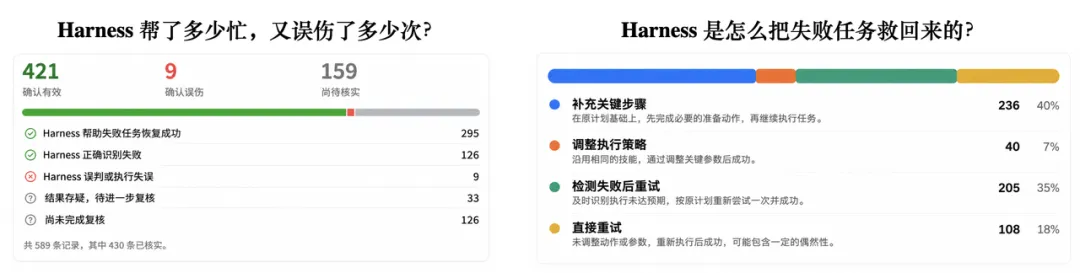
RoboScience has also developed a Harness system that uses results and feedback from physical robots to accumulate experience and improve existing skills.
Teaching a robot one skill is therefore a starting point for further improvement, not the end of the process.
For example, during a desk-tidying task, clutter and the robot arm blocking the camera made it difficult for the robot to plan its next action. Visics-Agent tried lifting the arm to clear the camera’s view, enabling it to plan the next step successfully.
The system can retain a lesson from that attempt: when the view is heavily occluded and the desk is cluttered, clear the camera’s field of view first. In a similar situation, it can move the arm aside before planning its next action.
In a demo at Tencent’s Global Digital Ecosystem Summit, RoboScience said Visics-Agent accumulated dozens of useful lessons during a month of continuous tests on a physical robot. The company reported that the success rate for a single skill rose above 85% and that Harness improved performance on most tasks.
Real tasks often require more than a single successful grasp.
RoboScience also wants robots to understand complex instructions and reliably complete a sequence of actions, finding a way to recover when something unexpected happens instead of simply stopping. The Harness system is intended to address this challenge.
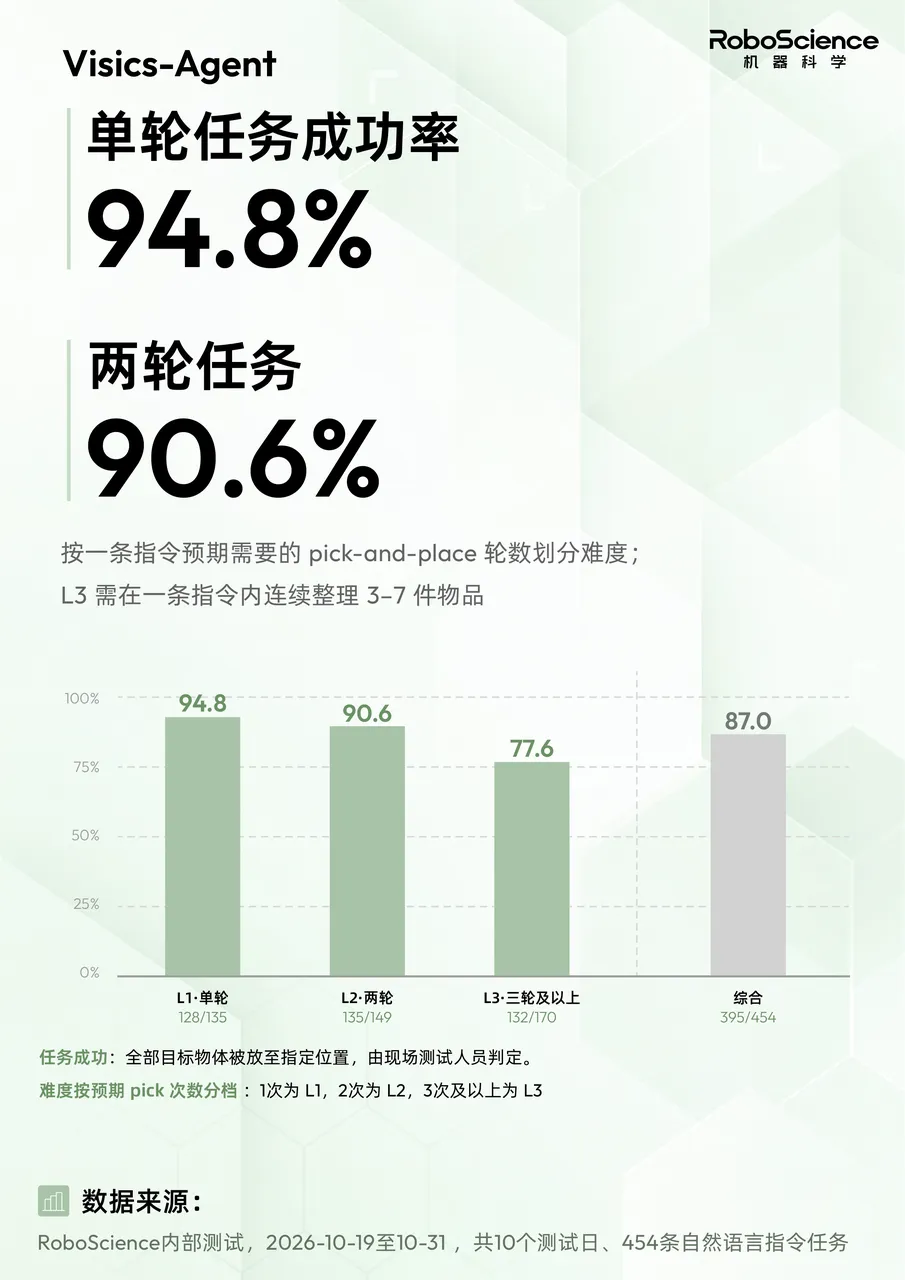
In its tests, the team grouped tasks into three difficulty levels, L1 through L3. L1 and L2 mainly involved one or two pick-and-place actions. L3 tasks required three to seven consecutive actions as well as more complex rules about classification, exclusions, spatial relationships and action order.
One example of an L3 instruction was: “Take the three items at the back, put the two that are not the bundle of tape into the box first. Then place the red cord on the table to the left of the tape.”
In an internal test of 454 task instructions, RoboScience used a strict end-to-end standard: a task counted as successful only if the robot followed the full instruction and completed every action. The company reported success rates above 90% for L1 and L2 tasks and 78% for the more complex L3 sequences.
The main challenge for L3 tasks remains unexpected events in the physical world. Objects may fall off the table or move beyond the robot’s reach, making autonomous recovery difficult. The team is working on gentler handling and risk prediction so that the robot can adjust its grasp and movement before an accident occurs.
Adapt Any-Hand:
Change the hand, keep working
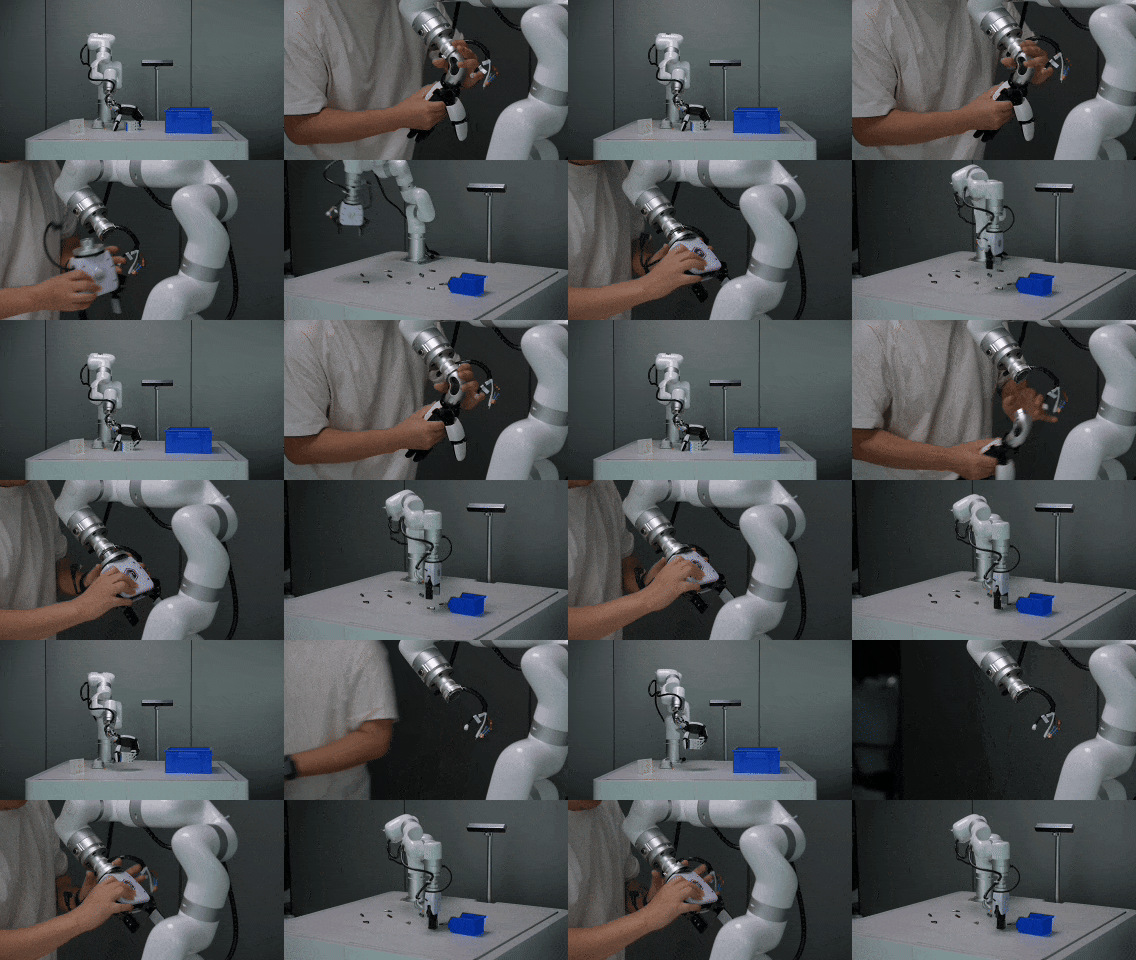
Visics-Agent is powered by RoboScience’s in-house Visics general-purpose manipulation model. The company says the system supports different dexterous hands as well as two- and three-finger grippers, and can switch between end effectors in about 30 seconds.
Visics-Agent is designed for zero-shot transfer across end effectors, so developers do not need to retrain a grasping model for every type of tool. RoboScience says it wants users to connect the system quickly whether they have a gripper or a dexterous hand.
Live demonstrations at the show
During the week of the Tencent Global Digital Ecosystem Summit, RoboScience demonstrated Visics-Agent on a desktop robotic arm, performing everyday tasks such as tidying a desk. The demo drew a crowd of attendees.
The company says Visics-Agent is intended for more than desktop tasks. It is designed to continue working when the environment and task change.
RoboScience says Visics-Agent will move from home and desktop scenarios to industrial settings at an international conference in Shenzhen, where it is expected to demonstrate industrial sorting and continuous machine tending.


Visics-Agent is scheduled to launch in December 2026.
Robot developers, researchers and companies exploring real-world applications will be able to apply to become early users.
The company has opened applications for its first group of trial users.