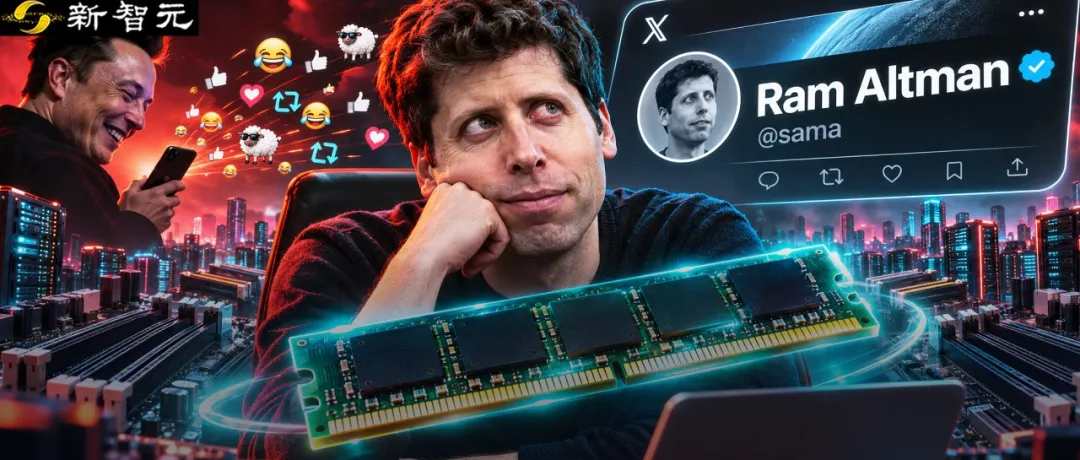
Sam Altman is gone.
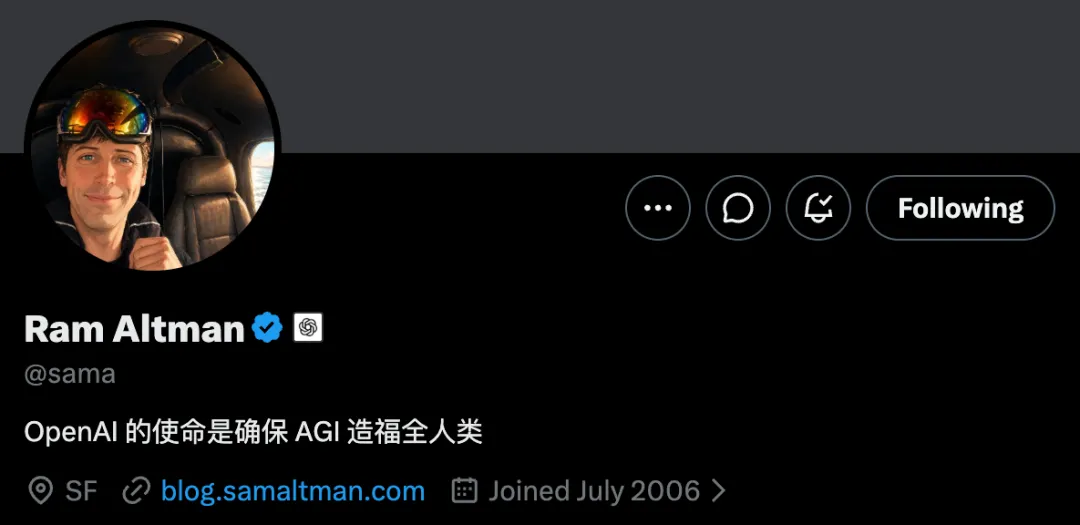
Now on X, there's only one Ram Altman left.
Just recently, OpenAI CEO Ottman changed his name from Sam Altman to Ram Altman.
The account is still @sama, only the S in the name, replaced with the R in the memory bar.
The cause of the blaze came from an outcry from the Ottomans a few days ago.
The memory in the personal computer, only 5% of the time it is active, is too bad.
In just six days, the phrase was fermented into a global polarizing mass rally.
Musk himself took the stage, and the netizens lined up to shout "Don't touch my memory", and in the end, even Ottman himself couldn't cope and actively entered the scene.
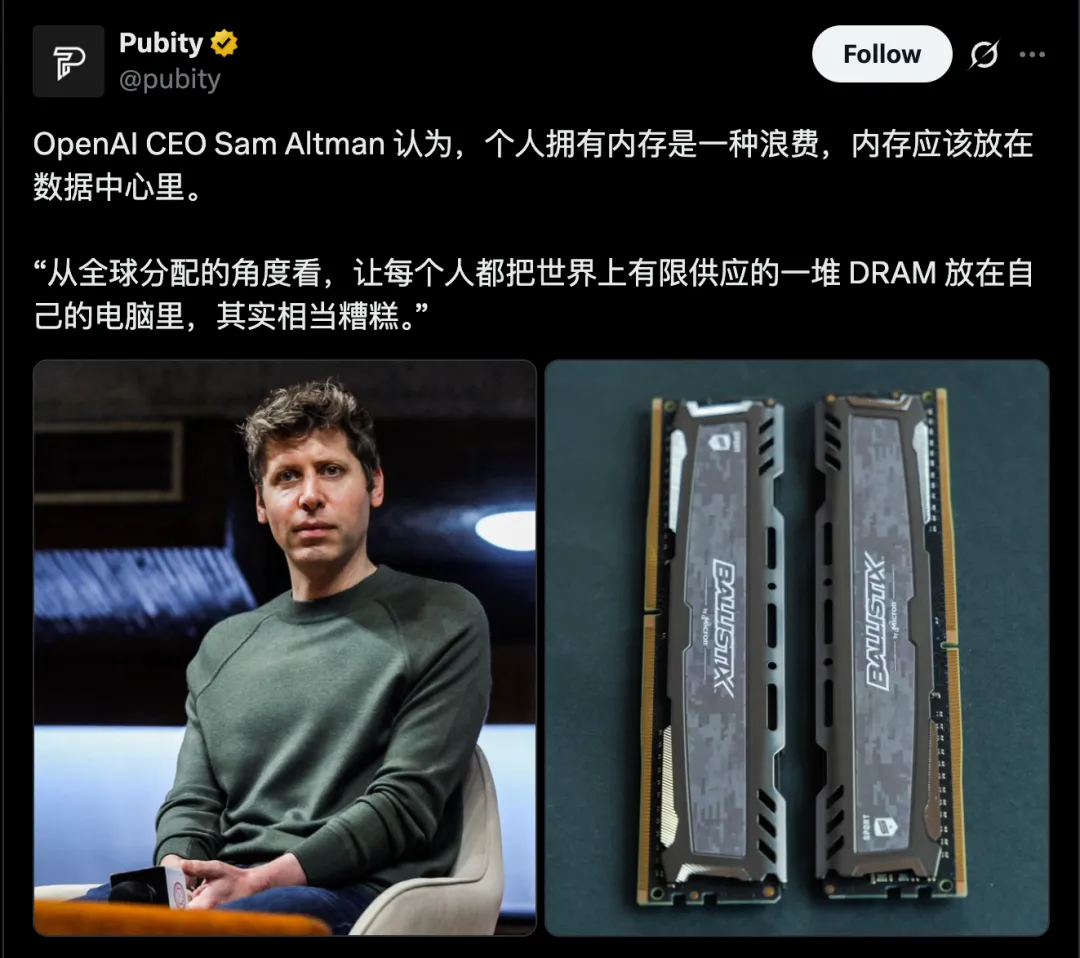 The phrase "5% utilization rate" catches the attention of global polar bears.
It will start on October 29th.
On that day, Otman hosted Stripe co-founder John Collison's podcast, Cheeky Pint, while drinking beer and chatting until about the 29th minute, when the topic shifted to "local reasoning".
Many people feel that as the open source model becomes stronger, AI can run at home, and data centers are naturally less important.
Othman didn't see it that way, and he threw out the words that exploded across the net:
"From a global distribution point of view, it's pretty bad for everyone to have a bunch of the world's finite amount of DRAM in their computers, and only 5% of the time it's being used. In such a tight supply environment, you'd expect the cloud to be profitable".
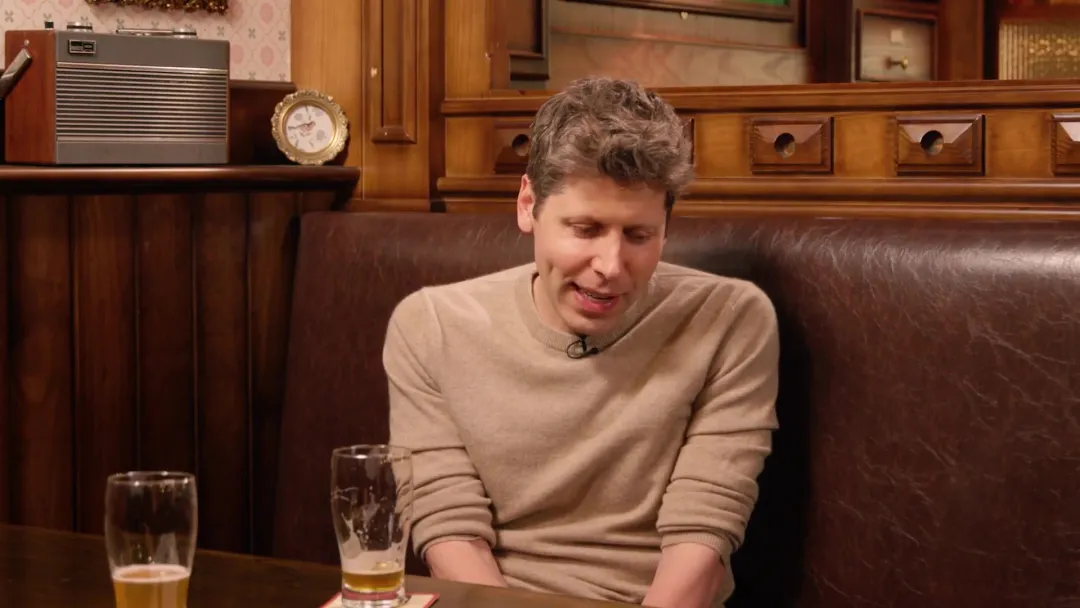
What he wanted to express was the memory bar of the personal computer, which sleeps most of the day; the same memory stored in a data center, which can be used in turn by thousands of people, almost without interruption.
Sounds like it's okay. But the problem is, when I say that, I'm really too busy.
A 32GB DDR5 memory set, which was just over $70 a year ago, had jumped to nearly $450 by the end of October; the 64GB high-speed set was more exaggerated, saving 485% a year, directly surpassing $1,100.
Other people's memory is so expensive that they can't afford it, robbing one of the biggest producers of productivity, and running out saying that your memory is "putting waste".
So a full-scale siege began.
Musk led the pack, and netizens collectively "keep the memory".The first to rush in was his old opponent, Musk.
He posted: "People should have their own RAM too!" but nobody knows who is talking. Seeing someone yell at Ottman, he specifically responded: "Seriously".
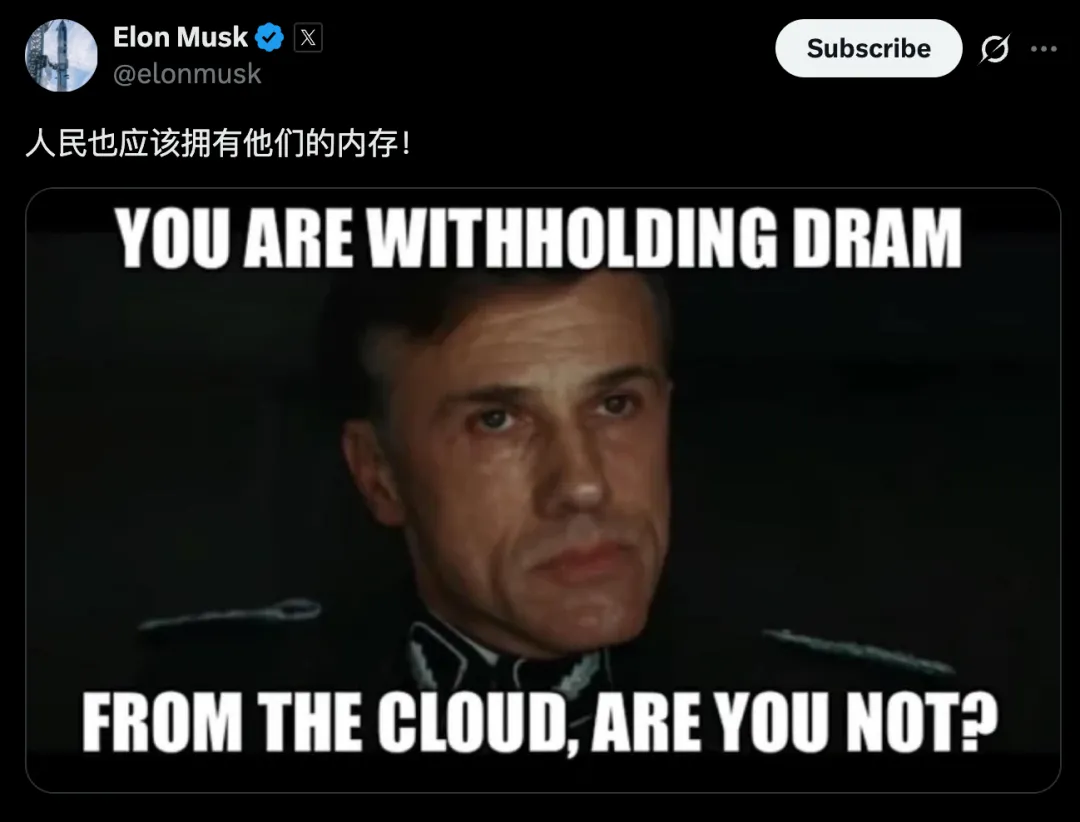
There's a lot of speculation, and the commentary is completely out of control: someone puts out a "Sam Altman Foundation" calling for people to "donate" memory cards to Ottman;
Some people have labeled Halloween candy as a memory bar.
Others read the same line at the bottom of every tweet by Ottman: "So you want my memory for Mommy?"
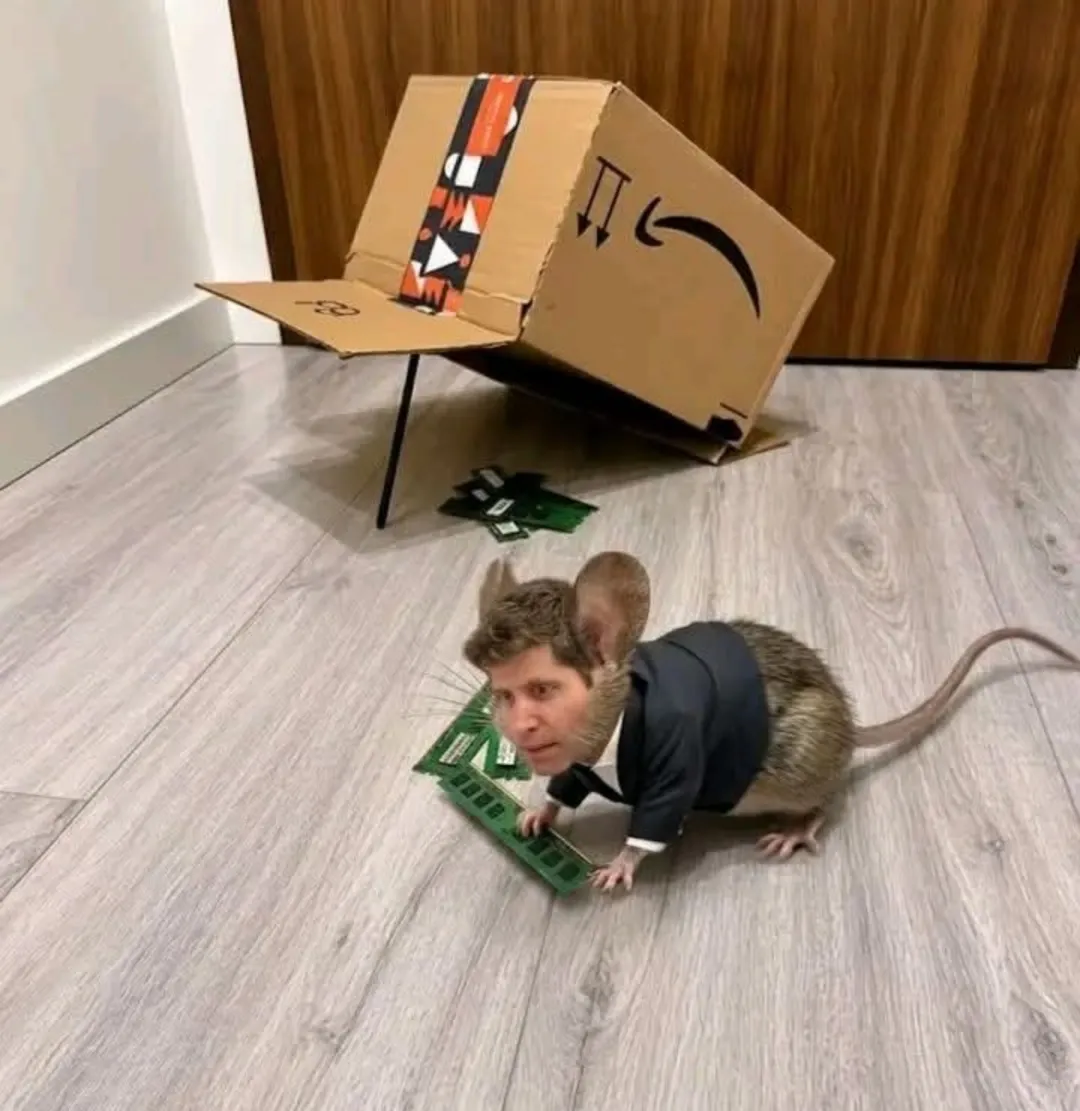 | 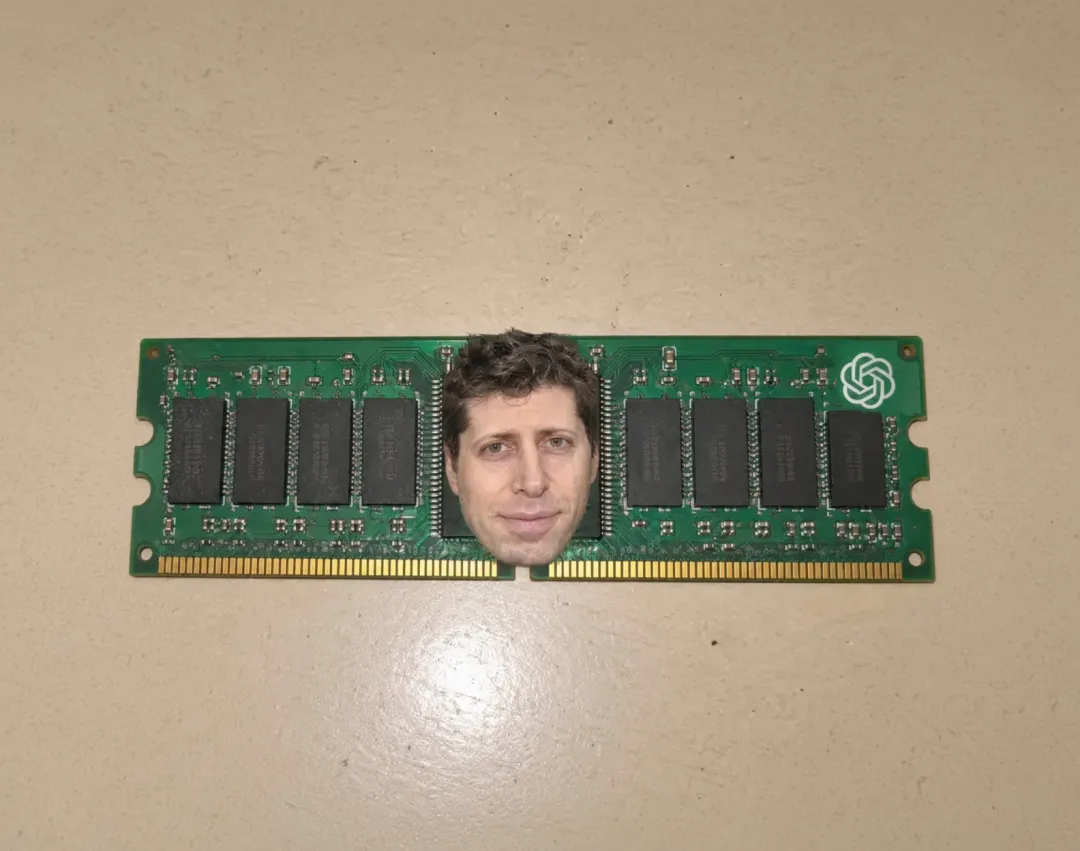 |
The Chinese circle was also unstable, and headlines such as "Memory Man" and "You better give me a memory bar" were quickly displayed.
Even Ottman's post talks about it, emphasizing that humanity must always be in control of superintelligence and not leave the future in the hands of AI.
You're saying that people are in control of the future so they can give me back my memory?
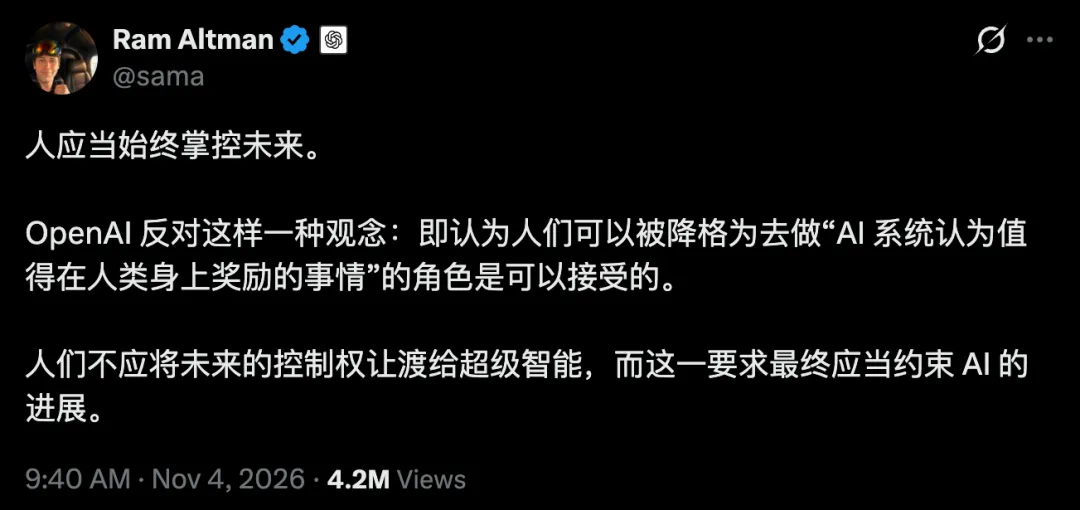
In this role, the normal public relations script is dead-end, but Ottman doesn't like it.
48 hours of God's reversalNamed after Ram Altman himself.On November 3, Ottman tweeted softly: "I want you to have more memory, let's build more".
As a result, the community's notes immediately followed, and he put the phrase "quite bad" on the original podcast without moving.
The turning point came for a netizen named @jestermolecule who half jokingly shouted, "Can you change X to Ram Altman?"
Ottman replied "laugh dead" and then again, "go ahead".
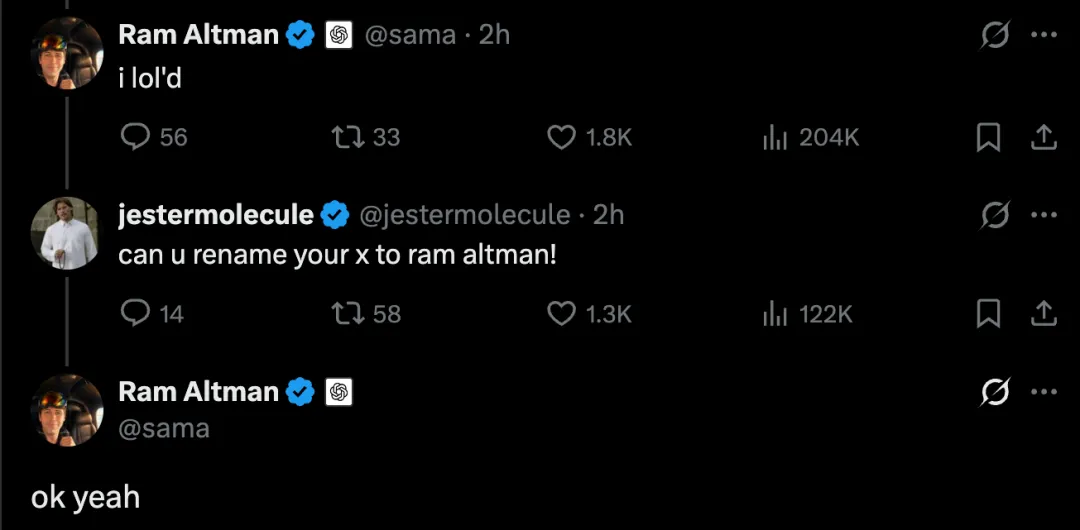
When he finished, he sent out a clarification, the tone clearly with fire:
He really wanted the world to have an endless amount of useful memory, how much people wanted to stuff into computers; he was disqualified for being "truly annoying"; and he called for global memory expansion, which he had long cried out for.
This change has turned the tide of speculation into a momentary twist.
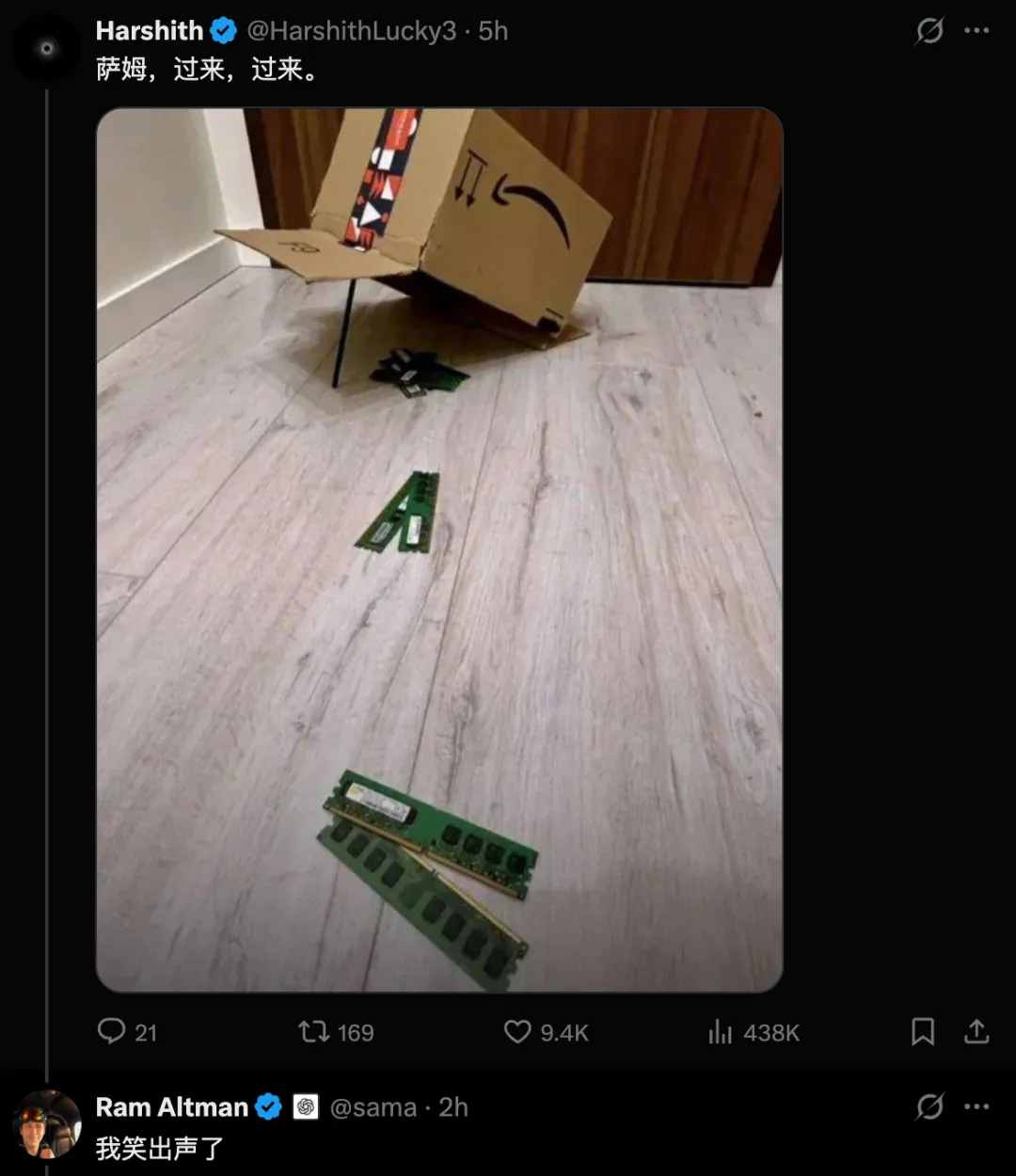
After laughing, a question arose: is Ottman innocent?
What he's really talking about is a memory factory.If you look back for a few minutes, you'll find that the whole logic of the sentence is more complicated than "taking away your memory".
The real object of Ottman's vomit is the memory vendor.
According to him, over the past few decades, DRAM manufacturers have been trapped in a rollercoaster where "they've spent $20 billion building factories and only got back $19 billion", with survivors on the brink of bankruptcy.
He estimates that these manufacturers will soon be able to generate hundreds of billions of dollars in free cash flow per year, but they are still afraid to open their arms and legs to expansion.
This is what he said: "The invisible hand is missing": demand is clearly there and supply is out of order.
On this premise, he came to the conclusion that "cloud usage rates are higher".
The logic itself holds up. A model is loaded into memory, with the same amount of memory as it takes up, whether it answers ten questions per minute or is stunned; cloud providers can allocate this fixed cost to massive requests, which a personal computer cannot do.
However, the dissatisfaction of netizens is not unreasonable.
On the one hand, "5 percent" is a figure that Ottman himself estimated, and he didn't give it away; on the other hand, data centers running a closed-source model are the main business of OpenAI.
As one of the world's largest memory buyers argues that "memory is better in the cloud", it sounds like a player and a referee.
More importantly, ordinary people are so sensitive to this phrase, and it is not an accident.
Forty percent of memory is locked up by AI, and ordinary people pay high pricesIn Seoul, Ottman signed a letter of intent with Samsung, SK Helix, to lock in the memory supply for the Stargate: the demand for OpenAI is up to 900,000 DRAM waves per month.
According to industry measurements, this represents about 40% of the world's total DRAM production, while both Samsung and SK Helix hold about 70% of the global DRAM market.
A year later, the consequences have become clear to everyone in the shopping cart:
General Morgan estimates that from the beginning of 2024 to the end of 2026, the cumulative increase in DRAM prices will exceed 400%.
Gartner expects average PC sales to increase by 17% this year, from 16% to 23%, and even Apple has just described this round of memory hikes as "unprecedented".
In such a context, any words that sound like "Your memory I came to use for you" would be magnified as an insult.
Ram Altman's name may be changed in a few days.
There is no gap in global memory that can be easily overturned.