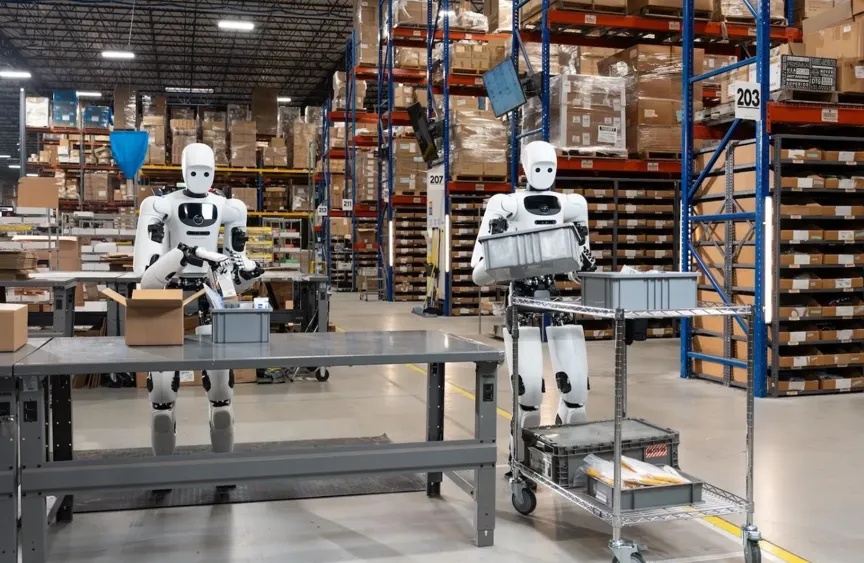
“ It's built right up.
The domestic robot data collection industry is entering a phase that no one is willing to publicly acknowledge.
It's not withdrawal, it's not stopping.
From the spring of 2025 to the spring of 2026, the National Center for Intellectual Property (CIPR) has grown from a cold start to more than seven start-ups per month, with construction peaking in the first quarter of 2026. According to incomplete statistics, as of August 2026, a total of 106 publicly disclosed CIPR centers, 84 of which have been put into operation, accounting for nearly 80 percent.
In digital terms, the build-up has been completed. But between the two words and the turnaround, there is still no one to figure out. After being exposed by the media in September, many places are hesitating, this pattern should not continue.
01.
It's hard to get data out.
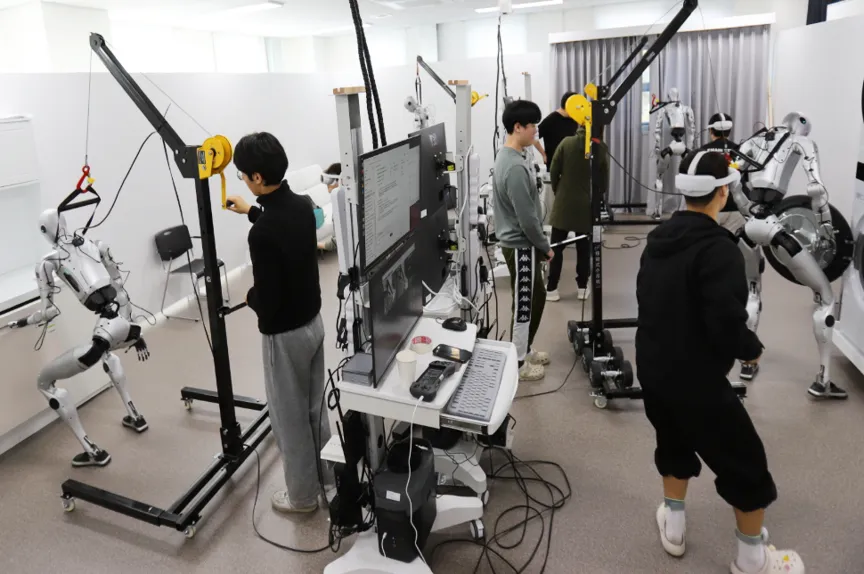
Roughly statistically, only 67 of the 106 mining plants can confirm that there are actual data collection activities, 23 are primarily trained, tested or verified, and 27 are still in the planning or construction phase.
In other words, labeling and producing valid data are two completely different states, and industry statistics have long mixed the two together.
Even in a truly functioning centre, the nature of the output is different.
In 2026, the bulk of the production will take place in factories, at a cost of 600,000 to 700,000 yuan, with a skilled remote controller working eight hours a day and producing only two to three hours of effective training data, with the rest being replacement, marking, air rotation and low-quality trajectories.
In addition to location, depreciation, computing power, and storage, real machine data costs hundreds to thousands of yuan per hour.
The problem is not that the single price is high and low, but that the buyer pays according to the valid data, and the seller puts in the hour of presence, the difference of five to six hours in the middle, which neither side is willing to acknowledge.
This is the first stage of hesitation.
Numerical data centers have been built and robots are dead, but the rate of data conversion from input to revenue ends is low, so that operators do not dare to continue stepping on the fuel door or directly stepping on the brakes.
02.
Behind the fragmentation of the format
The reason for the second layer is more mysterious.
Because 106 centers are not the same thing.
We've broken it down by building subject, and think of it as roughly three categories.
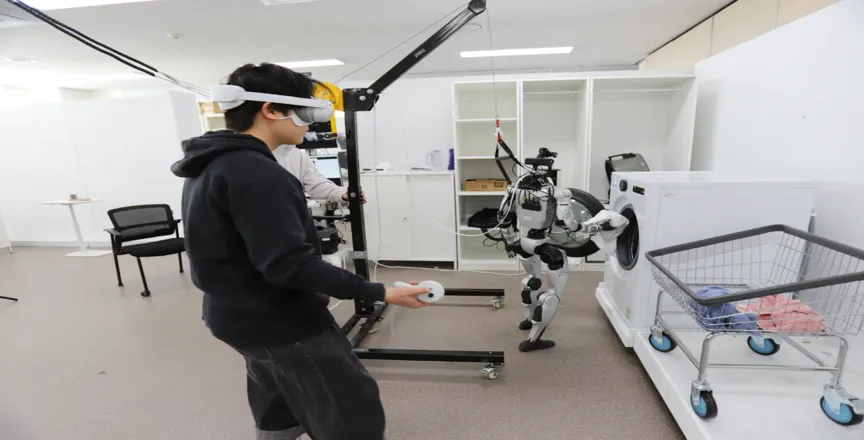
One is the self-building of robotic enterprises or data companies, which directly serve their own models; the second is the training base of universities and higher education institutions, combining teaching and acquisition; and the third, which is also the largest number of government-owned co-building projects, local venues, funds and policies, enterprise out robots, technology and operational teams.
The extent to which the three types of subjects are now hesitant is quite different.
The self-building base has a model training base, data is extracted and digested internally, and the cost is modeling capacity improvement, not data sales revenue.
The high school base has a low tuition and training budget, and the data is a by-product.
The biggest pressure is on the state-owned enterprise co-building model, because the local needs industrial landing points, the enterprises need equipment, and the two sides are highly consistent during the construction period; but into the operational period, the data is sold to whom, at what price, and who continues to pay, these three questions are still unanswered today.
This is not to avoid a question that has been repeatedly raised, but has been often distorted by the media for some time before: the relationship between data factories and smart enterprises.
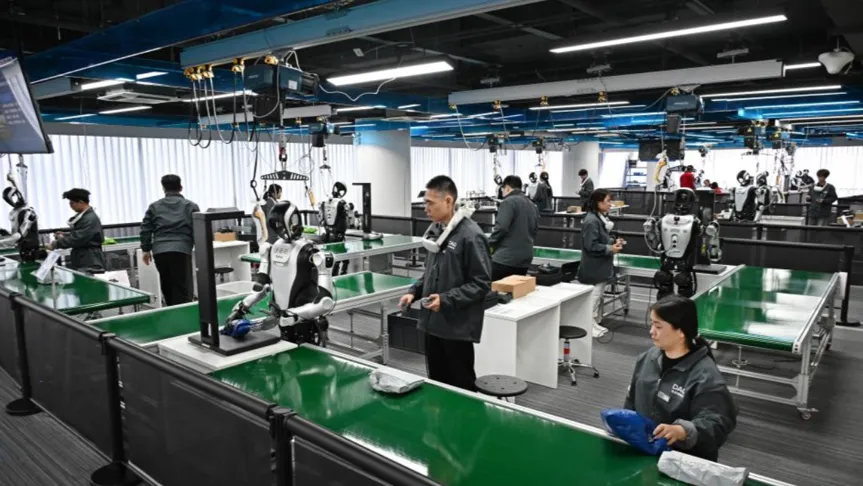
There have been previous media reports that a number of robots in the sourcing centers have been linked to the ownership, team, or local projects of related companies, operators, and suppliers; after the data is extracted, they may return to the same system in the name of data sourcing model services.
So it is easy for the outside world to qualify this as a left-handed selling device, right-handed buying of data, self-locking. It once affected the IPO process of some of the leading companies.
This is too early to judge. Buying the equipment itself is not worth it.
If you want to build a data center, you have to buy a robot; if you want to build a data center, you have to buy a product; if you want to build a data center, you have to supply it, deploy it, operate it, upgrade it, that's normal industry division.
It is not possible to stigmatize the purchase of equipment because of the relationship between the two parties.
It is a rational engineering choice in itself to buy human robots at a single price, be highly customizable, rely heavily on after-sales, open-source data sets to bind them, and to purchase them from familiar, local native enterprises, or even to tie them to technical routes during construction.
Equipment is a real asset, robots are really running in the data centers, joints are really turning, and these costs can't be saved.
What really needs to be taken into consideration is not whether there is a related transaction, but what is sold in the related transaction, at what price, and who pays in the end.
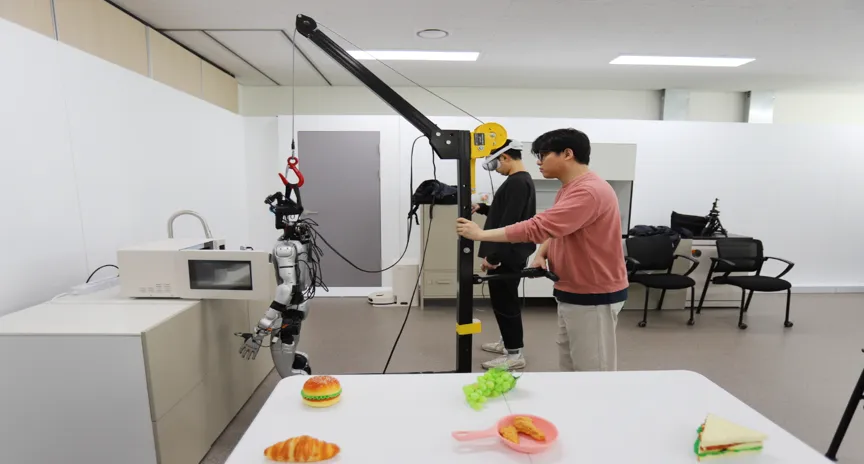
Equipment purchases account for current revenues and data purchases should correspond to the long-term value of the data.
If it is a one-time capital expenditure to buy equipment from a data acquisition center and data acquisition is a continuous operating investment, the accounts should be split into at least two.
One is the equipment ledger, calculated by asset depreciation, utilization rate, and maintenance costs; the other is the data ledger, calculated by the effective data hours, the intrinsic replacement value, and the price that external buyers are willing to pay.
When the two books are mixed together, it is easy to create a fake business closure that looks beautiful and actually hangs in the air.
Equipment sales confirm revenue, data acquisitions confirm flow of water, local projects confirm investment, but ultimately there is always no external demand for data payments.
The risk of associated transactions is not in the transaction itself, but in the name of data procurement, transferring the cost of equipment sales to local budgets or subsidies, where the data has not been checked by external pricing.
Buying equipment is an industrial activity and buying data is a business model. Equipment can be built on a construction budget, and data can only be generated on failures, replacements, and long-term minute by minute in real-life situations.
Buying equipment is not easy, but buying equipment can't replace buying data, because selling equipment out doesn't mean that the data is verified, and robots don't mean that they can get up to speed instantly.
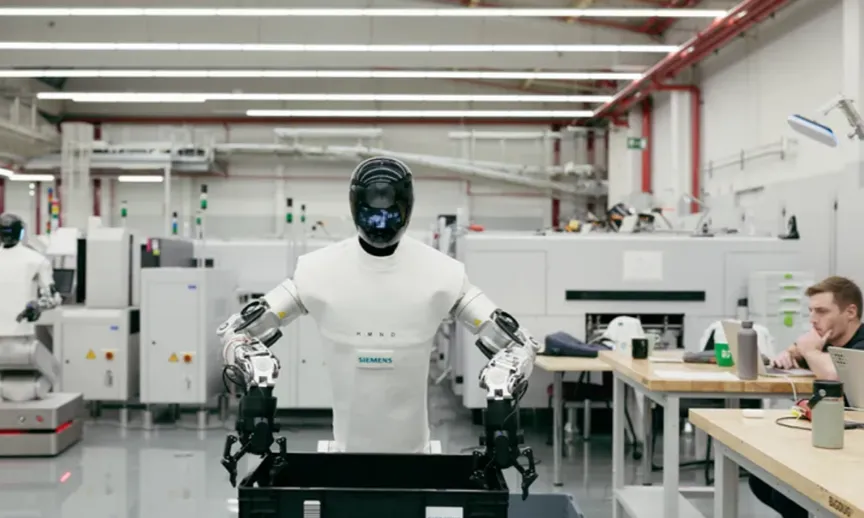
So the more accurate question-and-answer approach to affiliate transactions is not that it shouldn't be related, but three questions: are the price of equipment comparable to the price of the same product? are data purchases based on valid data rather than on an hourly basis?
If these three questions are not answered, associative transactions will slip from industrial synchronization to internal cycles; if they are answered, associative transactions are the most realistic cold start method of early computing centers.
Because the physical intelligence industry is similar to the AI industry, equipment is an asset, data is a capability.
03.
Cross-substantial reuse: second uncalculated account
The value of data centers, in fact, requires the structural cost of computing cross-border data replication.
The total number of robots deployed across the country is more than 5,000, but 65.96% of the centers use a single brand and the data formats between different robots are incompatible.
This means that the data collected by each data center is largely useful to only one body. The body can produce rapid quantities, but the universality of the data is far behind the body's energy curve.
This also explains why the industry is moving from centralized remote control to two alternate paths.
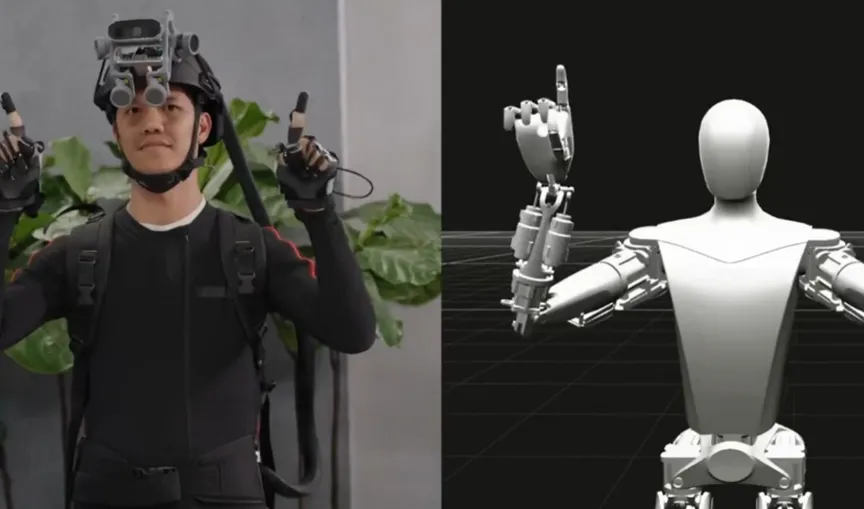
The first line of lightweight human perspective gathering enables first-line workers to wear equipment in real work, with marginal costs far lower than deploying robots; the second line of real-world deployment places robots in hotels, workshops, warehouses, failures and replacements on the production line, rather than regulating the trajectory in constantly humid samples.
The former reduces on-site costs, while the latter increases the actual density of data.
04.
It's another thing to buy overseas.
According to a study by the Robotics Workshop, China's real machine data isn't sold out, it's less expensive overseas.
Domestic real machine data prices range from 500 yuan to 1,000 yuan per hour, while overseas similar data is over $600 per hour, a gap close to 10 times greater. Overseas companies tend to buy data directly rather than self-build centers, and some overseas AI companies are already buying Chinese human robot training data.
This shows that the data on the supply side is valuable in itself, and the problem arises in the domestic demand structure.
Many of the leading corporations have built up their own collection systems, small and medium-sized enterprises lack the budget for long-term procurement data, and the hourly pricing pattern allows buyers to pay a lot of attention to the long-term data consumption capability.
Overseas data is still being built, in addition to the recently introduced data agency policy to prevent data from going offshore, and because they are another bill.
For example, data factories in South Korea are in the form of a consortium attached to a national AI framework that actually supports industries such as storage, Apptronik's Robot Park in the United States has Google's foundation model requirements, and data facilities in Italy and Japan have industrial public landscapes.
They buy the timing and national capabilities of the data, not the current sales revenue.
The pace of construction of the first round of data collection centers in the country, using the speed of industrial parks; but the pace of operation, faced by the slow variation of model training.

05.
The next step in a period of hesitation: segregation rather than collective retirement
106 number centers will not disappear at the same time.
A self-contained base with model training needs will continue to operate, the data will be digested internally, and the accounting will be based on model capabilities. With a stable terminal scenario and third-party centers for orders, the data will shift from selling data hours to verifiable operational capabilities for delivery, data being an ancillary of the delivery.
Relying on one-time construction funding, without a continuous data buyer's center, will enter a de facto stagnation in the ongoing cost of operations, the delay in revenue, and the stagnation in de facto stagnation.
This is the second layer of hesitation: not knowing whether or not to continue, but knowing that the way forward must be changed, but that no one is willing to pay the price of changing the way forward.
Data will not disappear. It will disappear, data that is extracted from the sample, that has no real failures, no cross-substantial value, and no one really pays for it.
It took only a year and a half to build 106 data centers, but the time it took to get data out of the data centers and into the hands of people willing to continue paying was not calculated by construction cycles.
This is the exact time when the number of collecting centers overseas are cutting the colors.
There is only one question that needs to be answered by these reluctant data centers in the country: who else is willing to price the data you collect, besides yourself?