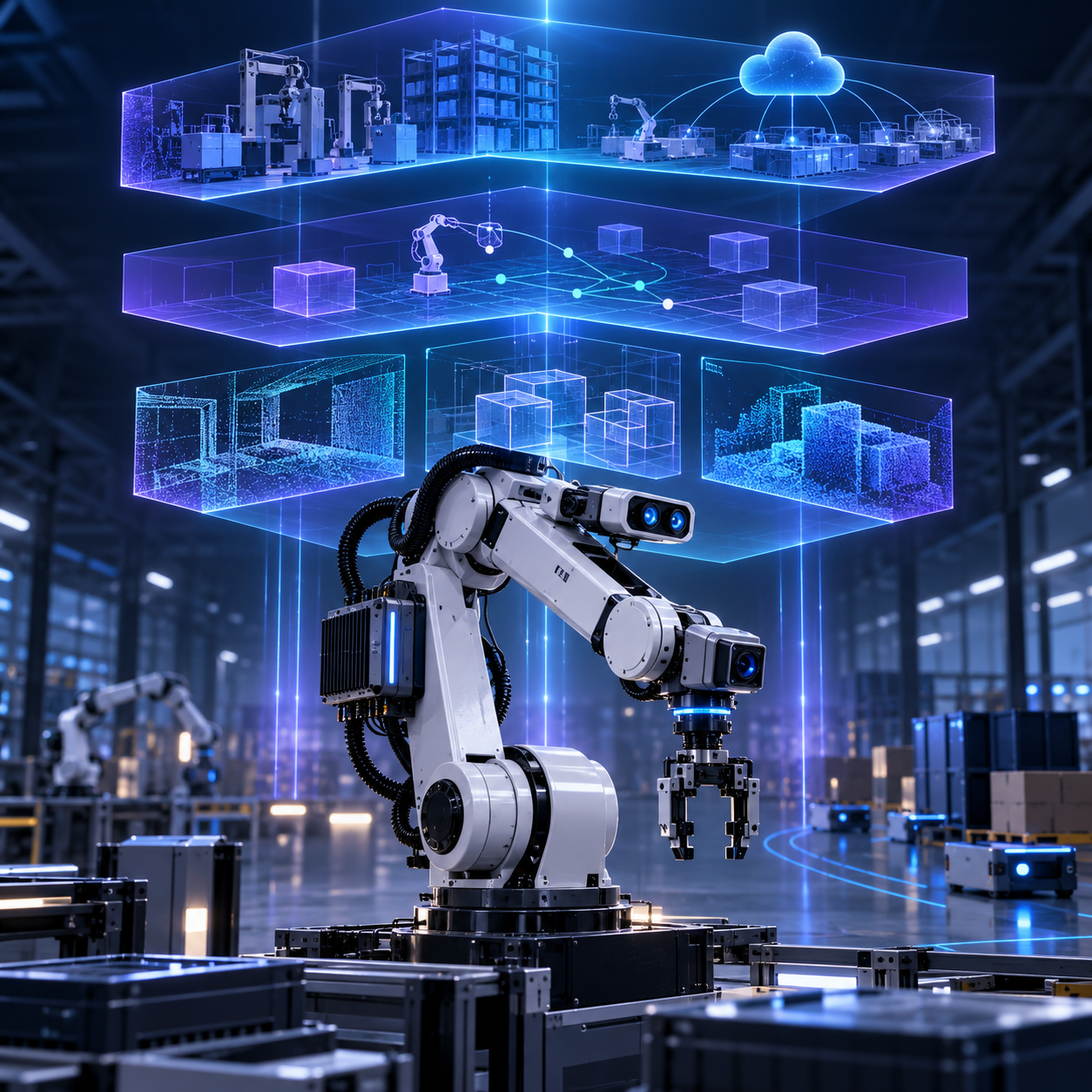
Artificial Intelligence in Robotics: The Competitive Landscape Moves Up the Stack
Artificial intelligence is moving robotics competition up the stack, with perception, autonomy, planning and deployment software becoming strategic differentiators.
Independent market intelligence from Article module 103.
Each record is classified by both destination market and product layer, including complete robots and core components.
Artificial intelligence is moving robotics competition up the stack, with perception, autonomy, planning and deployment software becoming strategic differentiators.

The U.S. industrial robotics market is broadening from traditional manufacturing into logistics, electronics, healthcare, food and AI-enabled production.

China’s industrial robotics market is being shaped by manufacturing scale, automation demand, local supply-chain development and investment in smarter production.
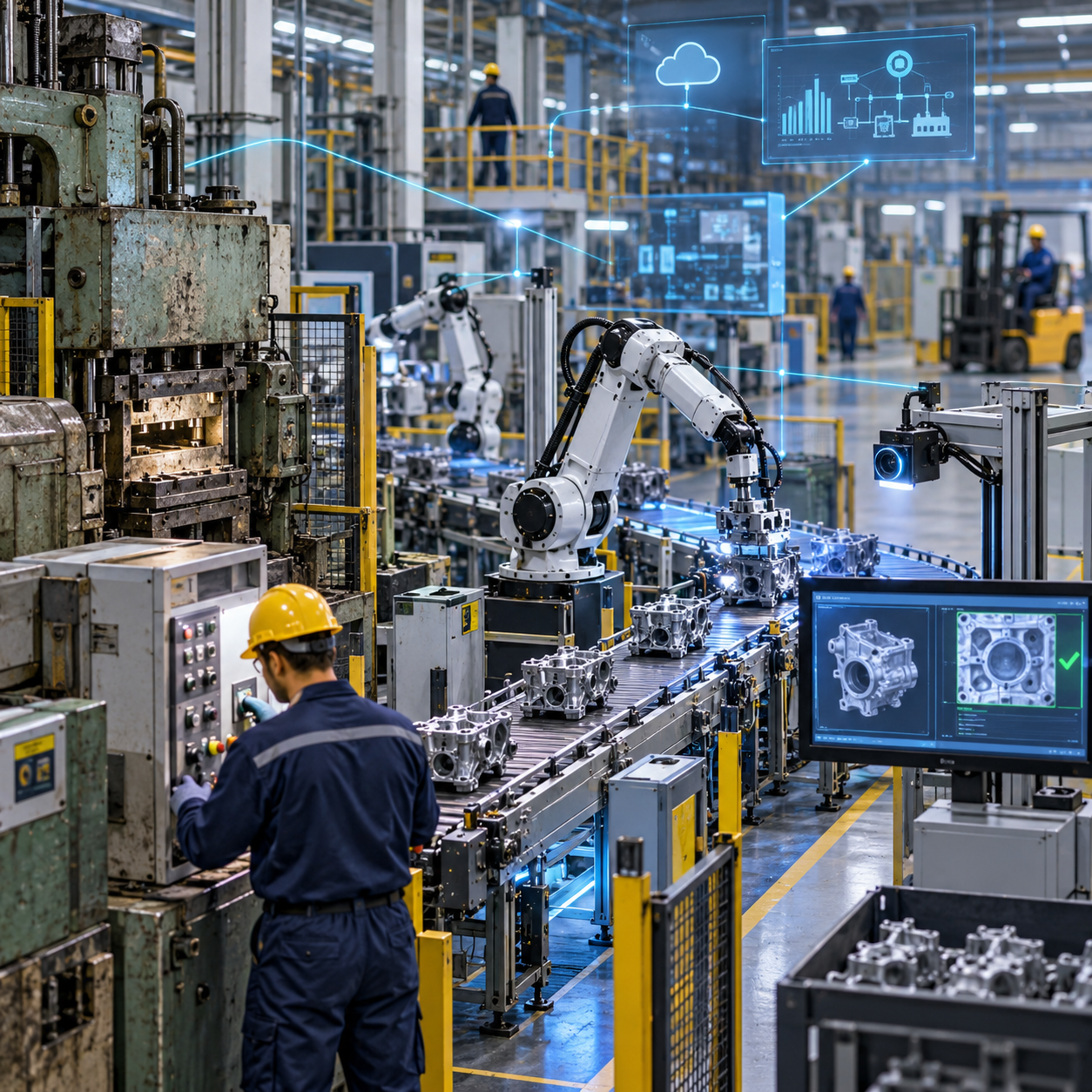
Factory automation is accelerating as manufacturers connect controls, robotics, machine vision, material handling and industrial software across production operations.
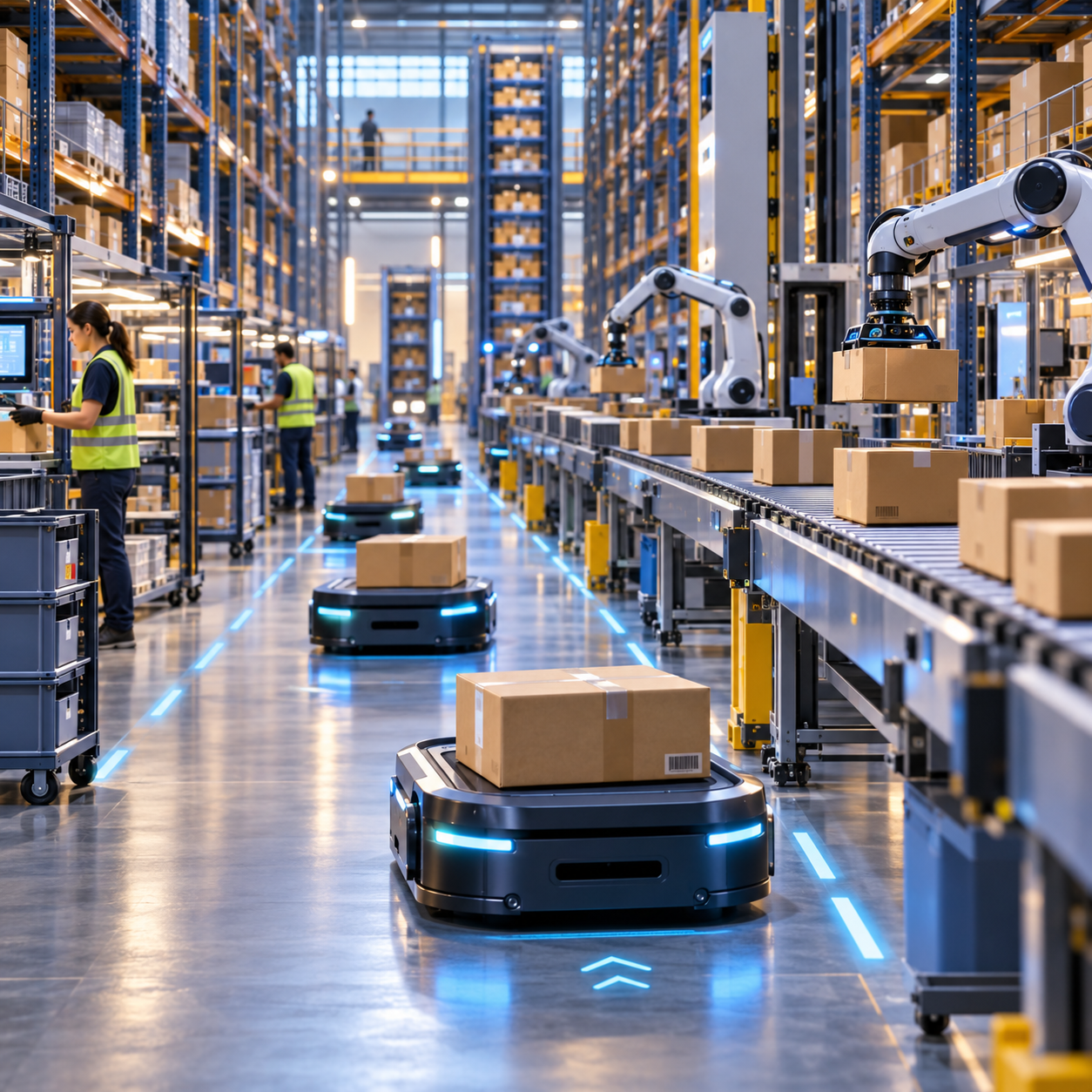
Warehouse robotics is expanding as fulfillment operators seek higher throughput, flexible automation and better coordination between machines, software and people.
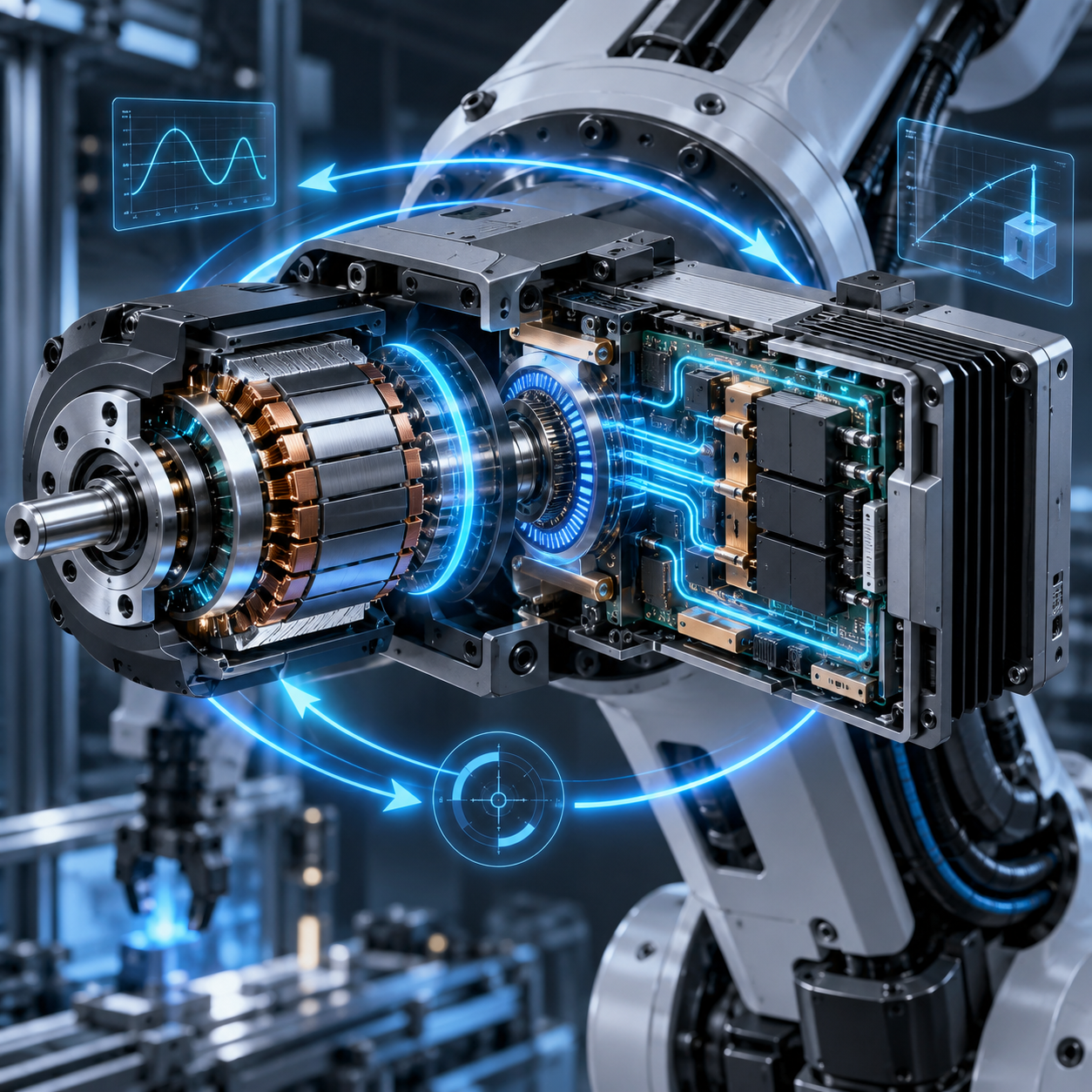
AC servo motors and drives are gaining importance as robotics and automated machinery demand higher precision, faster response and richer operating data.

3D machine vision is becoming a core automation capability as manufacturers demand faster inspection, more flexible robot guidance and reliable measurement.
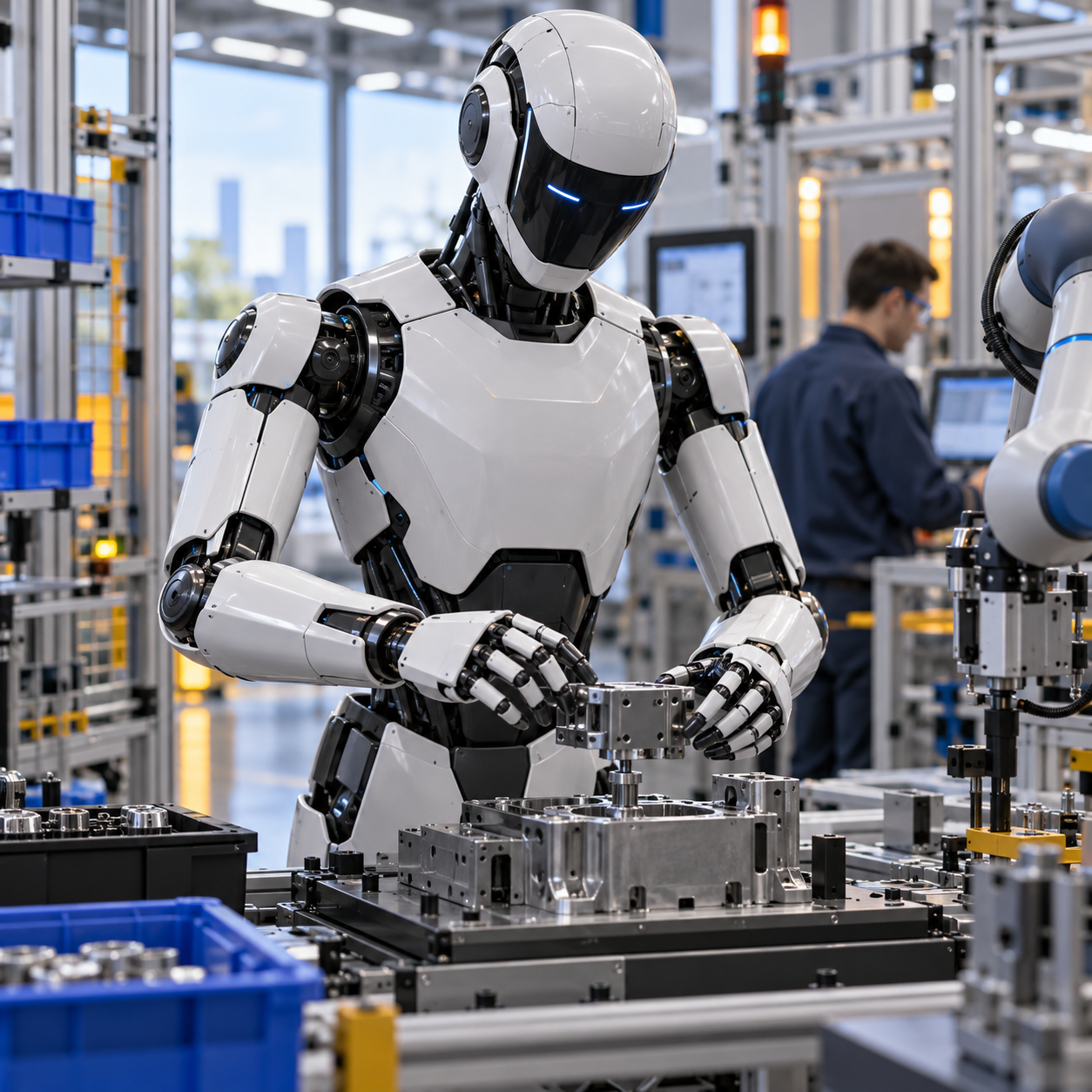
Humanoid robotics is attracting strong investment as embodied AI, human-compatible form factors and autonomous task execution move closer to industrial deployment.
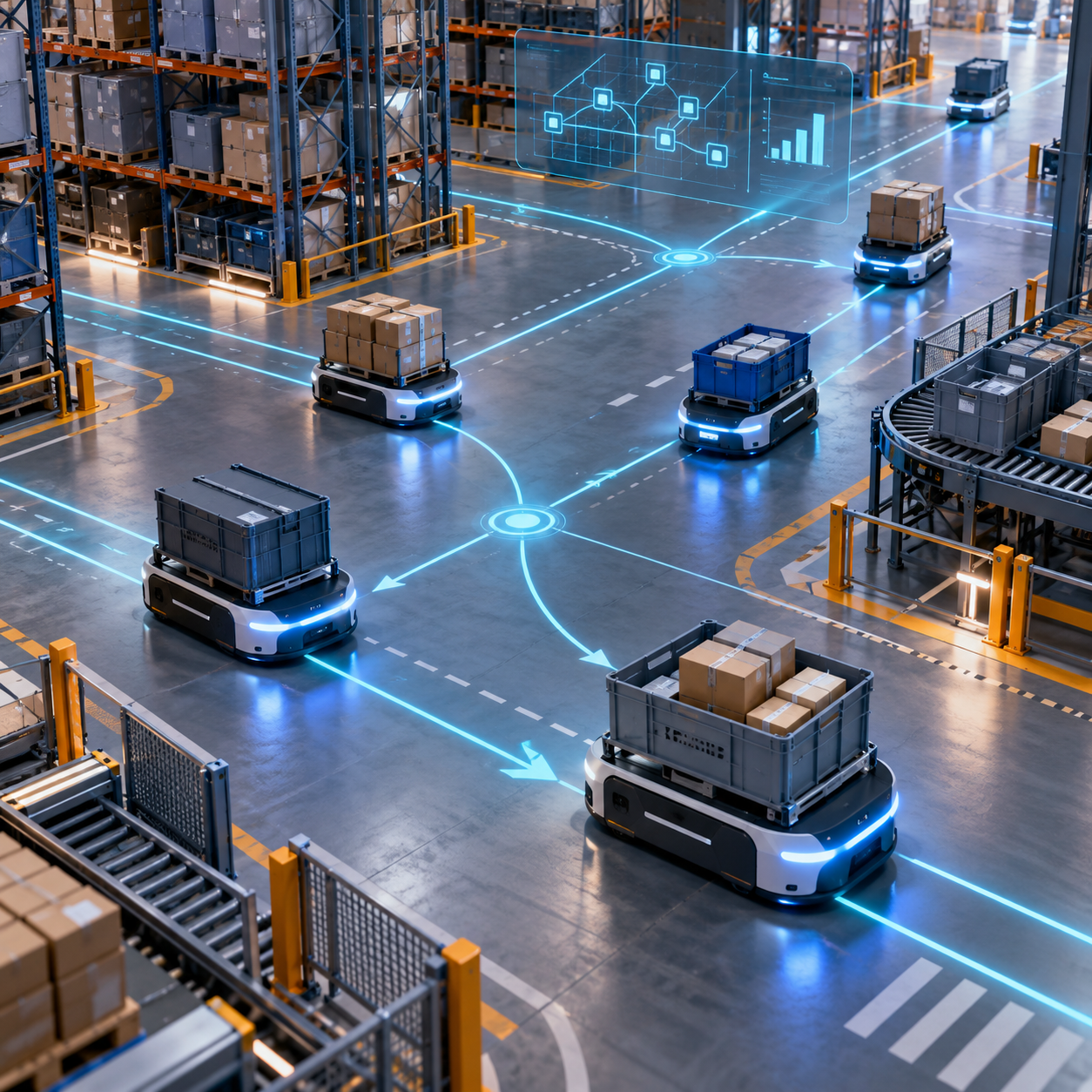
Autonomous mobile robots are becoming a core logistics tool as warehouses and factories seek flexible material movement, better throughput and lower labor dependence.

Industrial robotics is gaining momentum as manufacturers combine automation, AI and smart-factory systems to improve efficiency and address labor constraints.
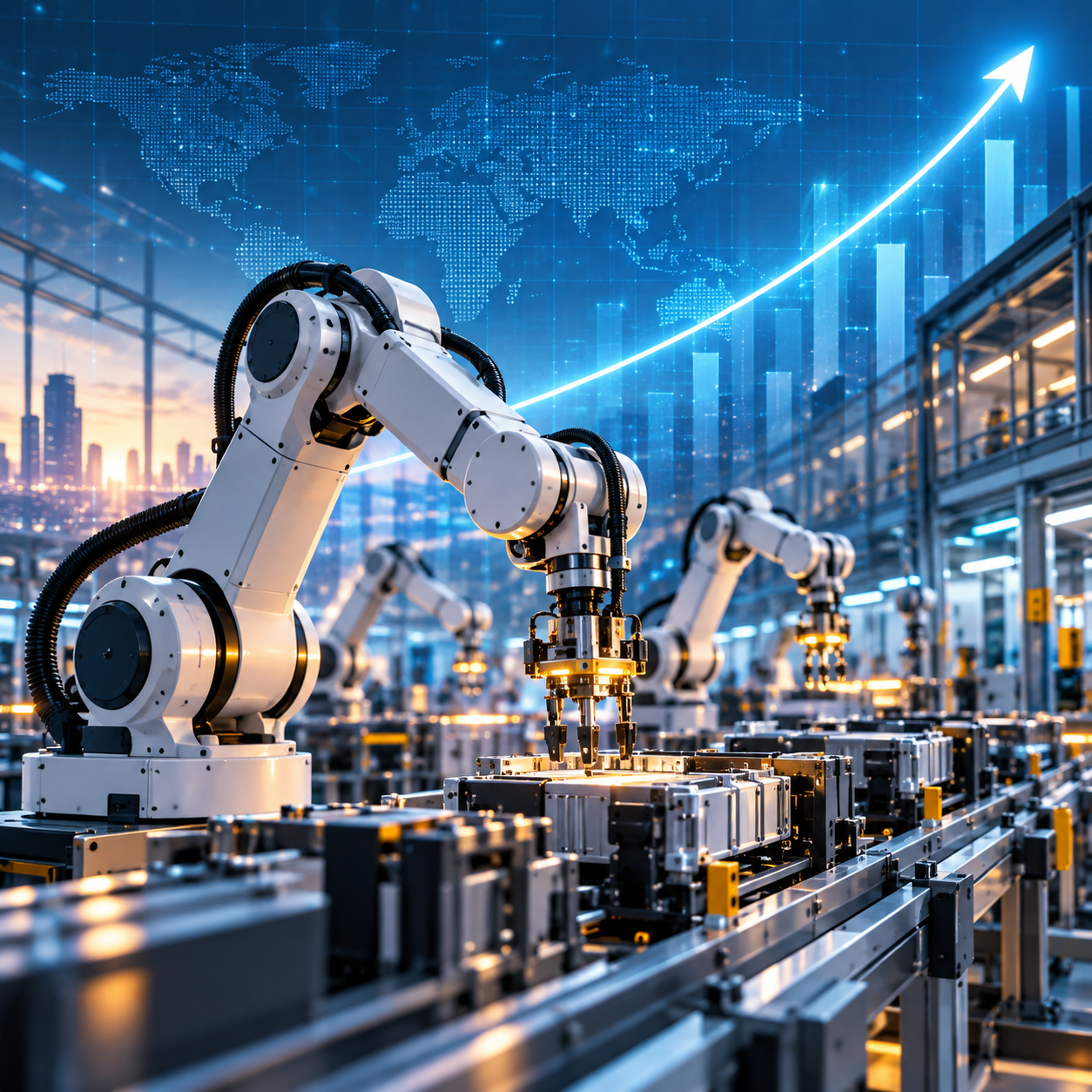
Industrial robotics is moving into a broader expansion cycle as manufacturers pursue higher productivity, more flexible production and lower operating costs.