OpenAI is a small upgrade that allows people to express themselves freely.
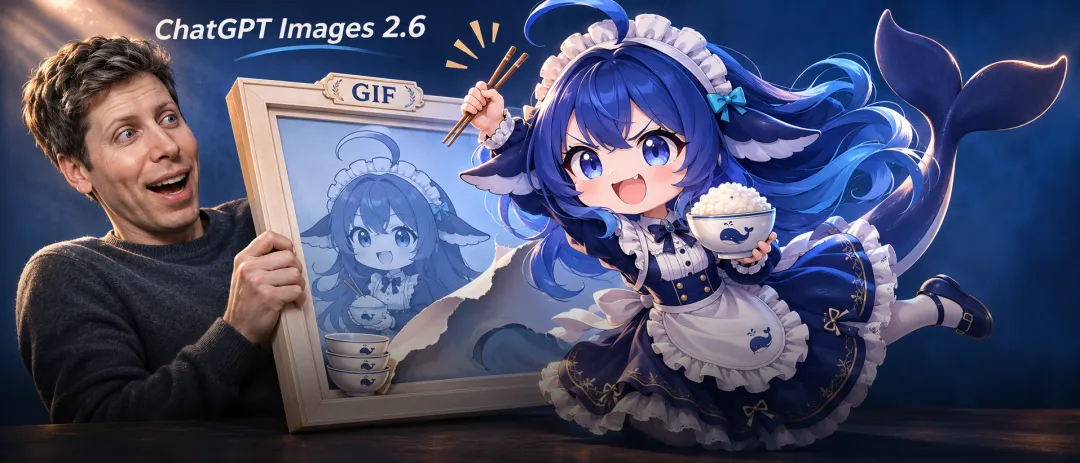
ChatGPT used to draw a cat and it gave a picture. Now you can add "let it dance" and get an animated GIF.
This is the most prominent change to ChatGPT Images 2.6 released by OpenAI on November 4th. The new version supports direct GIF generation and can continue to modify images from reference images. The two developer-oriented API models GPT-Image-2.6 Flare and Sunburst are synchronized online.
From being able to draw a poster, to being able to modify it repeatedly based on reference images, to moving people and goods, OpenAI's focus is not only on graphic quality, but on a series of work after image creation.
GIFs can be done directly, and even drafts can be moved.
In the past, a simple circular expression usually required a number of pictures to be prepared and adjusted for the position, spacing, and alignment of each frame. If the person was just blinking, the face, clothes, and background of the front and back frames could easily be confused once the hands were raised, the back and the face turned.
Now, Images 2.6 compresses these steps into a single sentence.
OpenAI made a presentation in the developer's guide: a little girl in an olive-green cap stood in the evening shelter, behind a lighted wooden cottage.
The monkey held a warm yellow paper lamp, slowly raised, raised his head, and then put the lamp back on his chest. The instruction specifically dictated that the camera remain motionless, and the movement eventually returned to its initial posture.
This animation is only 9 frames, with each frame showing 200 milliseconds, for a total length of 1.8 seconds. The image looks simple, but it brings the model from "understanding a picture" to "understanding a movement": it not only paints the object, but also arranges the movement in order and makes the objects at different time points consistent.
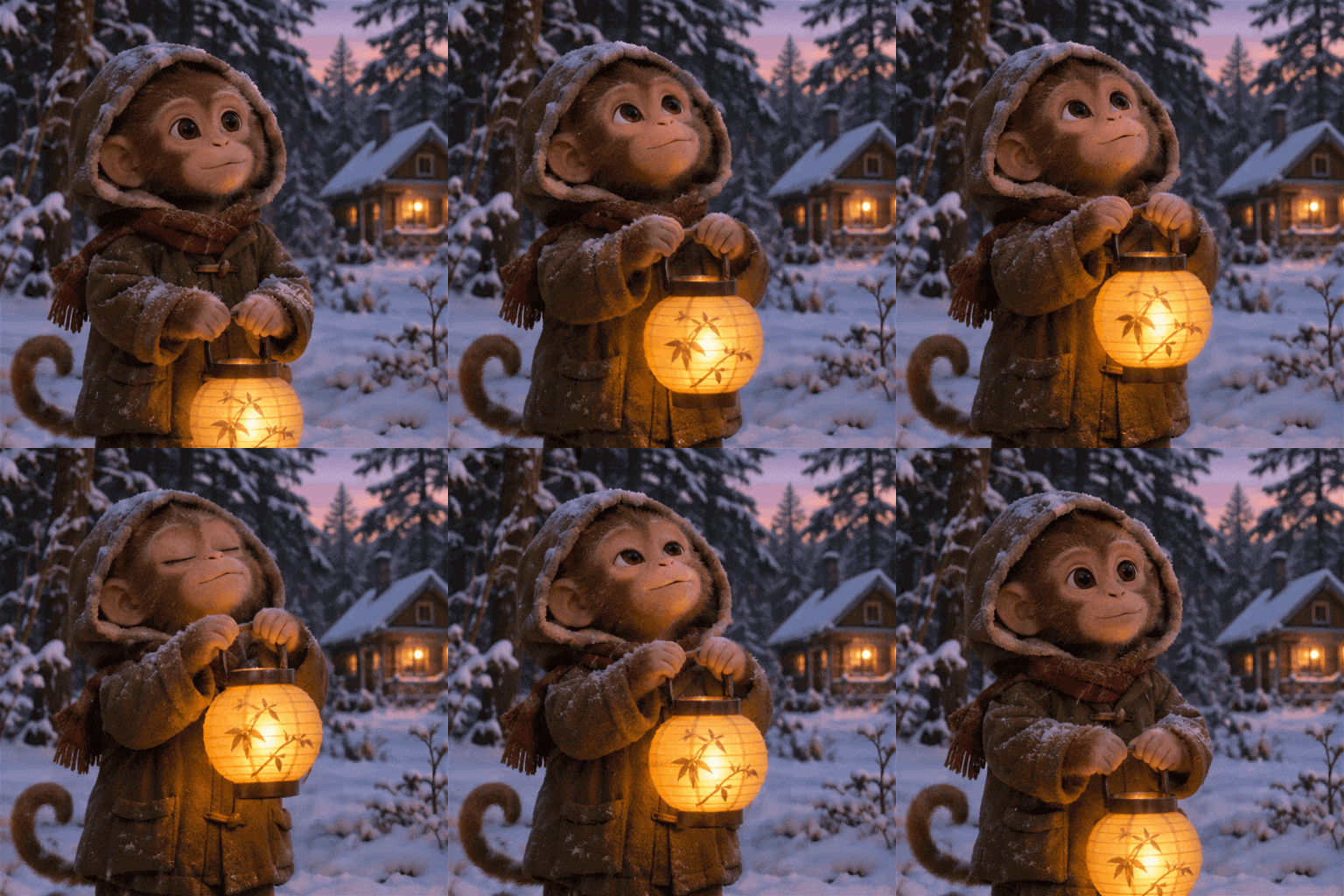
The little monkey raises his lights, blinks, and returns to his original posture.
We also tried one ourselves and made a few expressive packages:
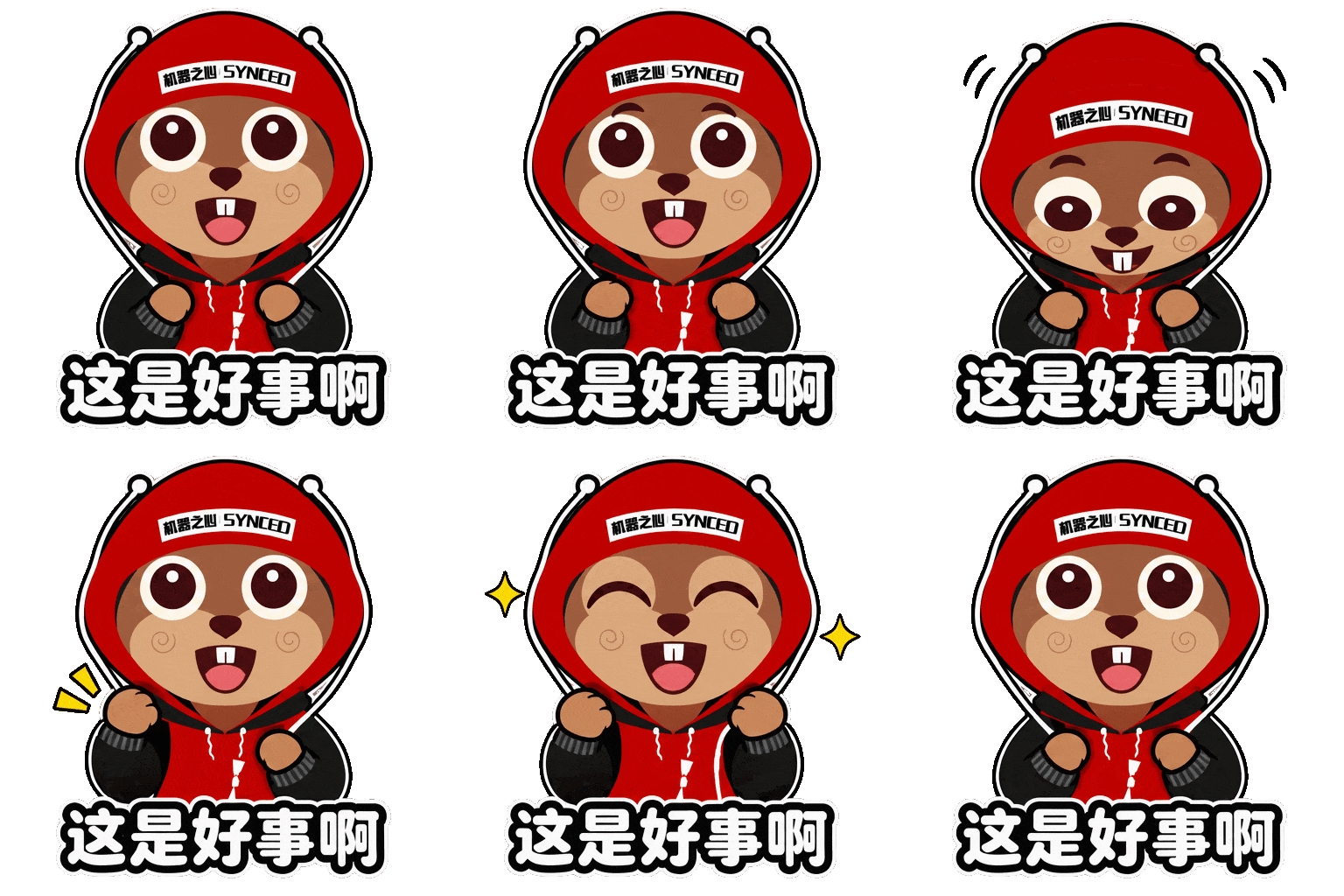
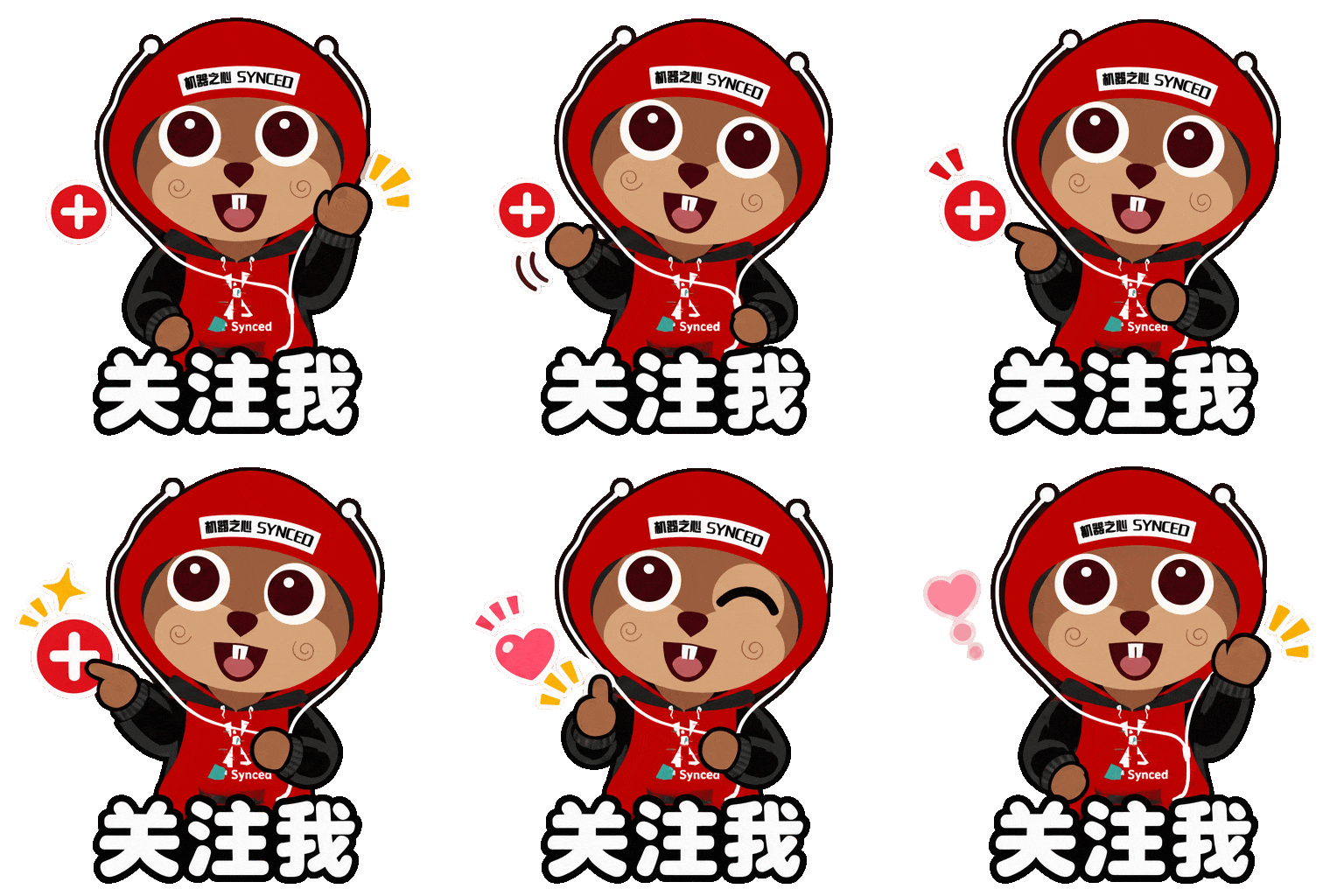
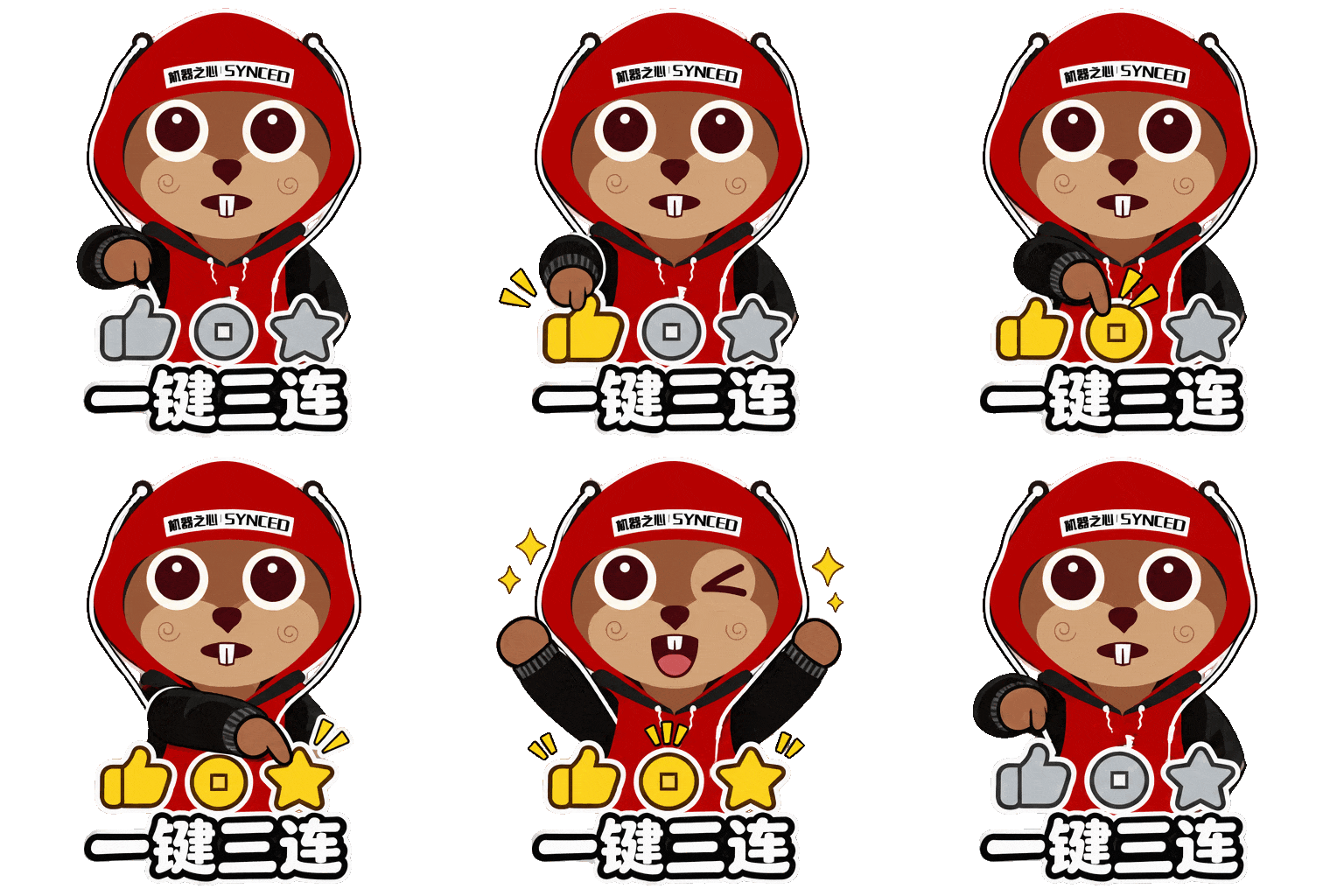
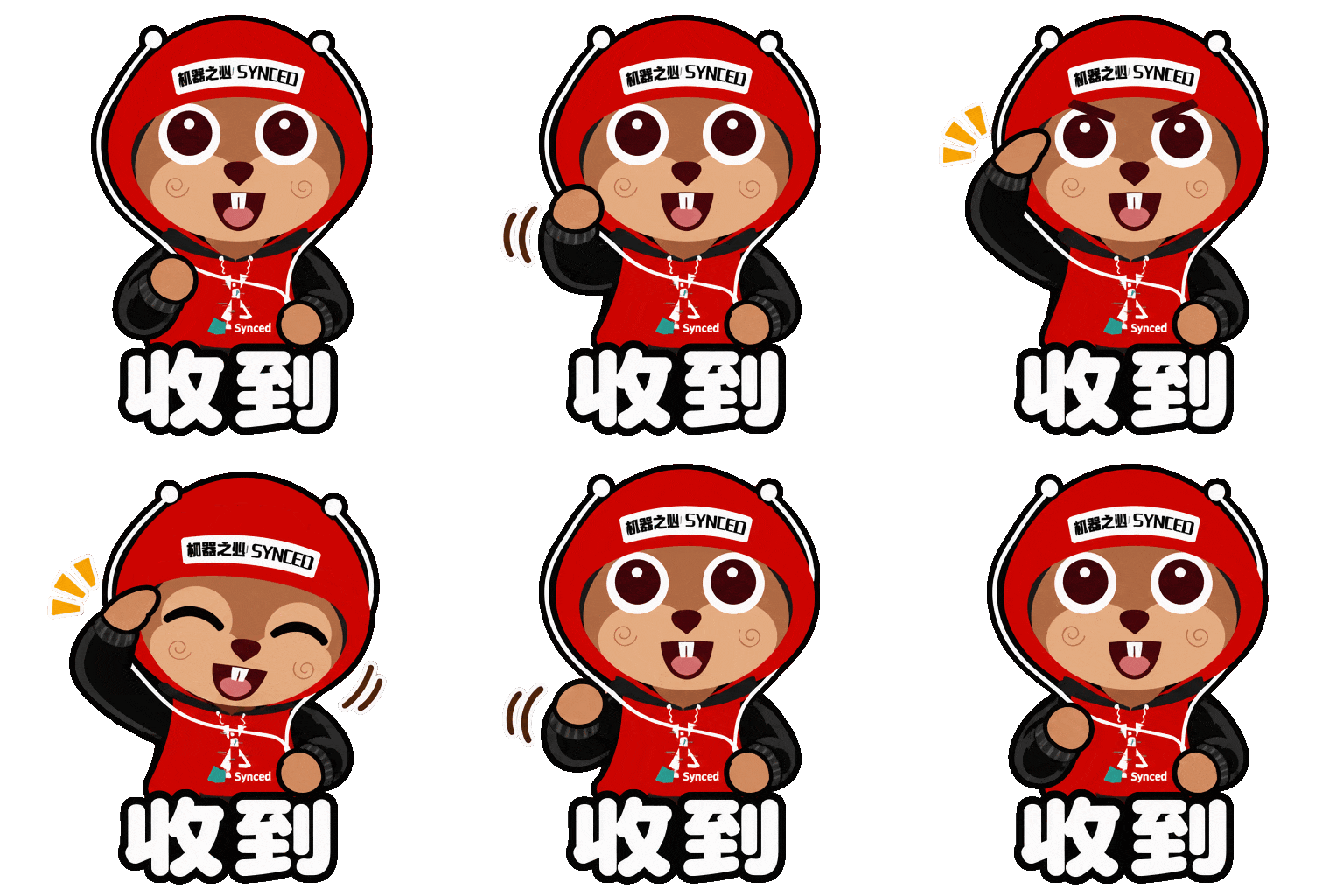
ChatGPT can generate a corresponding GIF with just a few reference graphics and a single phrase describing the desired expression and movement.
If you want to change clothes, you don't have to change your face.
GIF is the most eye-catching part of this update, while the second change is closer to the actual design work.
A brand has defined the look of the product, only wanting to change the background from white to outdoors; a human poster is out of print, only wanting to change a jacket for the model; a product description needs translation, but the flow arrows, illustrations and layout cannot change.
For these tasks, it is not enough to reproduce a beautiful image, and it is really important not to change the parts that have not been requested to be modified.
Therefore, OpenAI will be focusing on image consistency as an upgrade to Images 2.6.
The official developer guides show examples of changing clothes: providing a picture of the person and a reference picture of the dress together, allowing the model to retain the face, hairstyle, posture and background, only replacing the clothes. Another group of examples incorporated the dogs in the second picture into the first street scene photo, requiring the surrounding environment to remain the same.
The new goal of image editing is no longer to "refer to this style", but to distinguish what content needs to be changed and what content needs to be left behind.
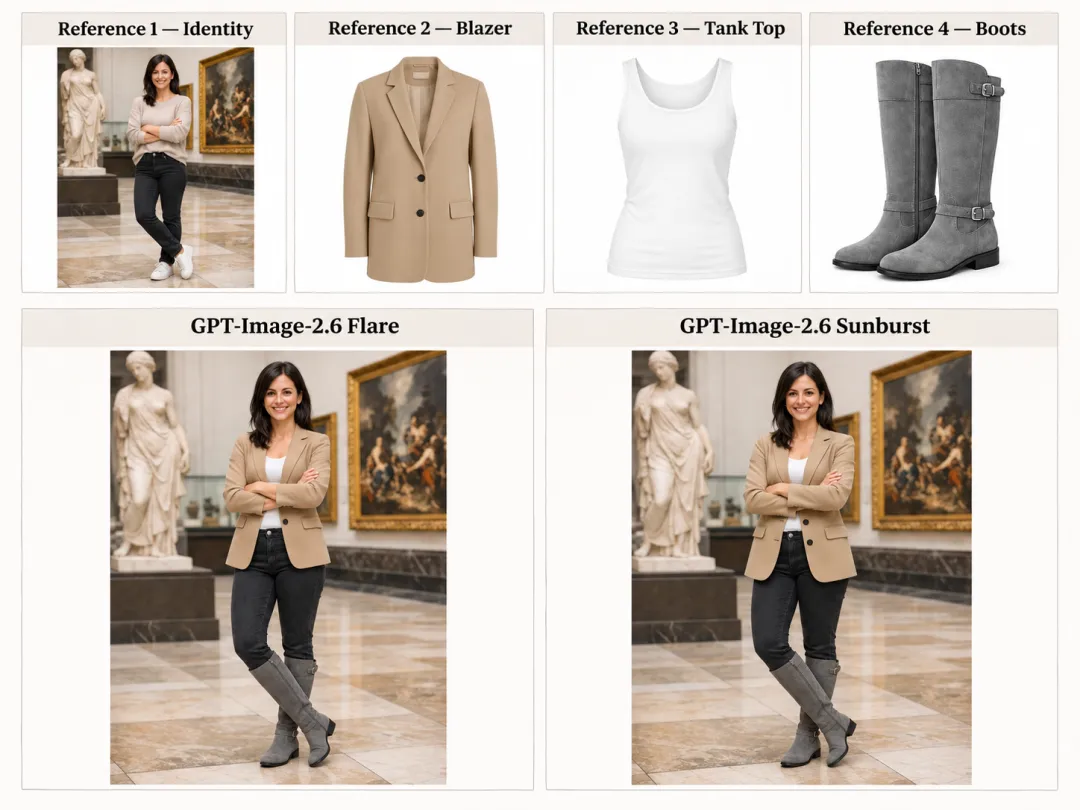
Reference characters and three clothing images, Flare and Sunburst respectively generate the changeover effect. Source: OpenAI
This is particularly important for commercial images. The words on the packaging, the shape of the handle, the faces of the characters, may all be design assets that have already been confirmed.
To make the modification of location clearer, OpenAI also incorporates image marking features into the API: developers can insert a bottle or object into the prototype and add a word to request modification of the model.
The official kitchen case is that the bottle is first enclosed on a transparent label and then the model processes the designated area.
Visual Circuit selection, which was originally available in ChatGPT, is now available as an editing method in third-party software.
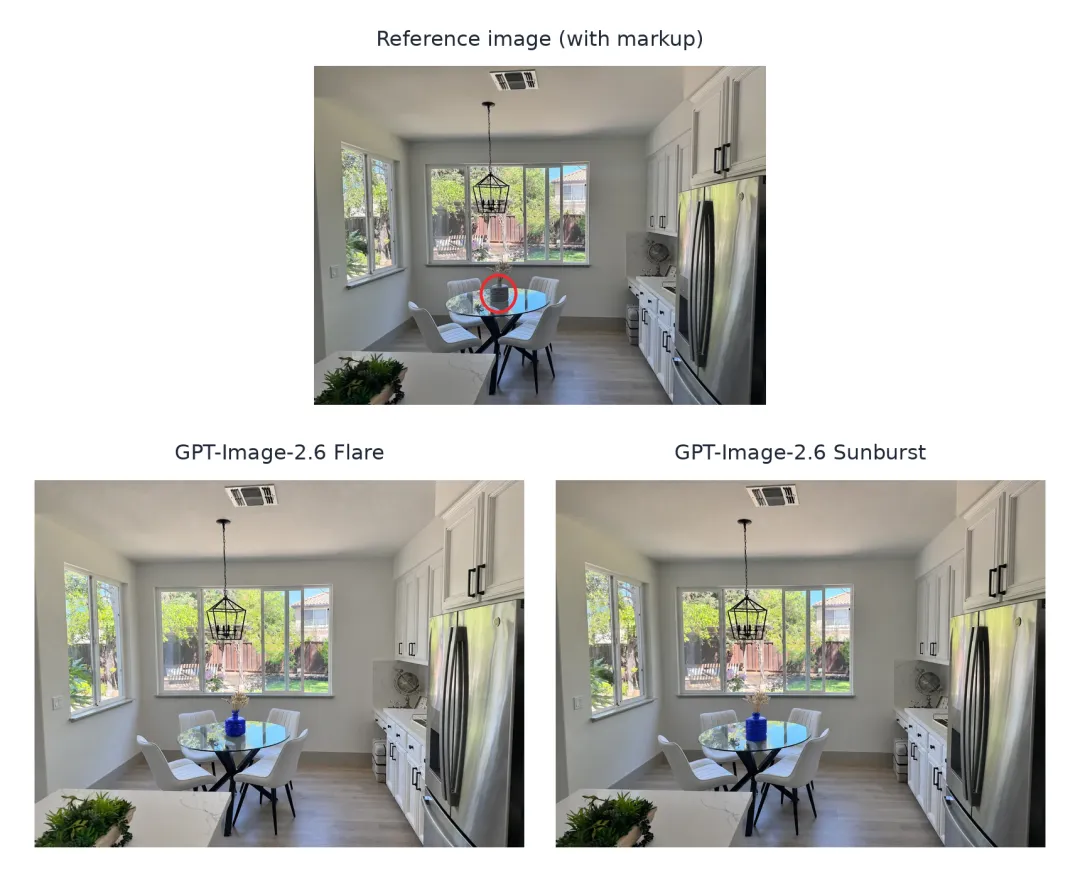
Flare and Sunburst converted the gray bottle to cyan blue using a red circle to specify the modified area.
The netizens are good, and the details are starting to come up.
A few hours after the product went online, X has already started browsing tests.
Some have made the recent hot "Big Fat Fish" facials into a series of dynamic expressions that can be directed, and some have made the facials of Sam Ottman.
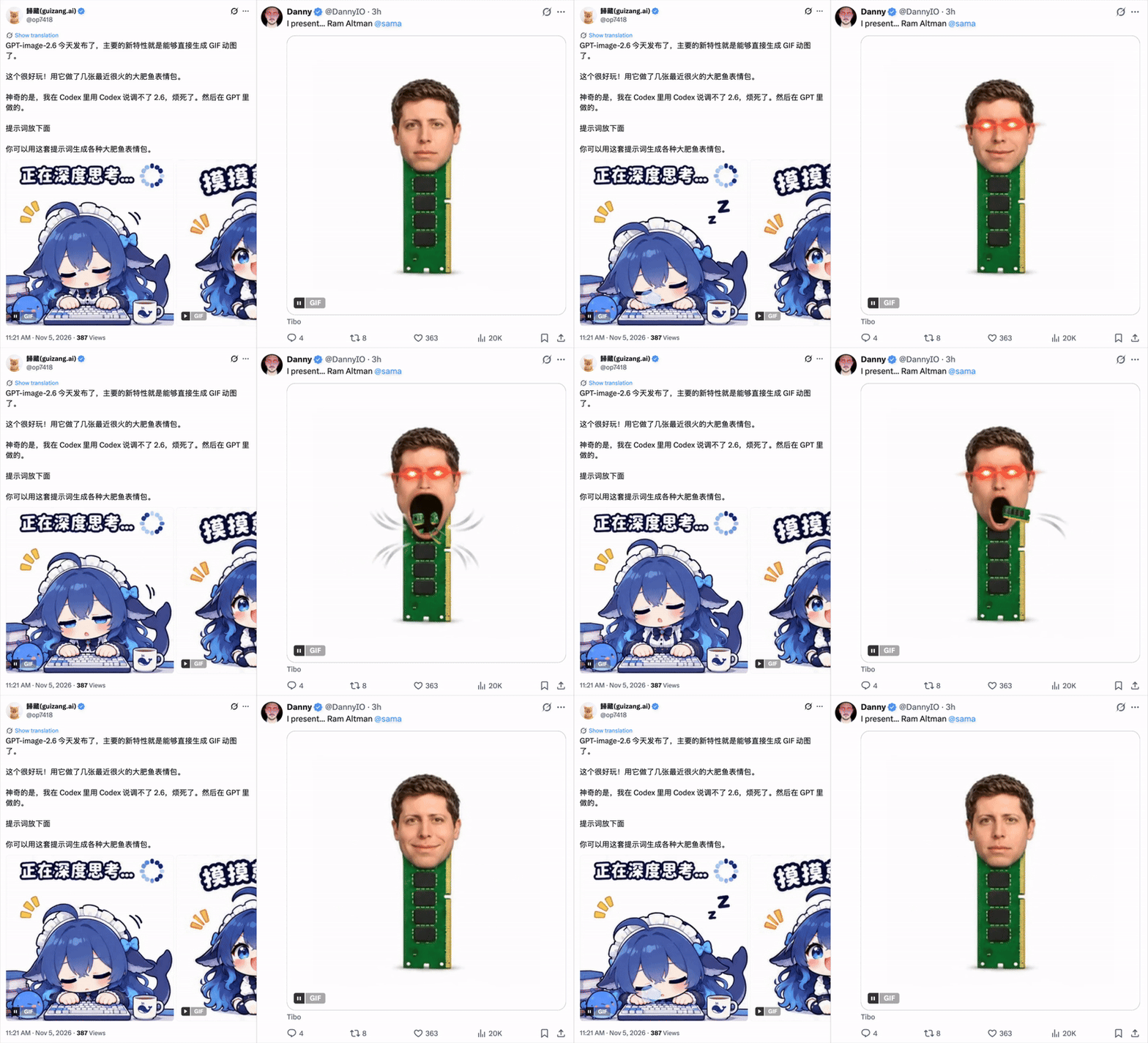
Others have made testing more like a real commercial design task.
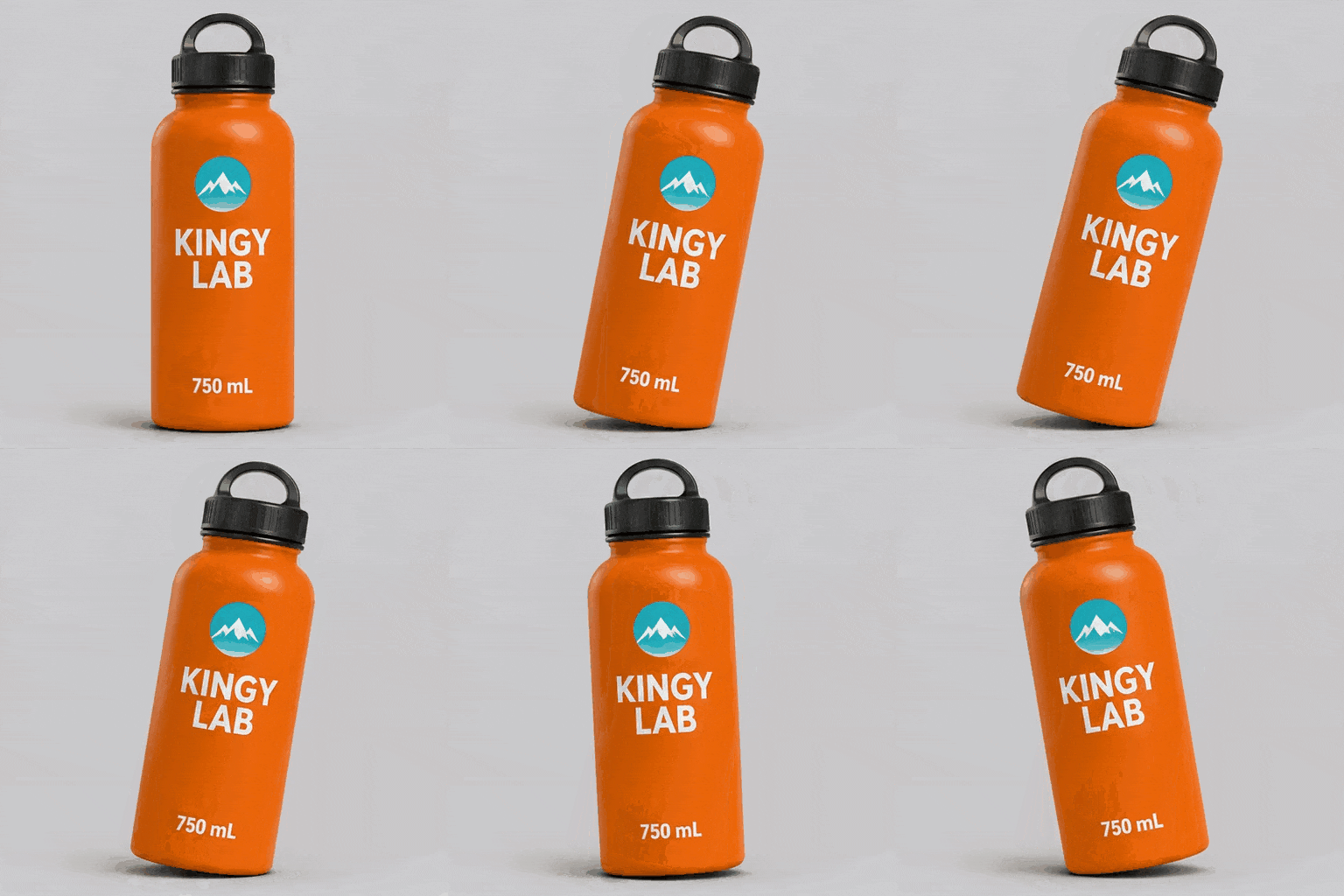
Technology blog Kingy called the GPT-Image-2.6 Sunburst API on November 4 to let a water bottle with "KINGY LAB" and "750 mL" swing around and ask for the background to remain unchanged, eventually returning to the starting position.
The API did return 512×512 pixels, 10 tonnes, a two-second GIF, and both of the text on the bottle.
But as you look at it, you will find that the swing is not evenly balanced, and there is a noticeable jump when the last one is connected back to the first one.
It's 50% faster, and there are two alternatives.
OpenAI is not just introducing an API image model this time around.
GPT-Image-2.6 GPT-Image-2.6 Flare is more prone to rapid iteration and is suitable for repeatedly generating drafts, product charts, and posters; Sunburst is aiming for higher work requirements for layout, graphic quality, and modification accuracy.
According to the official, the overall picture speed increased by about 50%, and with a low image quality setting, Flare can complete a picture in about 6 seconds at the most.
Developers can also use new complexity parameters to select low, medium, and high complexity, respectively, to control how much planning a model can put in before it is generated.
For example, replacing only one background and requiring dozens of objects to be precisely arranged and writing a large text at the same time are two different tasks of difficulty.
It is worth noting that the speed and the actual cost of each chart does not have to go down simultaneously.
Kingy generated the above two-second water bottle GIFs in a single API test, taking about 17.6 seconds, at an estimated cost of about $0.056 depending on the returned Token usage.
There is also a feature that can be easily taken away by GIFs: SVG output.
OpenAI requested in the documentation that Flare and Sunburst draw Logo for the fictional Field & Flour bakery, and both versions produced an editable SVG: Flare, which was more streamlined, with Sunburst adding elements such as cornstarch, steam, and rice rods around the bread.
From GIF animation to reference graphics editing, to SVG output, OpenAI is putting more operations that would have required different design tools into the same set of image generation systems.
This has also changed the way people use AI to create images. In the past, when an image was generated, it often required switching tools to rework it if it was to move, change clothes, or modify a location. Now, these operations can be done directly through natural language.
Of course, the new functionality has not solved all the problems. The animation jumps in the test of netizens, the changes in detail, are still the problems that need to be faced when it is actually used.
But for people who just want to make an expressive package that moves, change the context of a product, or change posters quickly, things that used to take multiple steps to do are becoming increasingly simple.
The link is as follows:
© THE