The age of AI, AI at the service of AI
In just two or three decades, this generation has gone through the era of agriculture, the industrial age, the Internet age, the mobile age of the Internet, to the era of artificial intelligence that is now emerging.
He used it.“I-type structure”Describe the current industry landscape: the top is AI computing, high-end chips, big models, and a few AI-related tracks, independently upwards, and below are huge industries such as traditional manufacturing, catering and retail.
Manufacturing companies have to answer: Where are we and what tracks are relevant to us?
In the past, AI was more present in the digital world, and in the future, AI will connect to the physical world.In the past, intelligent driving was the main carrier of AI-based physical space; now and in the future, robots will be the most important carrier. While robots are moving into the physical world, the industrial landscape is a must-see as a valuable training ground and a constant source of data.
This is one of the reasons why Tostar is thinking about its ecological status.“AI in service of AI”。
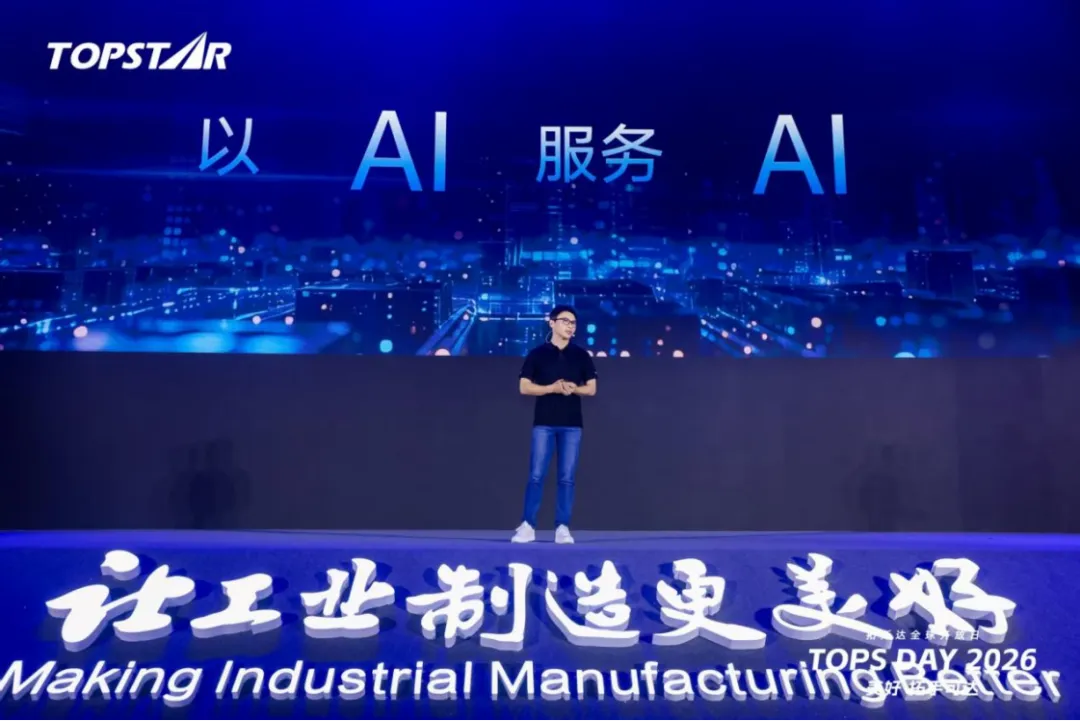
Artificial intelligence (AI) is technology and products, which create tools and capabilities through AI technology; behind AI is customers and markets, or service objects. Within the framework of AI, there are four key words: a technology, a tool, a core capability, a vast industry. They are not only parallel but also interconnected: tools are born from technology, tools are transformed into capabilities, and capabilities are used to support a changing, currently sustainable industry.
“Short-term sales, medium-term products, long-term operationsWell, that's how Toaster operates.
On the operational side, Tostada is committed to All in AI, staying at the forefront of the business, working together in technology to grow the seeds of AI applications from real business.
The product side, relying on injection molding equipment, numerical control machines and a large number of customer scenarios, follows the evolutionary closure of the molding scene + robot + data + AI model box, rooted in the industrial molding field headline, allowing the intelligent to truly understand the process, will work, can land.
At the end of the sale, the acquisition of a 49% stake in Light Electric cut into the fast-growing light modules, light chip tracks, serving upstream light industry customers, opening up a whole new scene for physical intelligence.
What is the scale of physical intelligence?Machine intelligence is not the same as robotics, understanding the process, working, and landing is the standard for the industrial landscape.
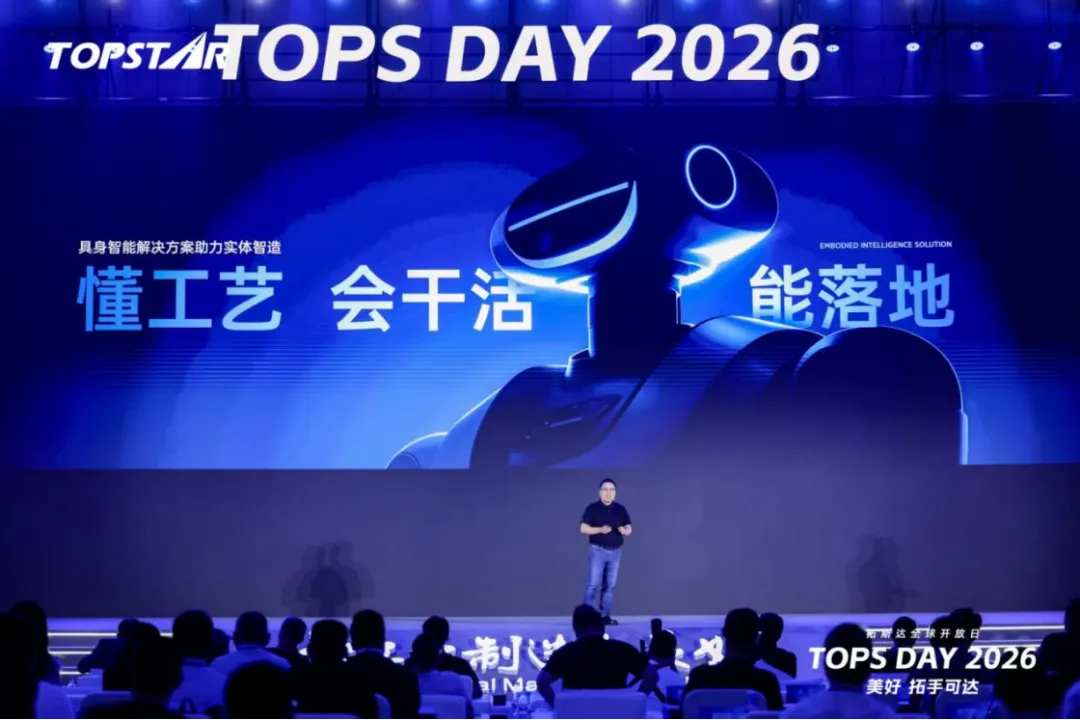
Over the past year, Tostada's team has been at the cutting edge of the workshop, experiencing real-world conditions and complex processes. They have visited more than 100 customers and, after more than 30 scenarios and mission verification, have finally combined their intelligence into three typical application scenarios: multi-variety, small-scale production; multi-process concentrated operations; and factory material transportation.
Scenario 1: Multiple varieties, small batches
Flexible sorting and stock conversion
A family.Top plastic manufacturing companies in the countryThe production line regularly flows hundreds of model materials, multi-model alternate production. The sorting process after molding is basically based on man-made, producing about 500 pieces per hour. Workers are not good at tricks, quality discrepancies, easy to get defects, leaks; traditional automation transforms each change of model, single unit equipment takes 2 to 4 hours to modulate, and in small batch mode is not better than man-made.
Toast is a joint venture with customersAI-based flexible sorting workstationsAI vision achieves autonomous identification of materials, reducing error detection and leakage checks; autonomous identification, positioning and route planning reduce operational difficulty; archived materials can be quickly replaced in 5 minutes, unarchived new materials completed in 30 minutes; ordinary workers one-key operation, without the need for on-site modeling by professional engineers. After operation, the production line UPH is stable to 1000pcs, efficiency is higher and efficiency is significantly improved.
The second case came from3C industry customersThe plant has deployed a number of Tostar robot workstations in batches, but as demand increases, varieties increase, and individual batches decrease, the original equipment is only suitable for fixed products, product generation needs to be reshaped, modified, and production cycle lengths changed; all new AI equipment replacements face higher procurement costs.
Toast's solution was to: retain the original equipment, superimpose AI flexible sorting models for intelligent transformation, allowing the old machines to generate new value. After the transformation, the flexibility of the production line was significantly improved, allowing the system to be compatible with multiple hardware and converted to minute-to-minute compression.
Yellowstone thus makes an important point: every Toaster robot running on the customer's premises is a carrier of physical AI. Toaster's smart AI workstation is transforming year-on-year depreciated industrial equipment into a smart carrier that can continue to learn and add value.
Scenario 2: Multi-process focused work
One device packs a three-way process
Multi-process concentrated operation is the most difficult bone in automated transformation.
It's not.Precision parts manufacturing scenePrecision injection molding small parts have high requirements for consistency, injection molding after sorting, sliding plates are carried out synchronously, and multiple materials are replaced. In the past, sliding plates were sorted into two separate devices, occupying workshop space, interprocessory material flow affecting efficiency; the on-site production line layout has been standardized, and large-scale adjustment of the line will disrupt the production pace, infrastructure construction, pipeline transformation will also generate additional inputs.
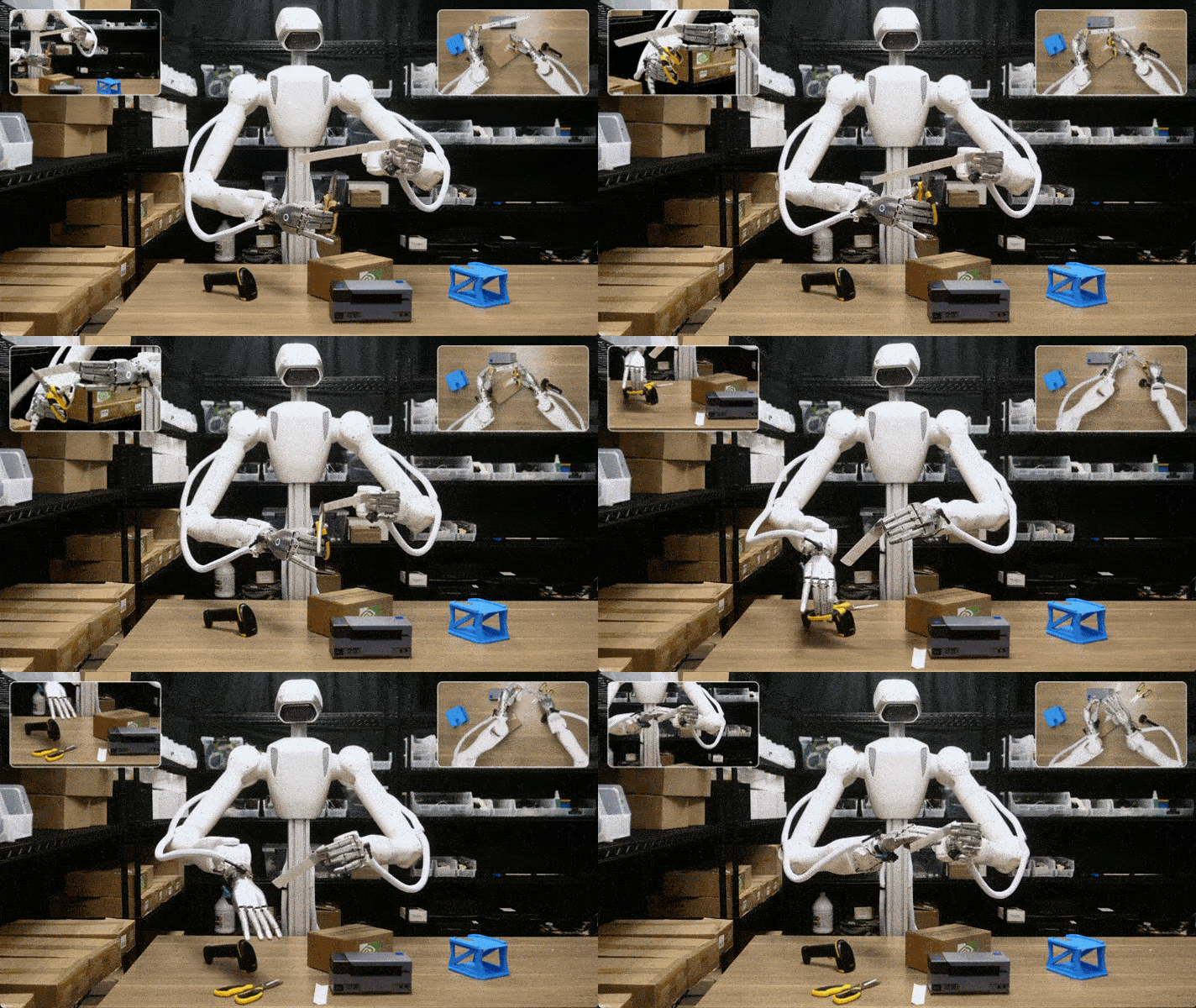
Toast uses two-armed humanoid robots to build a sorting, detecting, and scavenging integrated workstation, to integrate the processes that were originally disassembled into the same workstation, to take up less space, not to modify the original production lines and support facilities, and to avoid the risk of production interruption and transformation.
It's not.Top customers in the optical glass industryScene, the process process is after the printing, before the finished product is packaged, it needs to be cleaned, AOI detection, man-made wiping three processes. Multiple devices plus man-made collaboration, the production line process is long, rhythm slow, and man-made transfers are also very likely to cause second scratches of glass.
Tosta is launchedAOI arm robotic glass wiping workstationOne machine multi-purpose integrated operation, seamless cleaning, AOI detection, artificial wiping, avoiding second cutting caused by transfers. Defect detection capability based on the model, the whole production line improved by 15%. The whole set of equipment is plug-in, without programming modulation, the whole work is fast.
Huang Lin pointed out that rubbing glass seems simple, giving it to robots is not easy, requires precise positioning, rational control of production power, belongs to human-like flexible movements, traditional special machines are difficult to achieve.
Behind this is an understanding of the process, where Toast uses the visual detection, injection moulding, grafting, grinding, assembly, etc. accumulated on industrial robots, combined with Agent technology packaging as a vertical process model to replicate and migrate the process capabilities to intelligent products. At the same time, product performance continues to evolve, with Toast's new generation of arm robots improving their mechanical rigidity by 30%, their range of motion by 45% and their arm span by 23%.
Scenario 3: Moving materials to the factory
Micro 2.0 and data closure
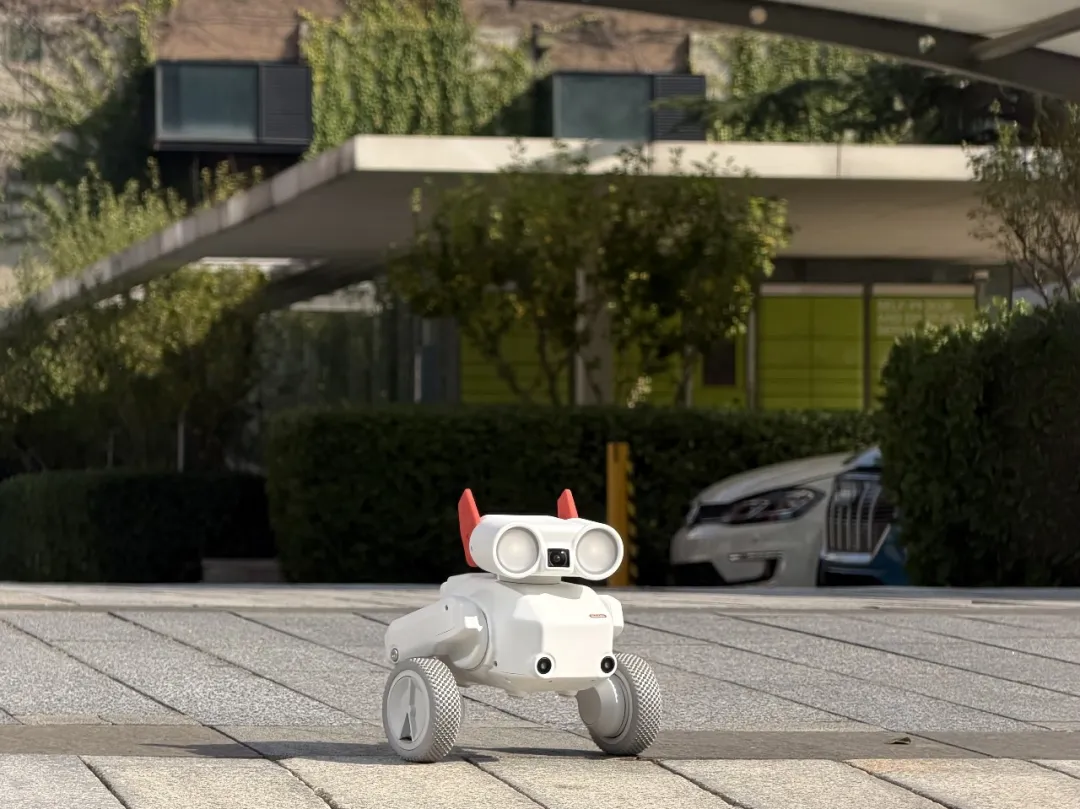
Last year, Tostar released a video for the injection scene.WheeledThe human figureThe robots“It's small.”A year later, Little Toulouse unlocked a new assignment for the transport code.
To address the relocation codes scenes, Tostar dismantled the mission into the following:Capture, transfer, and encodeThe three core modules, which rely on small-to-medium-arms and AI visual positioning technology, achieve autonomous capture of the fuel tank on the flow water line, seamlessly connecting the original production line and site to the factory, and achieve zero conversion landings.
Combined with SLAM navigation technology, it can navigate the factory area autonomously, accurately; combined with AI large model autonomous planning capabilities, without the need for man-made refined programming modulation, which can be automatically adapted to different box specifications and code shapes.
Tostada is dead.Open the entire process of collecting and synthetic data from real machinesCombining real-world data with simulation data, reducing data collection costs and application thresholds; the raw data is cleaned, labelled, stored to generate high-quality datasets for model training and can be fully verified by sim2sim technology on simulation platforms and deployed to real-world scenarios.
At the same time, the continuous recycling of on-site operational data, if permitted by the customer, forms a complete data loop: both anti-inflammatory models are mutated, making the program more useful and smarter; and on-site equipment can be monitored and evaluated for status, risk identification in advance, and planned maintenance.
A small robot takes orders in the field of AI computing
More importantly, the commercialization process of small business is moving from on-site verification to customer orders.
On the opening day, KAI Tech signed a human-computer procurement agreement with Tostada. KAI Tech focuses on the development and production of AI high-speed optical connectivity devices, an enterprise of excellence in the computing industry chain. Following the agreement, Tostada Human-computer will help KAI Tech strengthen product line quality control, open data links, and promote customer product line intelligent upgrading.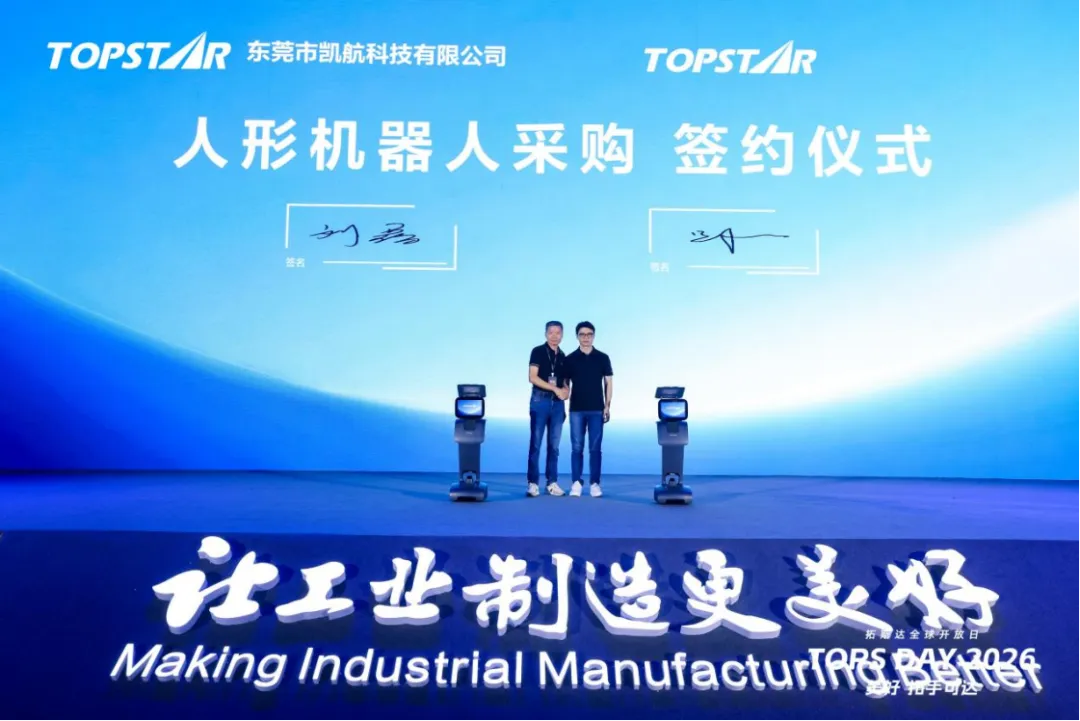
The signing means that Toyota's small-tool robot products have entered the production line planning of AI industry chain customers. This is the most powerful commercial proof of understanding the process, functioning, and landing capabilities.
Full-size two-legged humanoid robot STAR released
On the opening day, Tostar officially unveiled the full-size, factory-built two-legged humanoid robot STAR.
In terms of parameters, STAR is a product that is specifically designed for the industrial scene: 1.72 meters tall, weighs 72 kg; can carry up to 10 kg with two hands, flexibility exceeds human hands; the waist supports 170° of rotation, narrow space operation is more comfortable; the head, chest and back are equipped with three cameras, achieving 360° of environmental perception; the integrated system uses aluminum alloy materials, with high rigidity and light weight; high energy density batteries last more than four hours, satisfy single-class production, support fast charging power supply; have been tested with a complete set of hardware, and can operate in a stable compliance in the factory.
STAR has a total of 41 degrees of freedom, and can mimic human movements; an arm-repeating positioning accuracy of ±0.05 mm; a bipedal walking speed of up to 1.2 m/s, and has unique advantages over other physically intelligent products in small space operations.
Yellowstone also shared a technical detail: human-robot leg shaker materials are very tricky, too soft to affect movement and operational accuracy, and too hard to achieve shaker reduction effects.
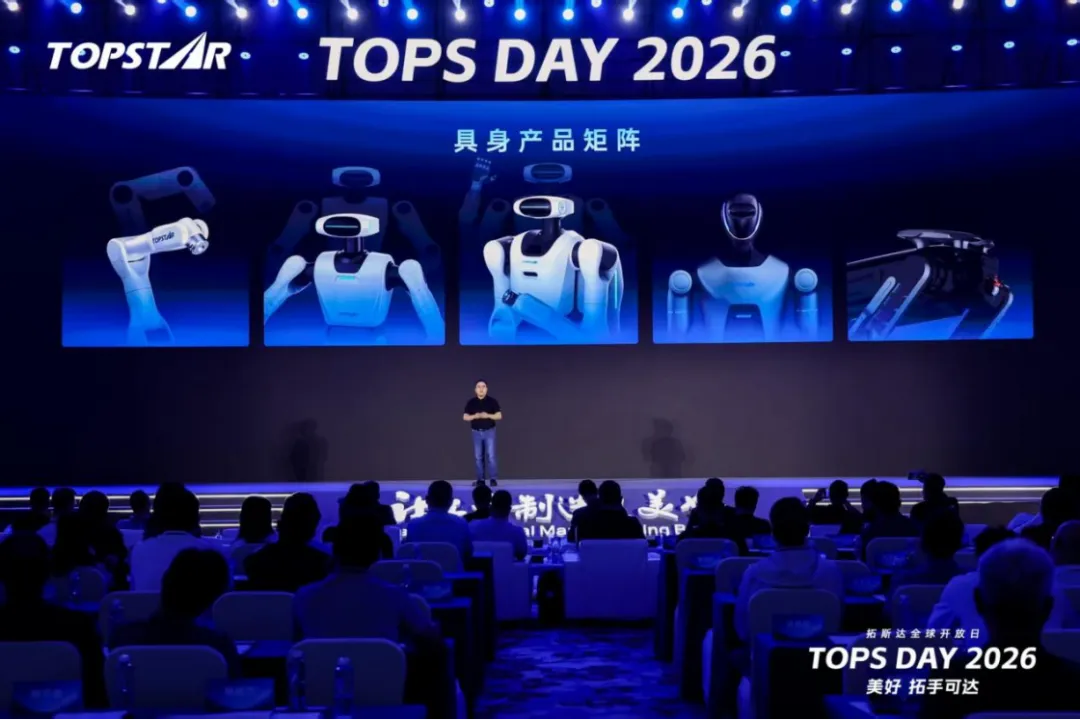
In this respect, Tostada's matrix of body-smart products is even richer: Tostada has completed the 2.0 iteration, the four-legged robot was launched at the beginning of the year, and today the two-legged robot STAR officially debuts. In the future, Tostada will be promoting a number of body-smart collaborative operations, combined landings.
2026 marks the beginning of the golden age of robotics
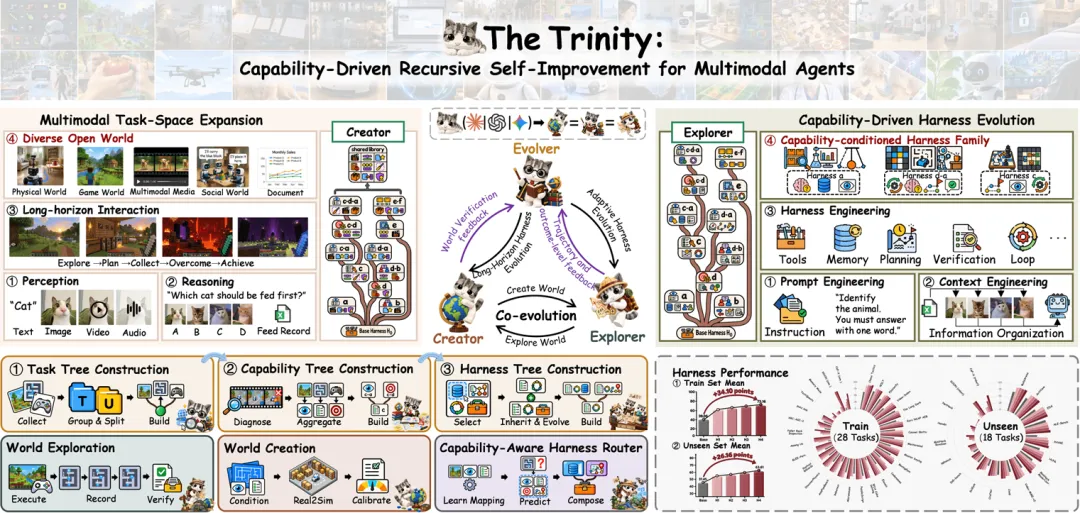
The product landing was a fundamental shift in the technological paradigm.In 2026, we are at the beginning of the golden age of robotics.AI is moving from the digital world to physical AI, and robot controls are shifting from engineers writing step-by-step motion programs to self-acquiring operational skills through data, teaching and learning.
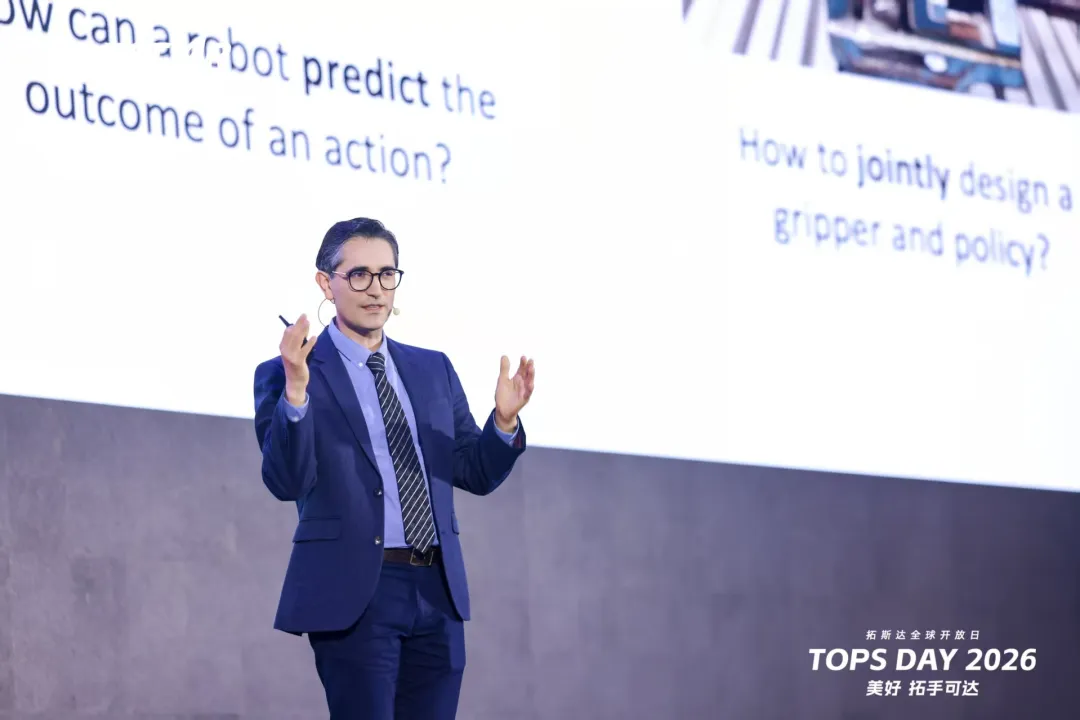
“Basic models with VLA、Data collection and skills learning、world model、Software and hardware collaborationThese four directions support each other and together point to a real bottleneck: high-quality, large-scale, diverse robotic data, which remains one of the most important bottlenecks in today's applications of intelligent scaling.
This is the industrial significance of the Toaststock scenario - data model closure: the real production line is both the landing scene and the data source; the data backflow counter-breeding model, the model upgrades and returns to the production of the service scene.
Liangsheng, the founder and president of NanduStar, agreed with this, saying that the most valuable asset in the manufacturing industry is the production of data, but large amounts of data are being lost. For this reason, at the beginning of the year, NanduStar signed a strategic partnership agreement with Toshiba, planning to continue to acquire more than 500 robots, use smart equipment as a data input, break the data islands barrier, activate factory data assets, and make robots stronger together with Toshiba.
David said that in the future, he hopes to work with TOSTA in three key areas: research and development of a new generation of intelligent robot systems that integrate intelligent agents with world models; building a scalable, physically intelligent data collection system; and staying true-demand-driven to get robots out of the lab, into factories, and solve valuable real-world problems.
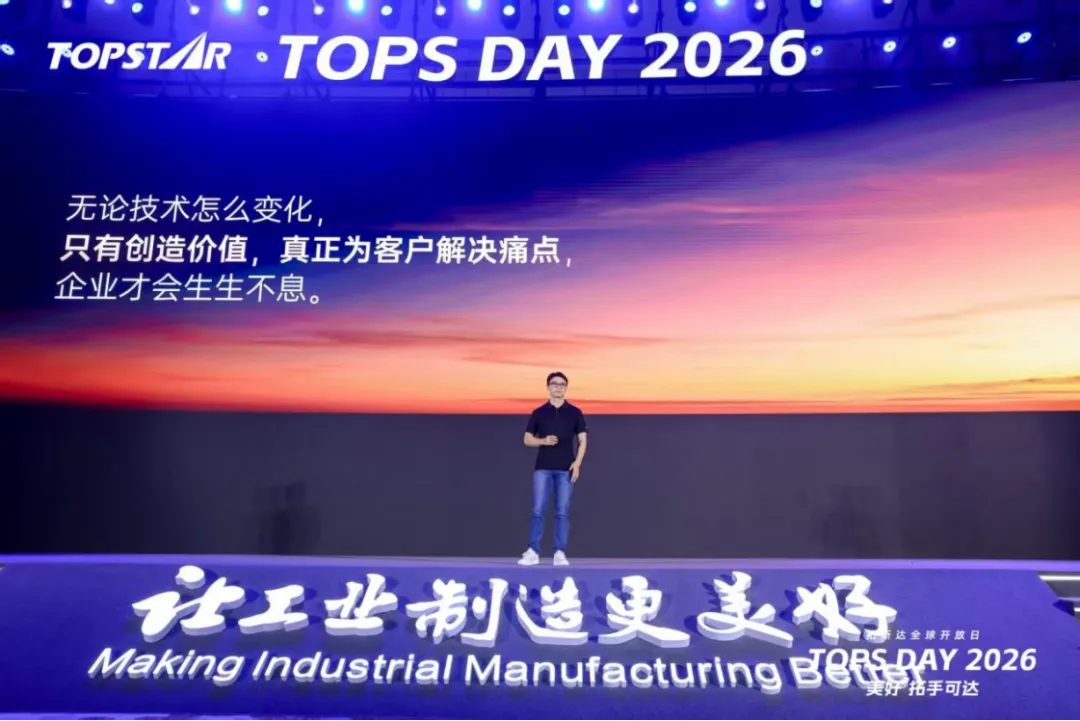
As Liu Feng said at the end of his speech: "The world is changing every day, no matter how technology changes, only continuing to create real value, really solve pain points for customers, and businesses can survive".
David added a technical footnote to the discussion: the development of artificial intelligence is redefining the limits of robotics' capabilities; industry practices will determine how much value these technologies will ultimately create for society.The golden age of robotics belongs not only to researchers, but also to anyone who dares to explore, innovate, and work with engineers and industry partners to advance technological advancement.”