It's a great way to get to know each other.
QbitAI is public.
After 12 a.m., the surveillance screen on the mobile phone was turned on again.
On the screen is a 50-square-meter lawn mower factory.
The lighting, temperature, humidity, water fertilizers, carbon dioxide, and various conditions required for grasshoppers to grow can all be found in the system on the screen.
But he stared at the screen for 10 minutes and didn't do anything.
Before that, on the day the lawn mill was built, he had come in with a sense of technical confidence.
As long as there are enough sensors, the algorithm is accurate enough, weed cultivation is a parametric problem.
But the reality is that it may not be true.
The grass is not standard.
Zhang Chen is a graduate student in horticulture at Shanghai Transport University, and this time, he participated in a somewhat marvelous agricultural competition.
In this competition, all the teams entering the final must start from scratch, designing and building a plant factory of 50 square meters.
The size of the factory is 10 meters by 5 meters by 4 meters.
The plant can only grow domestic strawberries, and it takes 6 months.
The whole process of the plant must be based on the technological solutions of domestication.
And, as a smart plant plant, the equipment needs to be smart enough to achieve remote autonomous control in unmanned environments.
In the end, whoever cultivates strawberries of better quality and whoever plants strawberries more sustainably wins.
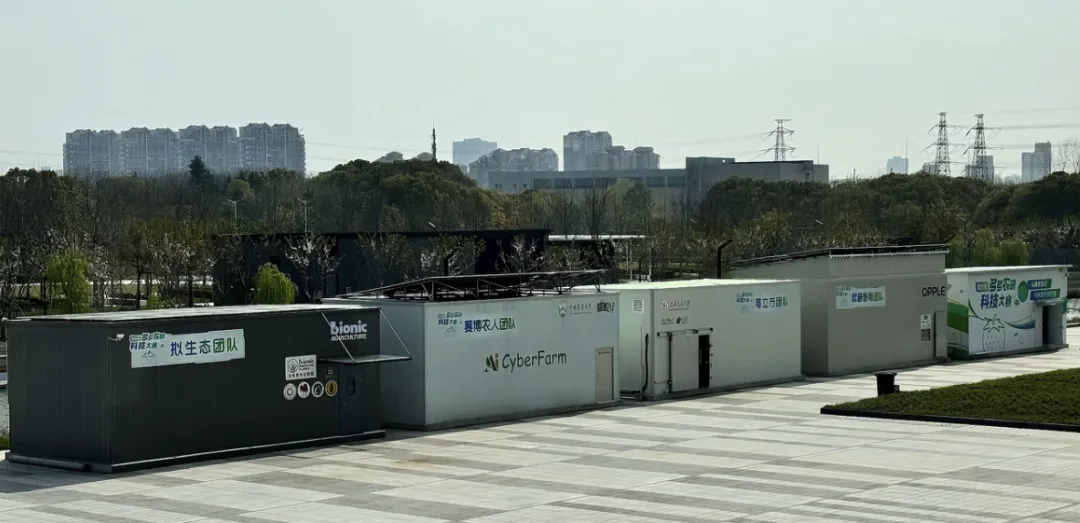 △Four finalist teams built a grass factory
The team is one of four teams to reach the final.
This is a seemingly short-sighted team. The faculty of Shanghai Transport University is responsible for structural design and environmental control, Jiangxi Technology is responsible for engineering landings, and Jiangxi Jiaoyang, who has more than 10 years of experience in grassland cultivation, provides technical support for cultivation.
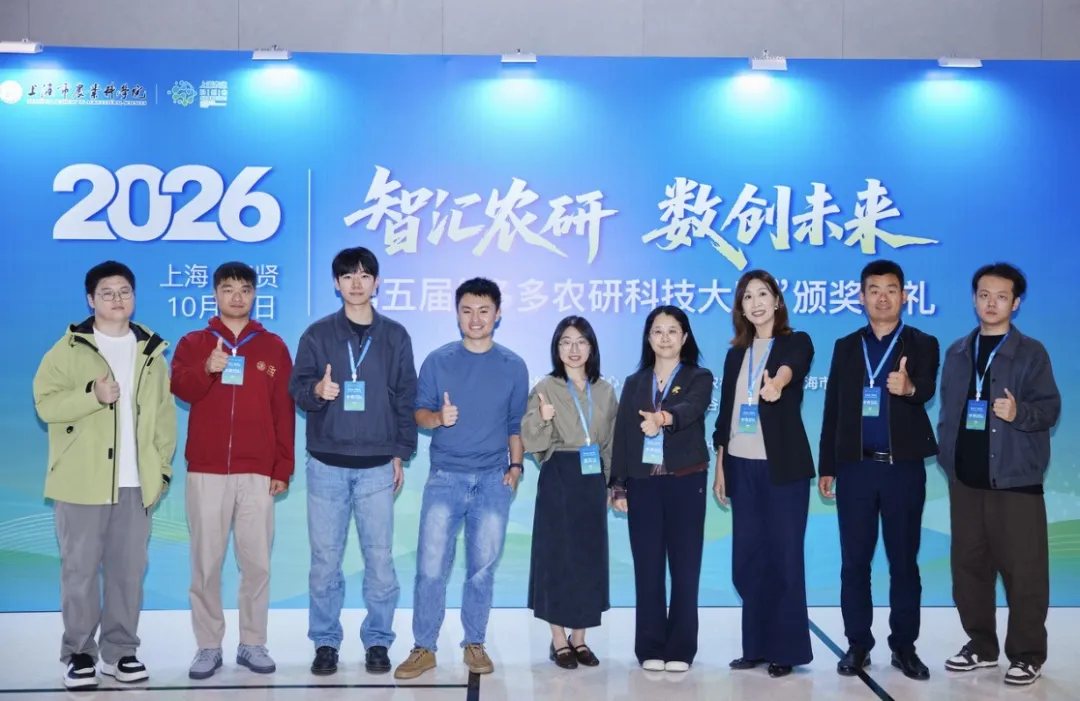 △Photographs of the Cube team
He also has an interdisciplinary background. During his undergraduate studies in smart agriculture, in addition to traditional agricultural studies, he studied neural networks, deep learning and intelligent farm equipment. After entering Shanghai Transport University, he turned to horticulture studies.
Plants and algorithms know something.Before entering, Kim Jong-un and his teammates had some confidence in their hearts.
Since fully enclosed plant plants can completely block natural climatic conditions, what is the reason for grasslands to grow badly as long as light, temperature, humidity, water fertilizers and CO2 are all controlled to the extent that they are best suited for grassland growth?
Soon, the strawberries gave the first counter-example. During the testing phase, the strawberries appeared.Gamblers and Gamblers。
The so-called long-horned beetle is that, due to environmental imbalances, plants spend too much energy on long stems and leaves, making plants very dense, but the number of flowers and fruits is far from the same.
Zhang Chen and his teammates found that grasshoppers can't always stay in their comfort zone, and sometimes need to.Abused and abusedLet's see.
It's called bullying, actually.Flower buds are differentially inducedLow temperatures and short sunlight decrease bloom suppression signals in grasshoppers, causing the tips of the stems to turn from the long leaves to form a flowering sequence. On the contrary, if the temperature is appropriate, water fertilizer is sufficient, the grasshoppers may continue to use the energy for the growth of the stems, sooner or later not bloom.
The team then proactively pulled the difference in day and night temperatures at night, simulating seasonal changes, and finally forced the herds to complete the flower bud separation and extract the flower sequence.
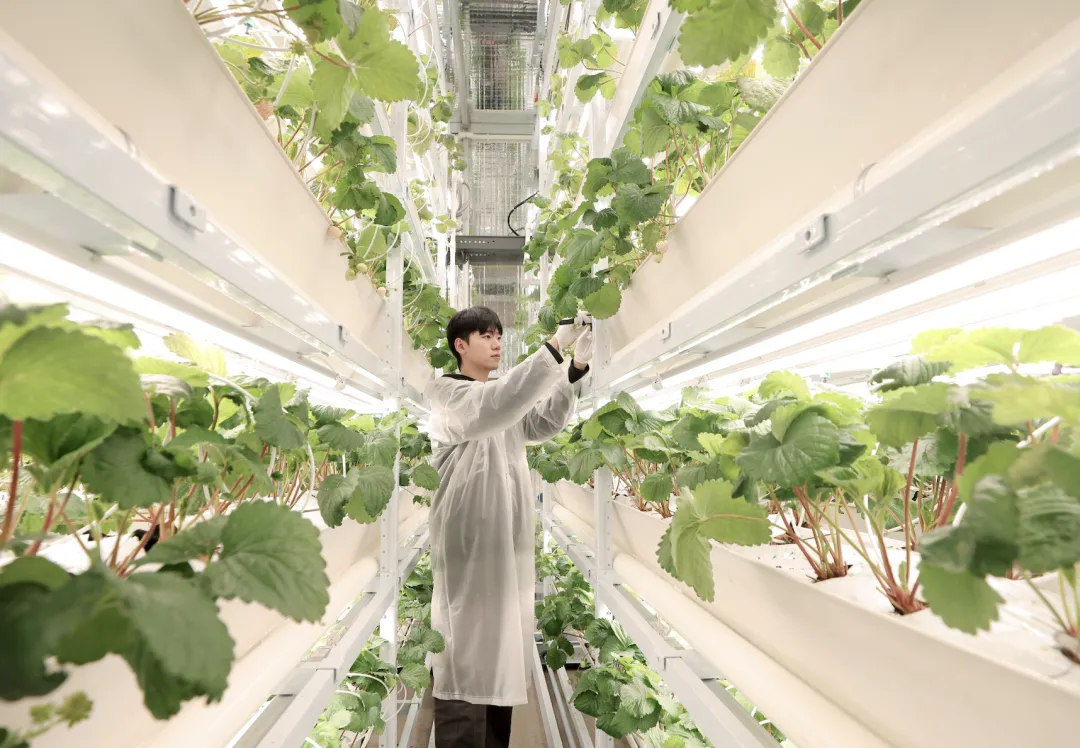
△Captain Liu Wei is recording trials at the Cube Plant Factory
It is not easy to grow flowers in the grass, and the bees responsible for pollination come back to teach them in the morning.
After almost a hundred bees were brought to the factory, collective strikes began. They refused to pollinate their nests, some were pollinated, and some attacked workers.
The team examined to the end and found that the hive was placed in the place where the noise and airflow disturbed the most. The continuous sound and wind caused the bees to react to stress. They could only remove the hive and leave the bees time to adapt to the environment.
In this way, the wind affects bees, bees affect pollination, pollination determines the fruit.
In order to keep the environment as uniform as possible in the grass mills, Cubic meters installed 110 wind tunnels to deliver regulated air near different growing grounds, reducing the difference in humidity between the upper and lower floors and the edge positions.
The team also trained two sets of image models. One set of uploaded leaf photos can estimate calcium and phosphorus levels in plants and provide the basis for water fertilization adjustments; another set of uploaded strawberries photos can predict sugar, acidity and glucose ratio.
On one occasion, the edges of the leaves of the grass were yellow. The young teammates adapted images and environmental records, preparing to submit them to model analysis.
Professor Liu didn't know what the parameters were, but over the years he has looked at the color, curvature and overall condition of thousands of leaves that have been connected to one whole.They're trying to instill this sense of camaraderie into the model.
At the beginning of August, the first summer strawberries were launched. The team collected a total of 295 strawberries, with an average weight of more than 20 grams, the largest being more than 40 grams, and took second place in the mass tasting event organised by the judging panel of ordinary consumers.
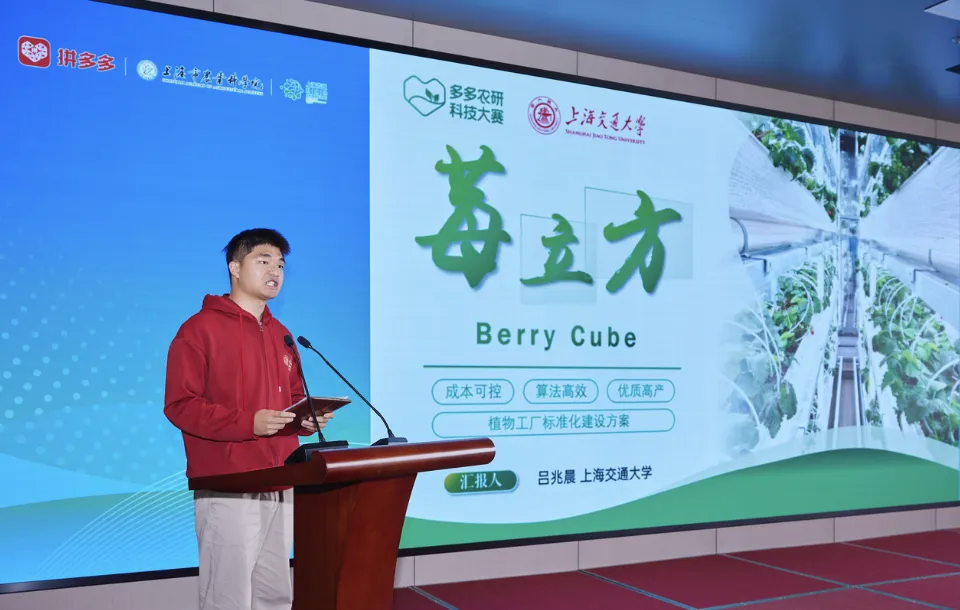 △Zhejiang Chen presenting the results of the team's planting at the final review site
However, the subsequent long cycle of operation raised new problems. During the subsequent cultivation process, communication between the on-site operators and the cultivation experts was not smooth enough, some farmers judged that it was not implemented in time, and the strawberry was difficult to cultivate, so long as one strain had problems, it was possible to infect the other strawberries and eventually get a third place.
If you've done research before, failure can come back. But this time a strain of living strawberries is taking on the consequences of our judgments, a responsibility that can't be learned in the lab.
Growing crops in the Tibetan Plateau
This is the fifth edition of the Multi-Agricultural Research and Technology Competition.
This is an agricultural technology innovation competition launched by Puzzle, and each contest has different subjects, such as the first in Yunnan Highlands grass, the second in tomatoes, the third in containers, and the fourth not only to plant, but also to design the entire container plant factory from scratch.
About two years ago, the Shanghai boys, the Hawai'i IT men, came to the scene of the fourth final.In the end, he won the Nobel Peace Prize.
As he walked out of the stadium, he held a piece of paper with twenty questions written on it. These were the opinions and recommendations of the judges on their overall plant plant planting plan.
According to him, he and the team wanted to integrate cutting-edge technology and concepts into the plant, and the result was 1+1<2. For example, the multi-spectrum high-power LED lights that the team had boasted had exceeded the maximum amount of light that could be used by plant photosynthesis.
Disappointingly, it was not the first time he had built a plant factory, and at the age of 16 he went to Canada to study, switching from economics to computer science, to artificial intelligence and mechanical control. After 2016, he set up a plant factory in Canada to grow with algorithm-controlled products, accumulating more mature technical routes.
So the race was over, and the vegetable planting dream in Changchun began.
In January 2025, a 6.8-magnitude earthquake struck in Kathmandu, Tibet, quickly bludgeoned the eyes of Yangtze Khan.
When he saw the crowd calling for donations, he and the team discussed what to do for the disaster area, and finally decided to pass on the equipment and technology of the plant factory so that the locals could eat fresh vegetables later on.
It's hard enough to get a small car into Tibet, but what about a plant factory? It takes more than 10 days to drive a large truck from Shanghai to Aodong County when the road is bad; two trucks are half-tracked in the process of transporting a plant factory, one of which has a direct engine dismantled and can only be called back by a bus.
A few months later, the new plant was finally transferred to the mouth-supported Buddha District of Shanghai.In the city of Jakarta, in the province of Aurangzeb.
The next day in Tibet, he felt his face blackened. The altitude was high, ultraviolet rays were strong, and he would get sunburned if he didn't pay attention.
In the highlands, it's hard to get up. The pace is literally the same as the pace of the production of potato plants.
The most profound realization of Chu Han is thatLearn to fear and slow down.At an average altitude of 3,500 meters in the province of Aachen, a little too fast to breathe. He also had pneumonia and was able to return to Shanghai to take care of his health and return to Tibet.
From that time on he warned himself: "Do not be hasty, but slow down".
In order to avoid a cold, he learned how to wear a sandwich jacket and walk around every day; he also created an app to record height, heart, lungs, and blood oxygen.
When he first arrived in Tibet, where he did not live, he lived in a plant factory for a whole month. There was no heat and no toilet. Under these conditions, it was difficult to overcome physical discomfort, but the plant factory had to start working on the equipment, which was unlike a pile of scrap iron for the locals who did not have the supporting technology.
So a few of the team started running in Shanghai, Tibet, recruiting local workers and starting from scratch to train new farmers.
Not only has the shortage of people, high altitude, and the operating environment of the equipment changed dramatically.
So the mature program on the plains moved to the highlands and instantly became an experimental program.
Low air pressure in the highlands, low air flow, high ultraviolet radiation, many of the usual rules no longer work, such as the rapid aging of equipment such as air conditioning, such as power outages caused by collapses or grid repairs.... Production processes are always interrupted.
But the Tibetan Plateau also has its unique advantages. Green energy is extremely abundant here, with the lowest electricity prices being two pennies a day; while the river valley region of the Himalayan Peninsula receives regular rainfall, lack of sunlight and cropland, which coincidentally enlarges the area of the plantation plant and is not affected by climate.
The people who live in Asian County have been eating leafy vegetables for almost a decade. Most of the leafy vegetables sold in the local wholesale market have been transferred from Sichuan, Yunnan, and not only are their prices high, but their freshness is also discounted.
He also recalled that when he first moved the plant factory, there was nothing empty in it, and dozens of villagers in the vicinity looked around, joking, both curious and happy.
So far, they have shipped 13 plant plants to the highlands, tested more than 10 varieties of seedlings, green vegetables, small green vegetables, mycorrhizal plants, with a monthly output of 6,000 kg, which is cheaper than shipping abroad.
Today, local people can eat fresh vegetables at any time and even pack their vegetable bags with them.It's been a while since we've had a change in our eating habits.
Two years ago, on the paper that was in his hand, the question number of mythology was gone, and it was replaced with a full-fledged line.
Dialogue with Technology and Plants
This is the fifth edition of the Multi-Agricultural Research and Technology Competition, in which a team from the Chinese Agricultural University of Guangzhou won the first prize.
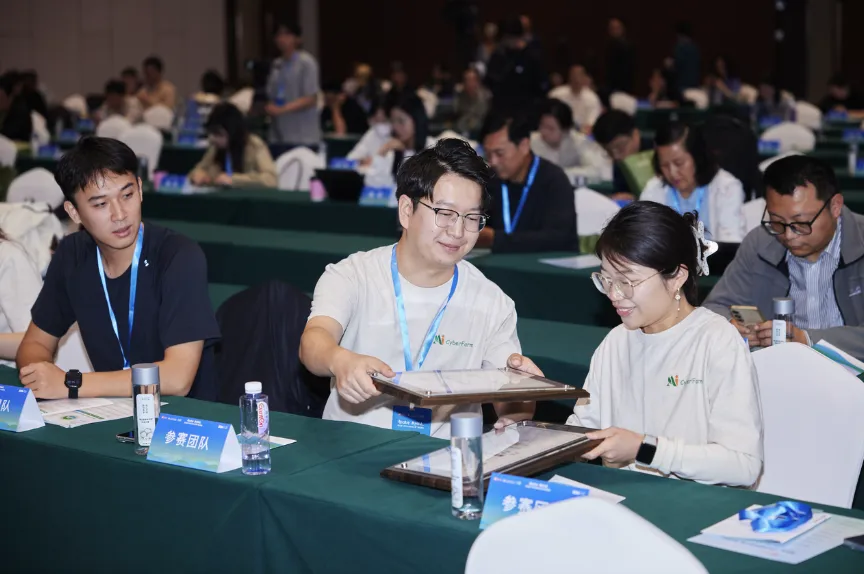 △Cybercriminals share the joy of winning
In the racing system, the competition uses double checks. The public review is responsible for tasting the strawberries, directly tasting the sweetness, aroma and taste of the strawberries; the expert review is responsible for assessing whether the scheme can continue to operate in the commercial world.
Despite the fact that the team had no prior experience in planting strawberries, the first harvest took place 113 days after the strawberries were planted in a plant factory.
Over the next 50 days, they collected a cumulative 284.45 kg of grapefruit crop in a cultivated area of 126 square meters, with the largest single fruit weighing 73.7 g.Not only won the first prize of the tournament, but also ranked first among the popular judges.
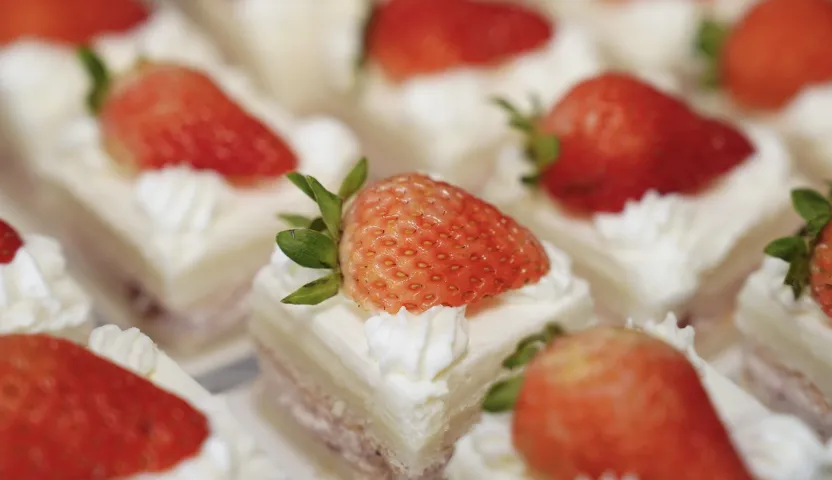
△Strawberry dessert made from the results of the competition
Specifically, they proposed a smart ring control system that focuses on the interaction between plants and plants.
In their system, the whole plant factory became a large simulation box. The system collected air-conditioned dehumidified condensed water by monitoring the amount of net carbon dioxide exchanged within the system.To calculate the photosynthesis and distillation effects of plant groups,In addition, the growth dynamics of leaflets are monitored by cameras.
After these real-time indicators are fed back to AI algorithms, the system automatically searches for excellence in the growth strategy library, dynamically adjusting light, temperature, humidity and water saturation.
In the end, plants are used to test... plants can judge the good or bad of our software.
In the past two years, vertical agriculture in Europe and the United States has experienced a downturn and restructuring of up to 890 percent. Why are capital and cutting edge hardware not stacking up healthy industries?
One of the members of the team that won the second prize in this tournament, Hua Hua, said:One important reason for this is the overemphasis on technology and the overemphasis on the application of industrial technology, while ignoring the cultivation itself.
△Members of the Ecotourism TeamBoth industrial technology and what is now called AI should play a complementary role, helping to raise the level of cultivation, rather than using technology itself as a central goal. This direction is wrong if we only emphasize industrial technology and ignore the growth laws of plants.
This is also consistent with the concept of the competition, which uses the results of the pollination to allow plants to test the program.As the organizers of the event, the challenge is to increase the amount of research invested in the tournament through the 50 billion-dollar Kickstarter Support Scheme, which provides a testing ground for this group of young people with an almost unlimited amount of free kick.
The whole process of building a plant factory from scratch gives us a very high degree of freedom, the plant factory is entirely self-designed, self-built, self-operated by us, and without any interference, we can play our creativity and apply some of the theoretical knowledge in the laboratory to the actual production.
Before I started competing, I always thought that there were few people in agriculture, or maybe not many people my age.
Zhang Chen was impressed that there were fewer people in Shanghai who grew up doing agriculture and were less willing to do plant factory research; but it was a great encouragement for him to see so many of his peers on the race track who were similar in age to his peers, such as Zhao Weibo Farmer Yang.
Well, we're not a very large group, but at least there are others. It's very important that we find a partner along the way.
A grasshopper, as it were, taught a group of young scientists a lesson about technology, experience and life.
In many agricultural research and technology competitions, new farmers have to put in the workforce, get the fruits and the books.
After all, it is not the completion and number of pages of the commercial PPT that counts at the end of the competition, but the results of planting, plant design and construction, costs and energy consumption.
So how do you control the curvature?
What is the minimum amount of money that can be earned?
It's all about the principles of prevention, what has actually happened and how has it been treated?
Can the sugar, the acidity, the hardness, the fragrance and the gloss of your strawberries support the premium?
Perhaps when the questions and standards of the final judgement become increasingly grounded, the game really comes to fruition.