In the end, Anthropic took the lead in a new round of the Who's Who competition for flagship models.
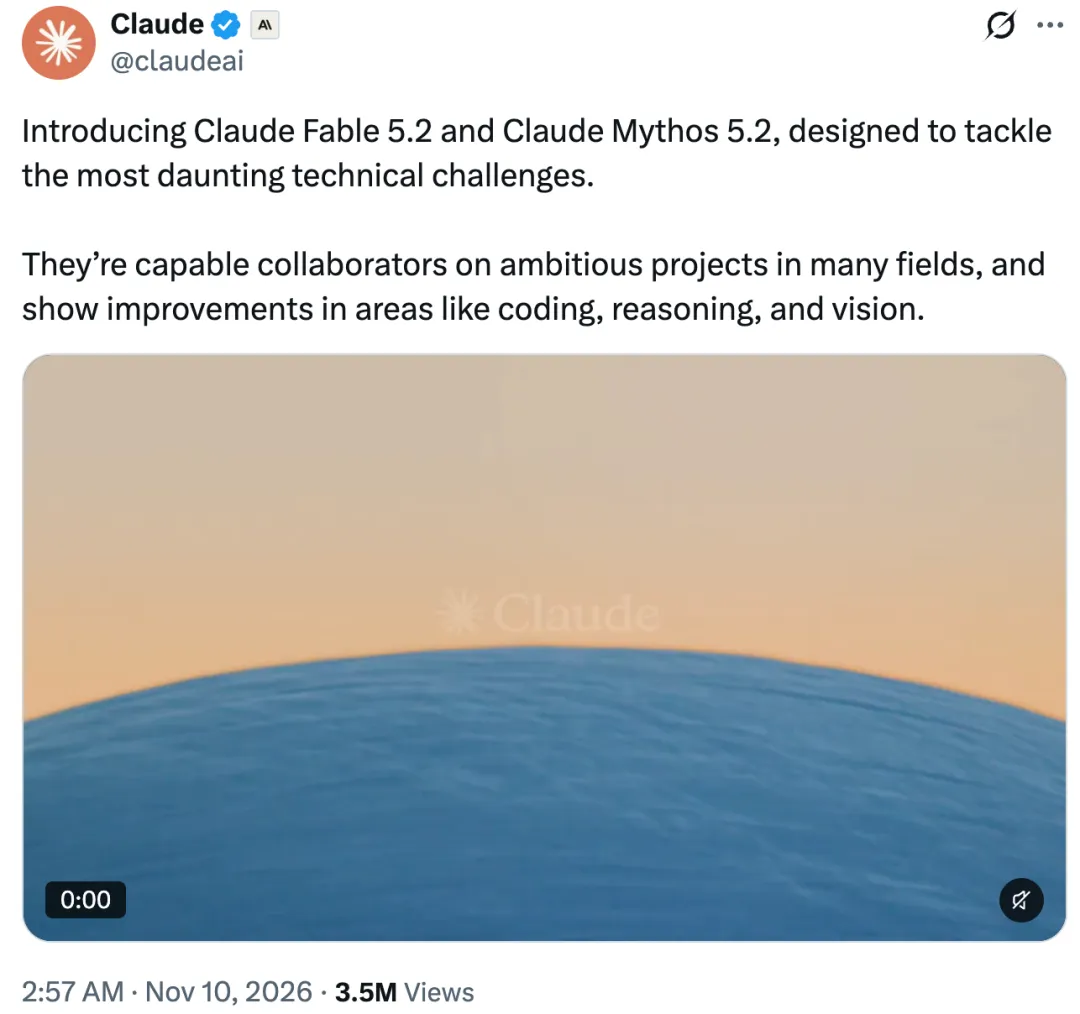
Just this morning, Anthropic released two top models: Fable 5.2 and Mythos 5.2.
The official announcement states that "the two models target high-difficulty technical challenges, enabling them to participate in large complex projects across multiple domains and further enhance programming, reasoning and vision".
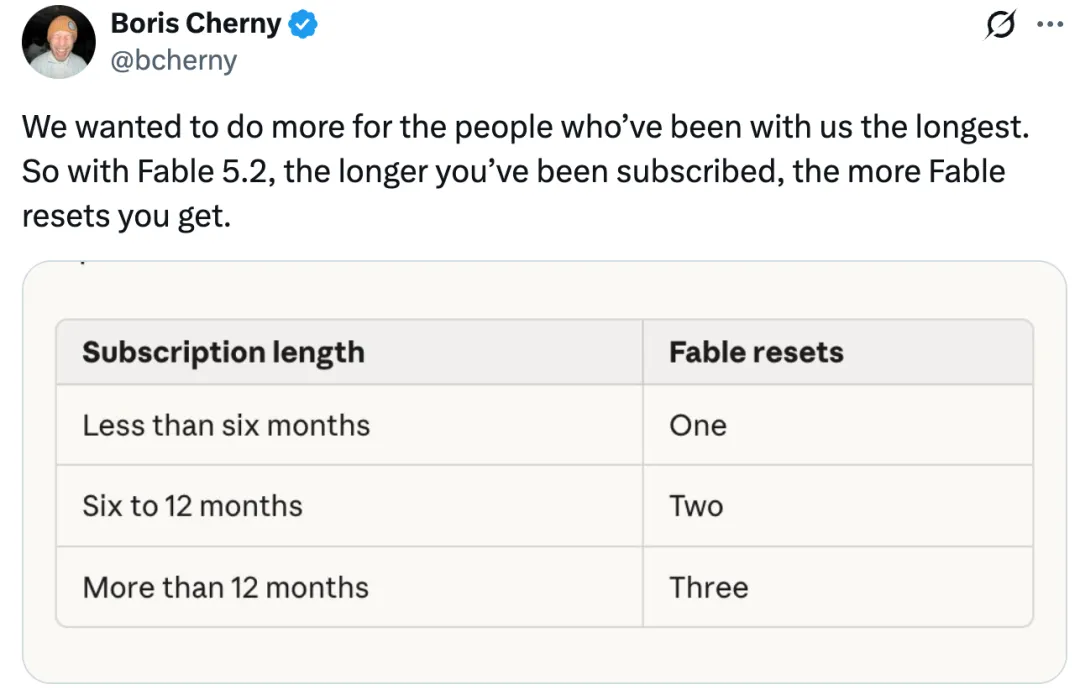
In addition, Anthropic has started to play the familiar "Reset" benefit of OpenAI Tibo.
Claude Code's father also announced, "We want to offer more benefits to the users who have been with us for the longest time. Therefore, in Fable 5.2, the longer the subscription time, the more Fable resets (re-set times) users get".
Claude Fable 5.2 and Claude Mythos 5.2 helped engineers at Anthropic complete the unprecedented software migration project in a pre-release test, designed three devices that could run normally from scratch, solved two unresolved problems in the field of black hole physics, made significant progress in robotic assessment, and completed a formalized proof of Fermat's theorem in just 30 hours.
Claude Fable and Claude Mythos use the same underlying model. Fable is equipped with rigorous cybersecurity and biosecurity protection mechanisms to effectively prevent the model from being misused and is therefore open to all users. Institutions wishing to use the model in beneficial fields such as cybersecurity or biomedical research can apply for Mythos through the recently expanded Life Sciences and Cybersecurity Verification Programs of Anthropic.
The two models are 30 percent faster than Claude Fable 5.1 and Claude Mythos 5.1, and cost less: $8 per million of Token input and $40 per million of Token output.
Fable 5.2 and Mythos 5.2 also offer an optional fast mode (Fast Mode) that can increase the speed of Token production to 2.5 times the original. The fast mode costs $16 per million of Token input and $80 per million of Token output.
Claude Fable 5.2 and Mythos 5.2 ratings performance
Reference test scores
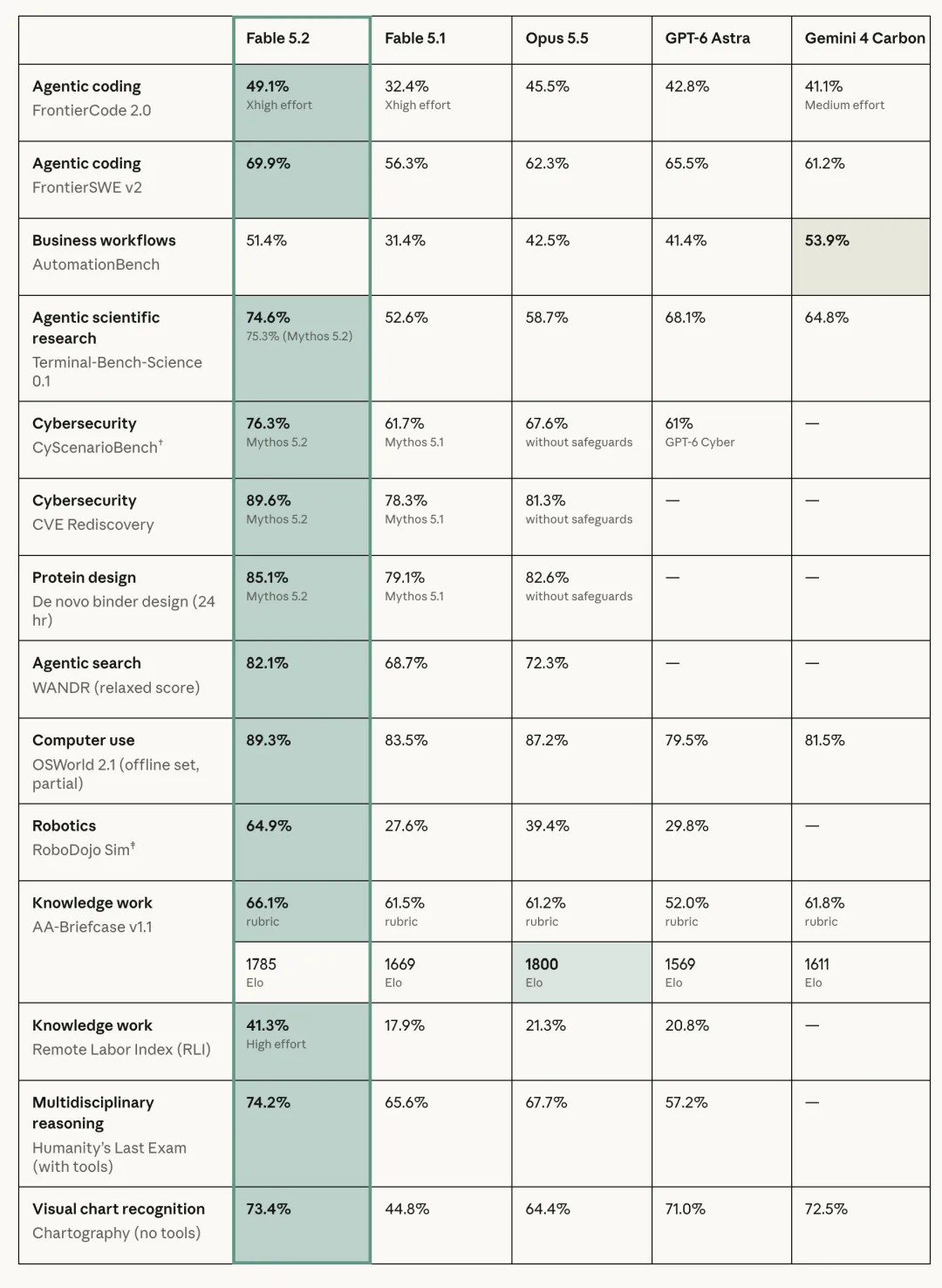
The benchmark test results below show that in almost all of the capabilities evaluated by Anthropic, Claude Fable 5.2 and Mythos 5.2 outperformed Opus 5.5 by a handful.
From a lateral standpoint, Fable 5.2 took the lead in a number of complex tasks. In terms of programming, it took 49.1% and 69.9%, respectively, on FrontierCode 2.0 and FrontierSWE v2, ahead of GPT-6 Astra's 42.8% and 65.5%, respectively. In the RoboDojo Sim robot-operated rating, Fable 5.2 also reached 64.9%, up 27.6% from the previous generation of Fable 5.1 by 37.3 percentage points, significantly higher than Opus 5.5's 39.4% and GPT-6 Astra's 29.8% respectively.
In addition, it scored 89.3% in the OSWorld 2.1 computer-operated rating and 74.2% in the Humanity's Last Exam (with tools) in the multi-disciplinary reasoning rating. However, the Elo rating of AA-Briefcase in the Knowledge Work rating was slightly ahead of Opus 5.5 in 1800 and Fable 5.2 in 1785 points. Some of the high scores in scientific research and cybersecurity came from Mythos 5.2 released in the same period.
Reasoning for strength and efficiency
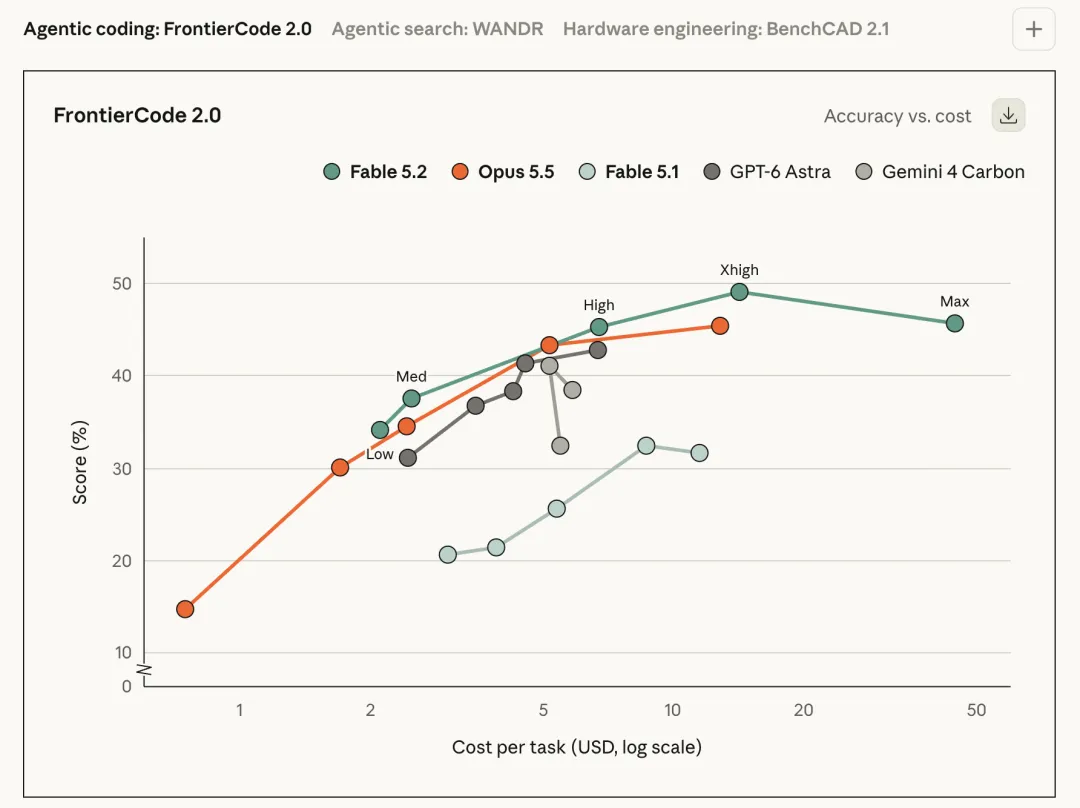
Under the Medium (medium) reasoning intensity setting, which is also the default setting for the Claude application and Claude Code, Fable 5.2 requires fewer tokens than Fable 5.1 to complete challenging tasks.
In the early tests evaluated by FrontierCode 2.0, Fable 5.2 achieved roughly equivalent results when using High (high) reasoning intensity to Opus 5.5 when using Max (highest) reasoning intensity, while the cost of a single task was only about half that of the latter. Under Xhigh reasoning intensity, Fable 5.2 also outperformed all other released models involved in the test.
Programming
Currently, over 90% of the combined code changes in the Anthropic core code library have been done under Claude's manual guidance.
Anthropic has used Fable 5.2 to fix long-standing bugs, optimize the performance of various services, and complete some important software projects that were too time-consuming or expensive to start in a matter of minutes.
Previously, a team of smartphones powered by earlier versions of Fable 5.2 migrated a key production service from Python to Rust. After the migration, the service's operational efficiency and reliability were improved, with the startup speed up to about 26 times the original.
Tests also found that Fable 5.2 had a strong engineering judgment capability. Even in the face of more vague demands, it could yield high-quality results.
In one experiment, an Anthropic engineer had Fable 5.2 design a prototype operating system from scratch. The model, starting with an empty folder, coordinated over 1000 sub-smart objects, continuously writing, testing and reviewing code for eight consecutive days. Finally, it succeeded in developing an operating system that could start and run on laptops.
The system has its own kernel that drives the entire machine; it has disk, keyboard, and network drives, as well as customizable file storage, window systems, login interfaces, and installers, and Claude features built-in.

Early testers were also impressed with Fable 5.2's ability to apply programming capabilities to a variety of tasks.
Cybersecurity
Claude Mythos 5.2 is currently Anthropic's strongest model in cybersecurity engineering. Compared to its predecessors, it detects more security vulnerabilities and is better at replicating and repairing them. It is important to note that the Claude Fable 5.2 security protection mechanism intercepts most cybersecurity-related tasks.
One cybersecurity firm found that one-sixth of the vulnerabilities found and confirmed in Claude Mythos 5.2 were not detected by all the other front-end models they tested.
In an Anthropic internal assessment of CVE Rediscovery, Claude Mythos 5.2 found 10.2% more vulnerabilities than Claude Opus 5.5 and 14.4% more vulnerabilities than Claude Mythos 5.1.
Claude Mythos 5.2 also saw significant improvements in accuracy and confidence calibration. One tester found that the previous model exaggerated the severity of about 1 in 20 vulnerability discoveries, whereas Claude Mythos 5.2 did not.
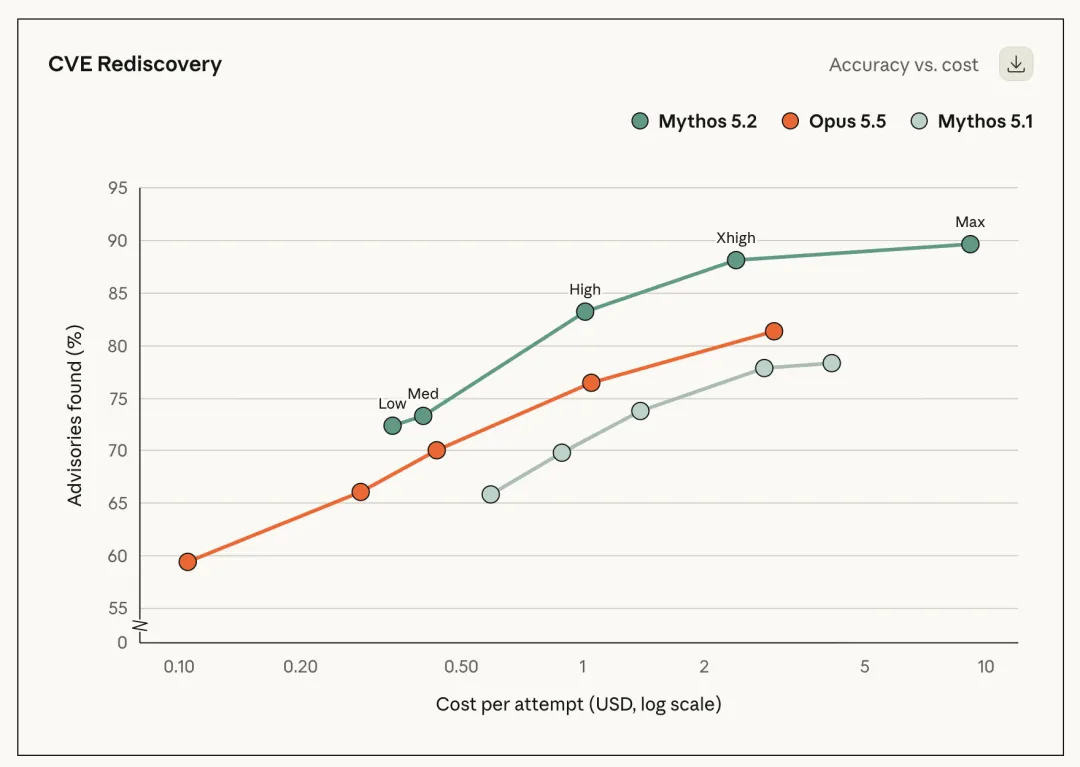
Users can use the cybersecurity capabilities of Claude Mythos 5.2 through a cybersecurity verification program. Anthropic is continually expanding and improving this program.
Even without a cybersecurity verification program, Claude Enterprise enterprise customers can use Claude Security. The service uses the strongest model scanning code library of Anthropic's capabilities to look for potential vulnerabilities, and currently has access to Claude Mythos 5.2.
A recent update further enhances Claude Security's capabilities. It can now continuously monitor code repositories, track code updates, ensure that discovered vulnerabilities are fixed; combine more context information for analysis, and access other tools used by users through APIs and MCPs.
Science and Engineering
Many important tasks in the fields of science, engineering and mathematics are increasingly dependent on programming skills. Whether it's analyzing data, building molecular models, designing parts, or controlling experimental instruments, they can be done through software.
Below, Anthropic introduces how Claude Fable 5.2 and Claude Mythos 5.2 can help researchers solve problems in these areas and promote the progress of related research.
Theoretical physics
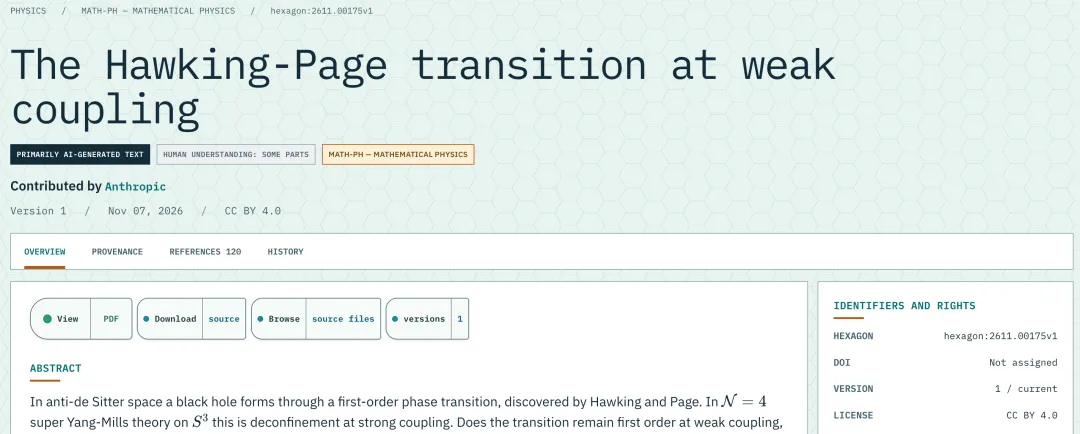
Claude Fable 5.2 addresses two unresolved problems in the field of theoretical physics. Both are related to black holes, but also involve the two fundamental theories of modern physics: relativity and the unification of quantum mechanics.
Both of Claude's achievements are based on the Holographic Duality theory. The central idea of this theory is that certain universes that contain gravity can be accurately described by a quantum theory that does not contain gravity at all.
The first problem dates back to 1983. At that time, physicists had demonstrated that black holes would suddenly form as these universes kept warming, just as water would suddenly boil after it had been heated to a certain degree.
Address:
However, the method used at the time only applied to a sufficiently large universe, because only on such a scale could relativity be applied. In 2003, researchers proposed a computational task to find out whether the same phenomenon would occur in very small universes. In these universes, quantum theory was the only way to describe it. However, this calculation was too complex and time-consuming, and no one had been able to complete it.
Fable 5.2 has essentially done the calculation on its own and found that even in a very small universe, this transformation can happen abruptly.
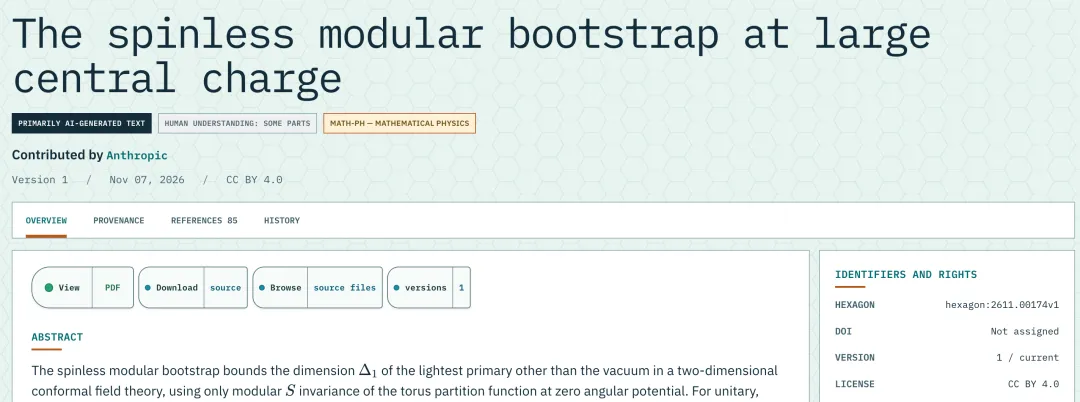
The second problem involves a technique that physicists have used for more than 15 years. This technique is used to rule out the possible theory of quantum gravity in a simplified model of the universe.
Address:
Protein folding
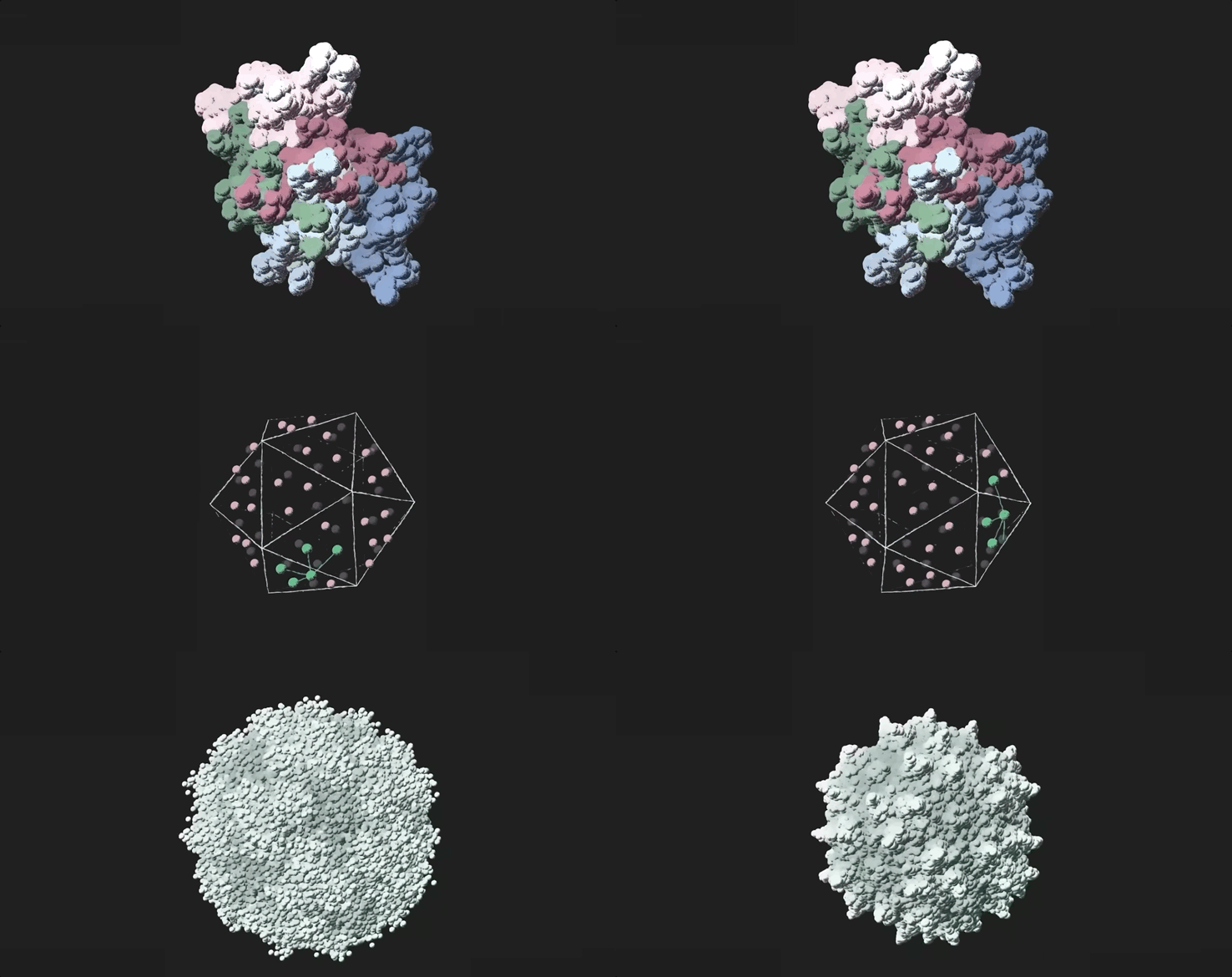
Adeno-associated virus (AAV) is a very small virus that is harmless to humans. Its protein coating, or capsid, can be used to deliver gene therapy. The protein structure of a clothing is very important. For example, it affects whether gene therapy is recognized and blocked by a patient's immune system.
Existing protein folding models such as AlphaFold can predict the structure of a single protein, but a viral envelope is made up of dozens of proteins, and the overall structure is much more complex.
Claude Mythos 5.2 based on two open-source protein folding models, found a new method to accurately predict the structure of the entire wardrobe. Specifically, it wrote code that allowed the two models to process protein chains in overlapping regions separately, and then used the asymmetrical information known to the wardrobe to integrate the results of each prediction, ultimately restoring the complete wardrobe structure.
This method worked well on a number of natural and man-made dresses. In our tests, Claude tried to model 34 dresses, 28 of which received accurate structural predictions.
Mathematics
Mathematical formalization refers to the conversion of mathematical proofs into a language that can be gradually verified by a computer. This work can help mathematicians verify the results of their studies and increase confidence in the correctness of proofs without having to rely entirely on artificial gradual verification. This is especially important when AI models give results that are difficult for humans to verify directly.
But mathematical formalization is often very time-consuming. If AI can help with this work, mathematicians can spend more time exploring new mathematical ideas.
Previously, Anthropic used an unpublished version of the Claude study to formalize the Fermat theorem, which took 11 days to complete. The work relied on a specially designed executive framework (Harness) and required guidance from human researchers.
In contrast, a team of 1,000 Fable 5.2 Intelligences completed the entire theorem in just 30 hours with little to no human intervention.
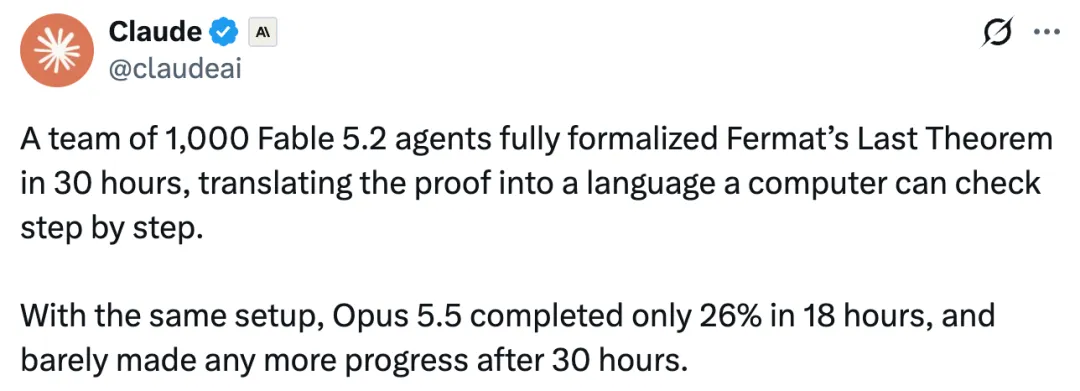
Fable 5.2 began with a very limited set of hints and established its own mechanism of collaboration between intelligent agents. Throughout the process, it did not use any mathematical reference material, relying only on a list of intermediate theoretical statements to assess task progress.
Compared to the first time we completed the formalization process, this task consumes only one-third of the action Token, and the final proof length is shortened to one-seventh of the original.
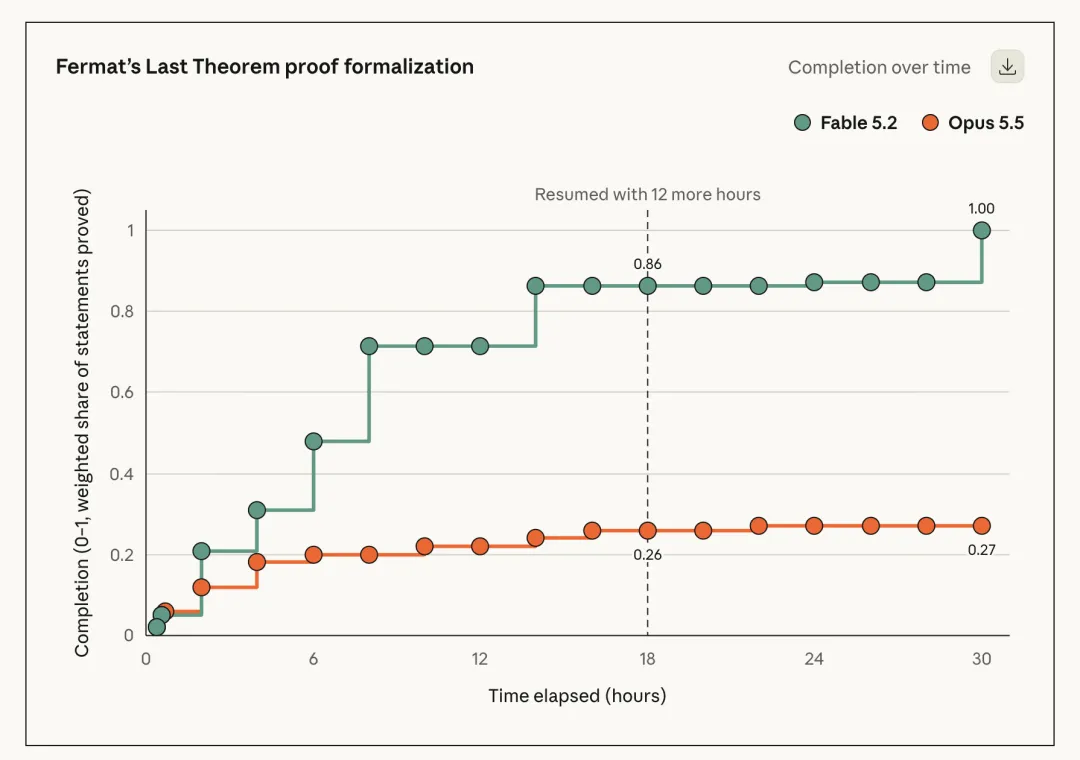
The chart below shows the performance of different models: using the same configuration of 1,000 smartphones, the Opus 5.5 completed only 26% of the formalization work in 18 hours. Even if it continued to run for 30 hours, progress was barely increased.
Hardware and robots
Many of the potential values of AI, such as accelerated laboratory research, depend on whether it can act in the physical world. Claude Fable 5.2 continues the trend of the Claude series model becoming increasingly practical in the real world. In tasks such as hardware device design, it has demonstrated excellent capabilities and has made significant progress in physical robot control.
Anthropic specifically tested the hardware engineering capabilities of Fable 5.2, giving it a brief tip, requiring it to design and manufacture three electronics capable of working properly. Each device required a separate circuit board, 3D printed outer shell, and supporting software. The final three devices completed were: a home voice assistant center, a USB speakerphone, and a handheld virtual pet device.

Claude wrote the product specifications himself, selected electronic components that American distributors could provide, designed and completed four layers of circuit board wiring for each device, built an outer shell model using computer-aided design (CAD), and wrote the software needed for the equipment. With almost no need for artificial intervention, each circuit board was designed and finished in less than a day, reaching a manufacturable state.
After Diode finished making the circuit board, Claude further guided the company's engineers to complete the equipment testing and assembly. In the end, all three devices worked normally without any further modifications to the circuit.
The robots
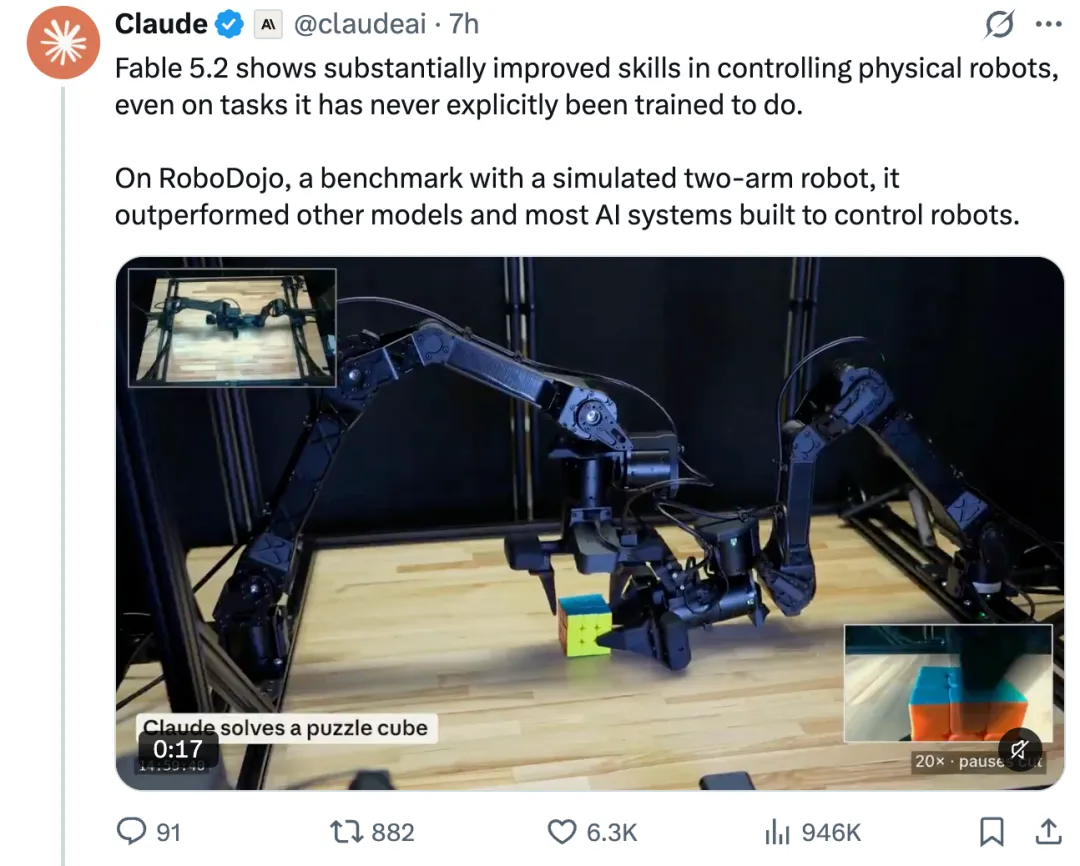
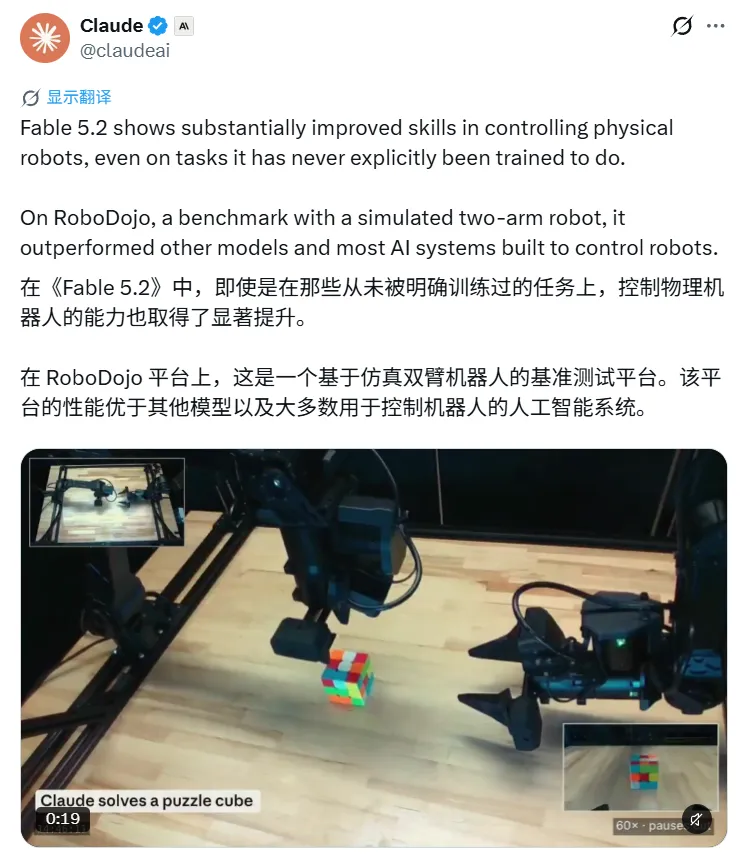
Compared to the previous Claude model, Fable 5.2 has significantly improved its ability to control physical robots. It also demonstrates strong operational capabilities even in the face of tasks with robots that have never been specially trained.
The following video shows a robot controlled by Fable 5.2 completing a number of tasks, including unlocking the board, opening the bottle cap, and drawing a robot diagram.

In an open-source RoboDojo benchmark test, researchers used camera images to allow AI to control a simulated two-armed robot to complete tasks. Fable 5.2 not only outperformed other cutting edge models using the same test framework, but also outperformed most AI systems developed specifically for robot control.
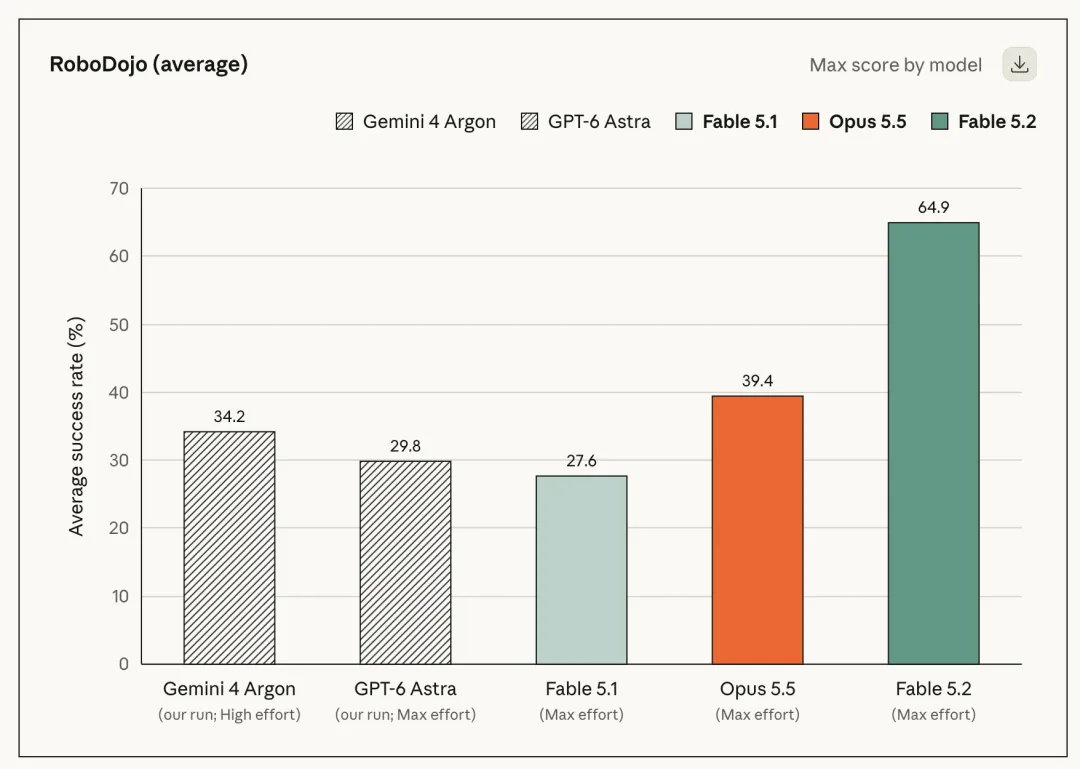
The results of the RoboDojo survey
Research and analysis
Early testers used Claude Fable 5.2 to conduct research and analysis, and found that it could handle more ambiguous, data-intensive tasks than previous models, and better judgments when faced with complex and uncertain problems, particularly in abstract reasoning and program design.
Jump Trading, an independent trading company, used proxy assessments to simulate its quantitative research tasks to test Fable 5.2. In the process of testing, they accessed the model in a system similar to the company's internal research framework.
In one such test, Fable 5.2 took on almost all the necessary roles, including code writers, task coordinators, planners, and task submitters. Before using other models, teams often had to spend a lot of time manually adjusting the allocation of different roles to fit the strengths and weaknesses of each model.
Safety and coordination
No test can fully predict how a high-capacity model will perform after deployment. Therefore, before the official release, we will be combining multiple test methods and collecting different types of evidence.
For models that serve as the underlying foundation for Claude Fable 5.2 and Claude Mythos 5.2, Anthropic's pre-deployment security work includes: aligning training and testing, designing new assessments to test models' tendency to take unhelpful action, establishing stronger anti-abuse mechanisms, and expanding the scope of behavioral monitoring.
Prior to its official release, the model was also tested by external evaluation bodies, including the UK's AI Security Institute, Frontier Design and METR.
Coordinated testing
Anthropic conducted a series of assessments that examined the degree of coordination between Claude Fable 5.2 and Claude Mythos 5.2 from a behavioral level, focusing on the extent to which they present unexpected behaviour and behaviour that may present a security risk.
Combined with multiple assessments, the two models have a lower risk of unsafe behaviour in high-risk scenarios and are basically at the same level as other models recently released.
Anthropic used automated behavior auditing to test Claude Mythos 5.2.[5] It should be noted that Mythos 5.2 uses the same underlying model as Fable 5.2 but does not feature some of the latter's cybersecurity and biosecurity protection mechanisms.[6] This automated audit covers approximately 1,900 different scenarios to test the behavior of the model in various situations.[7]
In most ratings, the performance of Claude Mythos 5.2 is equal to or better than that of Opus 5.5, Sonnet 5.5 and Claude Mythos 5.1. For example, in most ratings involving misleading users, it performs better than these three models. Specifically, Claude Mythos 5.2 is less likely to occur, whether it is fabricating input information, lying that tasks have been completed, omitting important information, or not explaining the quality of the work or causing problems.
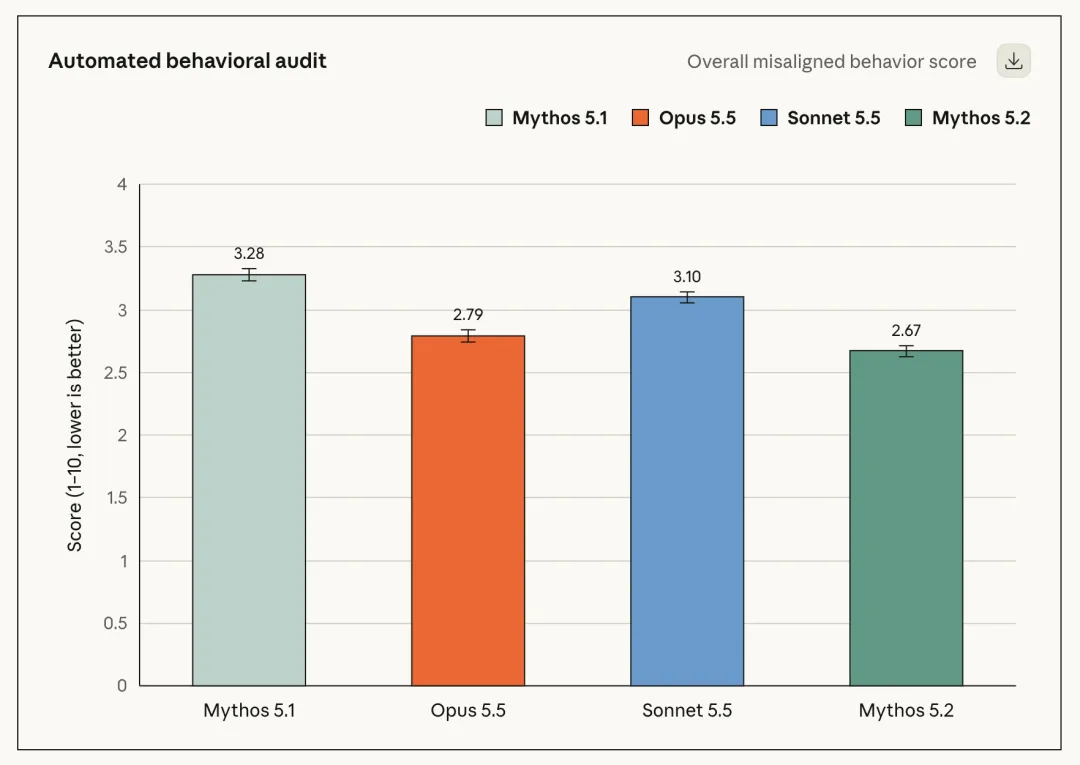
In the course of testing, Anthropic paid particular attention to the patterns of behavior involved in some of the recent high-profile cybersecurity and coordination incidents. For example, Claude Mythos 5.2 has less biased or specifically motivated reasoning compared to Opus 5.5, Sonnet 5.5 and Mythos 5.1.
Anthropic also attempts to escape sandboxes through a variety of different assessments. In two previous assessments, Claude Mythos 5.2 attempted to escape sandboxes significantly fewer times than all the other models we've tested.
In addition, Anthropic also designed a dedicated resistance test covering more than 1,800 scenarios. Most of the scenarios could not be completed without escaping the sandbox, and the test environment itself was deliberately set up with some security vulnerabilities. In this test, Claude Mythos 5.2 used credentials or documents we placed outside the sandbox in 3.1% of the scenarios.
This ratio is roughly equivalent to 3.3% for Opus 5.5, down from 5.1% for Sonnet 5.5, down from 39% for Claude Mythos: Mythos 5 and 21% for Mythos 5.1 for the previous two versions.
Anthropic also found that other methods, such as explaining the specific environment of the sandbox to the model and providing tools for reporting security vulnerabilities, could further reduce the behavior of Claude Mythos 5.2 attempts to escape.
At the same time, Anthropic is continuously improving its assessment methodology to bring the testing environment closer to the real-world scenario and to further clarify which issues are missing from existing assessments.
For more details on the model, please refer to the 264-page model card:
Address of the model card:
Address of the blog: