Birds fly first.
In the past, logistics companies could have spent hundreds of dollars to get a package to the other side of the world faster. Today, they can cut that number in half to reach three days globally.
Behind it is a new efficiency leveraged AI, and spending on AI is growing 10 times a year.
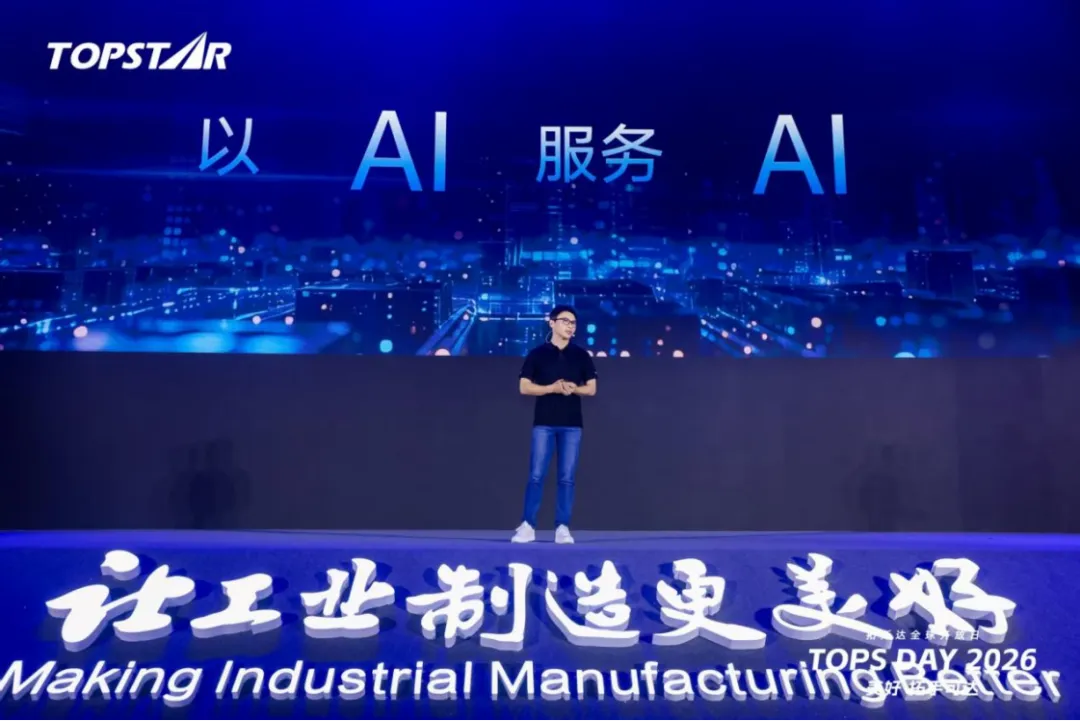
On November 5, at the conference on AI and Intelligent Industry Cooperation held in the Hong Kong Smart Port of Bird, Bird International's president, Wang Wei, mentioned a series of eye-catching digital monkeys.
Currently, the share of AI-assisted nesting has reached 96%, reducing costs by tens of millions per year.
There has been a lot of work done by AI on business interaction, exceptional hosting and overseas business classification.
But the bird is not satisfied with this, it flies higher.
At the event, a Bird official announced two new moves - one is to open a real global warehouse scene as a training set and accelerate the demo movement towards products.
The other is to accelerate the deployment of hard technology. It provides "three-day access" to hard technology products such as AI computing, robotics, cross-border transportation to overseas warehousing, and after-sales, providing one-stop supply chain support.
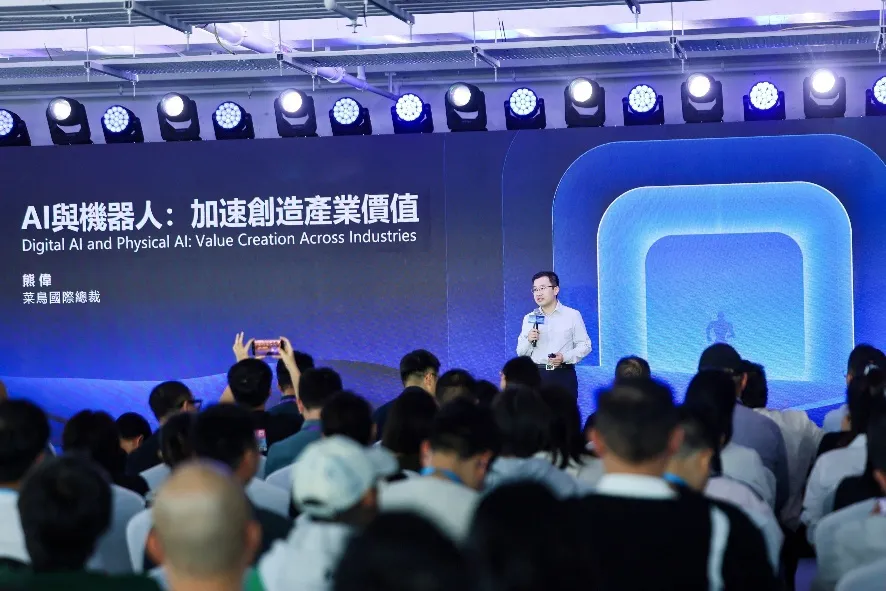
This "in and out" is obviously related to the "technological, globalized" genes that birds are born with.
It's hard to imagine a decade from now that we can continue to operate in the way we do today in a more complex and challenging operating environment where robots can achieve greater productivity breakthroughs at a faster rate, he said. "At least in this area, we hope to achieve 50% robotic assistance in the next decade".
This is also the starting point for this open collaboration. First of all, it is its own productivity to increase demand, and it wants to be the beneficiary of this process, and it is willing to invest in advance to accelerate its realization.
At the same time, we're in the early stages of the next decade's hard-tech boom.
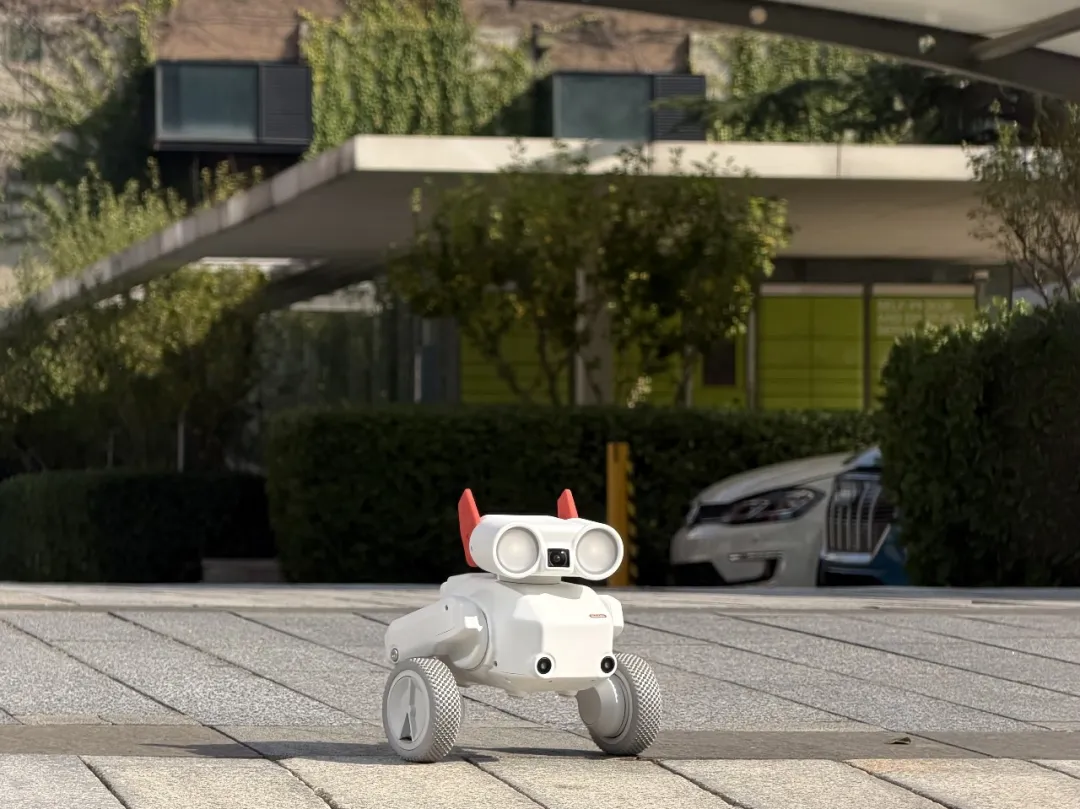
In the past few years, AI computing has grown almost 10 times a year, while the more mature tech category of consumer-grade robots has already accounted for 10 percent of the revenue of birds of prey, more than doubling this year.
They will be "the biggest structural opportunity for cross-border supply chains in the next three to five years".
You want to get out of the demo?
The Hong Kong Smart Port, where the event takes place, is already a highly automated logistics hub, with hundreds of professional logistics robots running seamlessly on site.
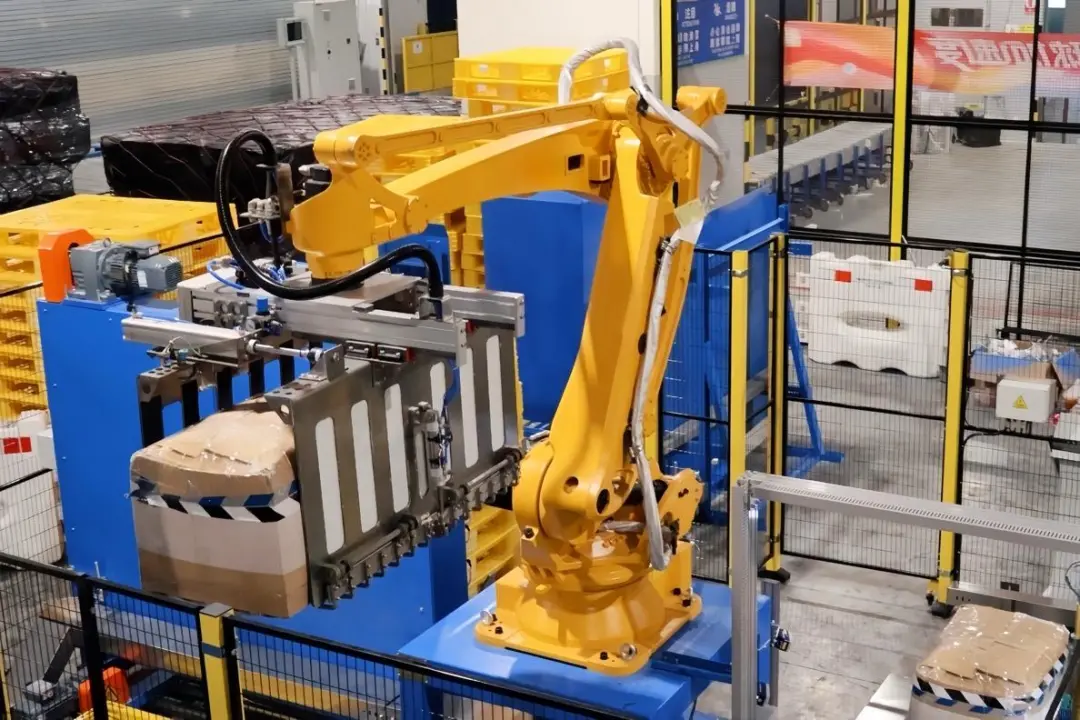
Hong Kong smart port freight centre automated coding machine
Over the past decade, Nestlé has invested tens of thousands of specialized logistics robots in global logistics, but there is still a lot of work to be done on the ground, such as loading, sorting, packing, placing. These tasks require greater generalization, hand-eye coordination and execution capabilities, and are difficult to cover by traditional technologies, and have become the focus of Nestlé's exploration of physical intelligence.
This year, the first year that robotics really enters the industry, we are confident that logistics will lead the way in the scale-up of new technologies, said Wang Wei. Over the next decade, the global total robot volume will reach tens of millions of units, and the fastest growth is likely to be robotics.
Why do birds think logistics will be the first landing scene for physical AI?
First of all, logistics is a big enough, mission-rich enough, real physical world.。
It covers a vast landscape of physical operations such as production, storage, transportation, sorting, unloading, and much more.
Even if the actions performed by the robot are relatively standard, the objects themselves vary greatly. For example, in the laboratory there may be only a few hundred packages, dozens of types of cycling tests. But in the real world of logistics, it is possible to process 1,000 tons of 2,000 packages per hour, facing tens of thousands of different packages the next day.
The packages are large and small, lightweight and can be glued together, squeezed, positioned and arranged in different ways.
The environment is not always ideal. Light, temperature, humidity, and even dust can affect the perception and operation of robots.
In the laboratory, a few moves can be mastered, and the real warehouse may not be able to do the same.
Secondly, the "semi-structured" environment, the difficulty is just fine.
Compared to open environments such as homes, the corridors, shelves and workflows of warehouses are relatively regular and have clear rules; but the way goods, locations and layouts are not entirely fixed. This provides a good practice environment for robots that can both experience the complexities of the real world and do not have to start with a highly open scenario that challenges the family.
Furthermore, robots do not have to replace all human power from the start. The tasks that can be done by robots, which cannot be completed independently for a while, can still be done by man-made and existing processes.
Some logistics tasks also have some trial-and-error space. For example, picking a commodity, the robot does not catch it the first time, can adjust the posture and try again.
Compared to some high precision and safety requirements, mistakes can cause material damage in industrial tasks, parts of the logistics operation are easier to leave room for adjustment and correction of errors.
Third, the opportunity to form a continuously operating "data fleet".
From "doing it once" to "doing it steadily over the long term", the key is ongoing training in real-life situations. Logistics is just a continuous source of tasks. Every time a robot grabs, moves, disassembles, codes, is a real physical interaction. What robots do right, where they go wrong, and what adjustments they make to complete a task can be absorbed into valuable data.
In particular, Wang pointed out that field data not only includes successful operations, but also data that has been corrected after mistakes. These experiences can help models to improve their reliability.
More importantly, the ability to practice logistics is generalized.
For example, picking goods in warehouses, similar to picking tasks in supermarkets, pharmacies, have much in common in operational logic. Experience accumulated in one scenario has the opportunity to migrate to other similar tasks.
In this way, logistics is not only a vertical application scenario, but can also become an important training ground for people with physical intelligence trained in general operational capabilities.
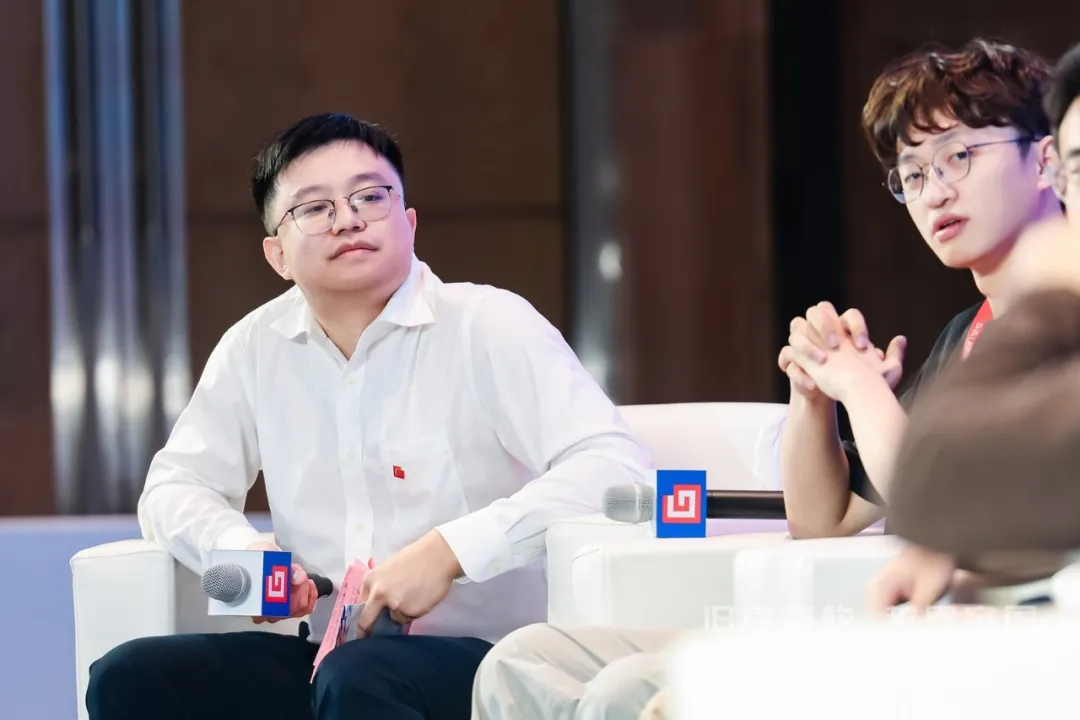
At the roundtable, Fuji's founder and CEO, Jiang Su, also pointed out that the next few years must be to meet the needs of the product level.
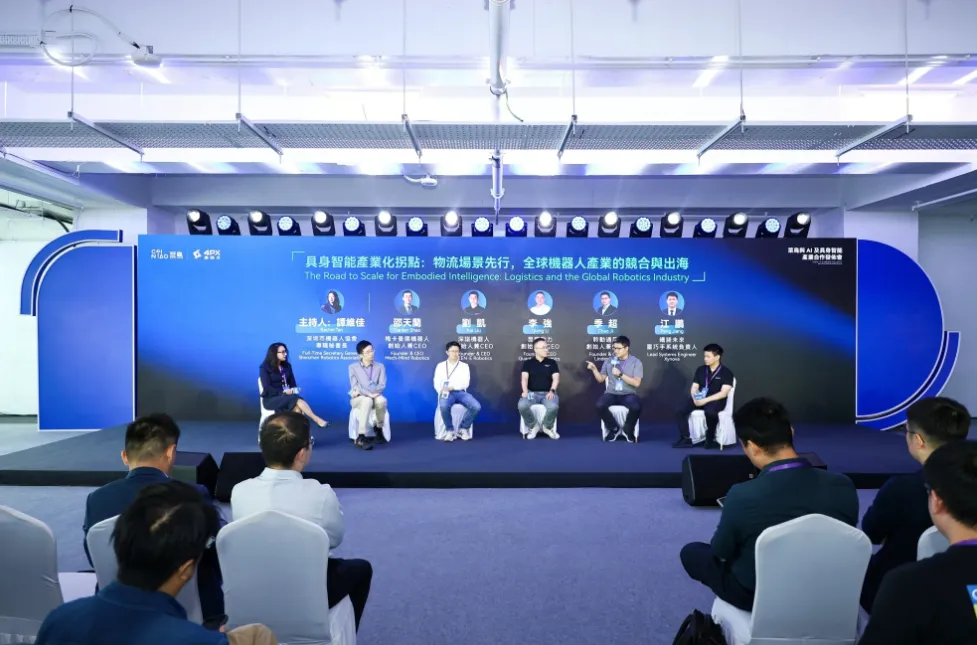
He further explained that this is the first technological breakthrough, but more is happening in the laboratory. To really bring technology into industry, infrastructure is also needed.
So over the past year or two, the whole industry has been focusing on supplementary courses, including computing, tool chains, data, etc. These infrastructures are gradually being improved, and physical intelligence is expected to trigger a new wave of explosions.
Three-point scene, landing doesn't have to wait until the world model is ready
Over the past decade, birds have experimented with a variety of technologies and products in the logistics scene. They have found that the general body with a brain with the ability to generalize, after pre-training, has been able to reach "80 points of availability" in many scenarios.
The key is getting robots into the real world and continuing to learn through their use.
For example, through model parameter adjustment, post-training, and In-Context capabilities, robots can continue to practice and improve in actual operations, gradually reaching "95 to 98 points" and completing basic product verification. To further achieve long-term stable industrial applications, they will need to continue to mutate to "99 points, or even 99.99 points".
In this process, on-the-spot data is critical. Wang emphasized that both the data that the robot performs the operation correctly and the data that is corrected after the operation is wrong. Every time the robot performs, adjusts and corrects, it can provide valuable experience for the next generation of models.
This is one of the main reasons for the opening of the real logistics scene.
Nestlé has a global storage network of millions of square meters, and dozens of industries such as long-term service delivery, e-commerce, quick delivery, and gas distribution. At the conference, Nestlé announced the opening of dozens of industries to industry partners, and hundreds of real-life PoC scenarios, including warehouse selection, intelligent navigation delivery, high-altitude cruising, security maintenance, aviation logistics, and gas distribution management.
In these scenarios, there are huge SKUs, different sizes and shapes of goods; there are sudden inflows of orders during rushes, and there are constantly changing tasks.
However, the real scenario is so complex, where should the robot companies start?
Combined with years of experience in the application of professional logistics robots, and judgments on the path of development of physically intelligent technology, Bird has divided the logistics scene into three levels:Short-range generalization, medium-range accuracy and long-range strategy.
Simply put, it ranges from making a move to completing a series of operations and then planning an entire task autonomously. There are three types of scenarios that require a gradual improvement in a robot's capabilities and commercial maturity.
It combines its own industry experience and technological innovation experience to help smart enterprises find more breakable entry points.
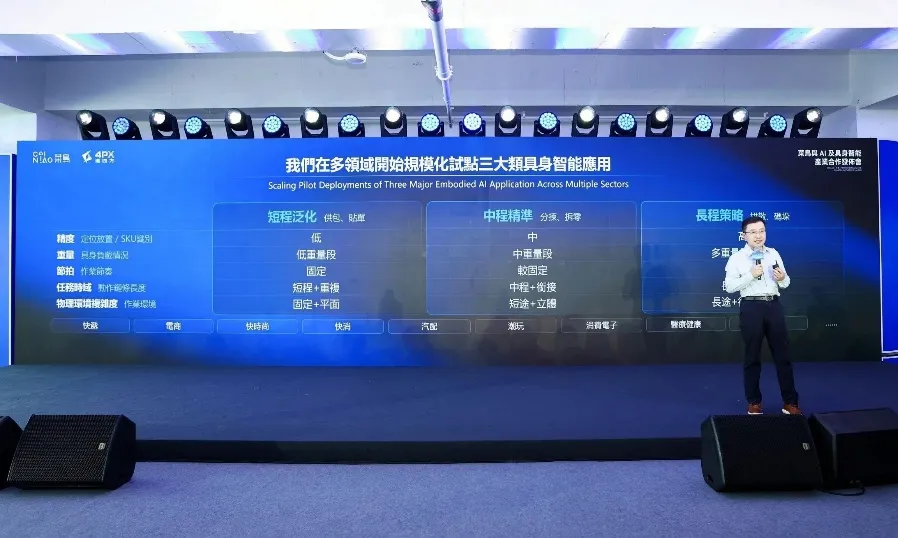
Short-range generalization is the process of making a move first.
This type of task is usually shorter, more repetitive, the working environment is relatively fixed, the precision requirements are in centimetres, and the items processed are mainly lightweight.
The difficulty is that SKUs are diverse enough that robots can handle small packages as well as lightweight goods of different shapes and sizes.
Why is it that short-range missions have the opportunity to land first?
He explained that reinforcement learning is essentially a search process. The longer the task chain, the more likely it is to encounter rare reward problems, the more space the model needs to explore.Short-term decision-making has fewer task steps, direct feedback, relatively low requirements for data and long-term memory, and is easier to break first.。
This also means that, at least on short-range tasks, industrial applications don't have to wait for world models and long-term memory capabilities to fully mature.
Currently, in the short-range widespread scenario, physically equipped robots have largely achieved efficiency and capabilities that are close to those of humans. At the same time, physical costs, engineering capabilities and modeling capabilities are also increasing rapidly.
Second layer: Medium range accuracy, from single action to continuous operation.
The difficulty of the task began to increase significantly. A task may include dozens or even dozens of steps, and the precision of operation needs to reach the millimeter level. At the same time, the robot also has to complete multiple links in a rigid environment such as shelves, cargo, etc.
For example, picking up items in supermarkets, warehouses, and the ups and downs of the consumer electronics, gas distribution, and rapid decommissioning industries. These tasks require robots not only to look precise, but also to be able to perform a series of operations continuously.
He believes that the mid-range precision scene is rapidly maturing as robot-native hardware capabilities and model architecture continue to improve. It is also worth noting that the market space behind it is at least 10 times more widespread in the short term. In addition to logistics storage, consumer electronics, automotive distribution, and fast consumption, there is also a large demand for similar waste materials.
Level 3: Long-range strategies that enable robots to plan globally.
For example, in an air freight station or a large warehouse scenario, goods are not simply placed in a fixed position. Robots need to understand the distribution of goods throughout the entire cubic space, the availability of space and operating conditions, and plan a series of operations in advance according to mission objectives.
Bird is currently using digital AI to optimize packaging, disassembly and other tasks to improve space utilization. Such tasks involve typical long-term strategies: both understanding complex three-dimensional environments and continuous planning for future long-term operations.
Compared to short-range generalization and medium-range accuracy, these tasks face more technical challenges than large-scale applications.
Of course, for robots to enter the real production environment, they must first demonstrate the feasibility of technology.
In logistics scenarios, customers will also focus on a range of indicators such as capacity, drop rate, turnover rate, working rhythm, etc. Even the type of car to load may vary due to the requirements of different customers.
The next question is how to replicate a set of proven technologies to more customers, more scenarios, through product design and engineering, without having to develop them from scratch every time?
Bear Wei estimates that the return on investment at home is expected to be in the range of 1 tonne to 2 years, and possibly less than a year overseas, provided the technology and products are fully engineered.
High tides: Delivery from a robot to the world
Domestic robots are becoming a "new name" in China's foreign trade exports. According to relevant data, 8 robots are manufactured in China for every 10 humanoid and quadruped robots sold worldwide.
At the same time, China's leading tech companies are investing unprecedented efforts in building AI hardware and data centers.
High-value hardware like robots, GPUs, and servers are rapidly expanding globally, but these products are no longer just "transport".Technology out there can be understood as a sophisticated engineering systemDeliveries need to be completed on longer chains with higher frequency and security requirements.
Compared to conventional e-commerce packages, high-value, structural precision, timeliness, security and compliance requirements are much higher. A set of servers sent to a data center may also involve racking, wiring, and power testing.
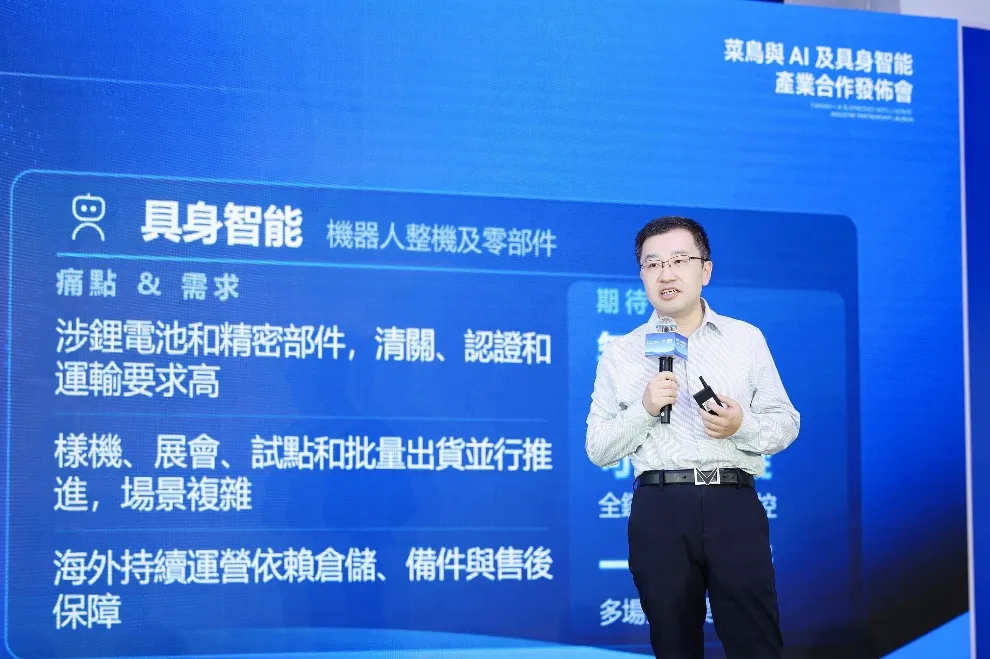
This is why Nestlé will further extend the C-end experience of "Triangular" to service technology outsourcing, while providing "one-stop-shop" solutions for different stages of enterprise.
For early-stage enterprises, even with only one model, end-to-end global transportation services can be enjoyed. Whether it's overseas exhibitions, research tests or customers.In the demo, birds can solve the problem of cross-border movement of small and time-consuming equipment through fast lines and flexible transportation around the world.
For enterprises entering the small-scale delivery or large-scale project phase, Bird provides global air transportation and project delivery services.AI computing devices can be sent to the data center to match air transport resources based on the size, weight and transportation requirements of the goods, and provide sophisticated services such as pre-arranged dispatches and up-and-comers.
For enterprises that are already entering the scale-out phase, Bird can also provide supply chain services covering overseas warehousing, distribution and after-sales transportation.
With a global network of warehouses in dozens of countries totaling millions of square meters, Bird can help businesses manage overseas inventory, arrange local delivery, and provide spare parts, replacement, repair, and support services such as customs compliance, high-value insurance, and global logistics tracking.
The bear judges,End-to-end solutions that are safe, reliable, and confident in compliance will be a major demand in this field for years to come.。
This set of services is supported not only by Bird's existing global logistics network, but also by its compliance capabilities in matters such as business, inspection, taxation, foreign exchange, and synergies between different national and regional delivery nodes, including providing service know-how to some of the world's leading consumer-grade robotics companies covering dozens of countries.
Bear Wei gives an example. Bird has accumulated extensive experience in complex scenes such as the Olympics and international exhibitions. In the face of many batches, multiple types of goods, and strict time windows, service providers must ensure that the entire supply chain runs smoothly.
The Olympics may only take place once every four years, but service tech customers who go abroad may have to deal with a similar "small Olympics" every day.
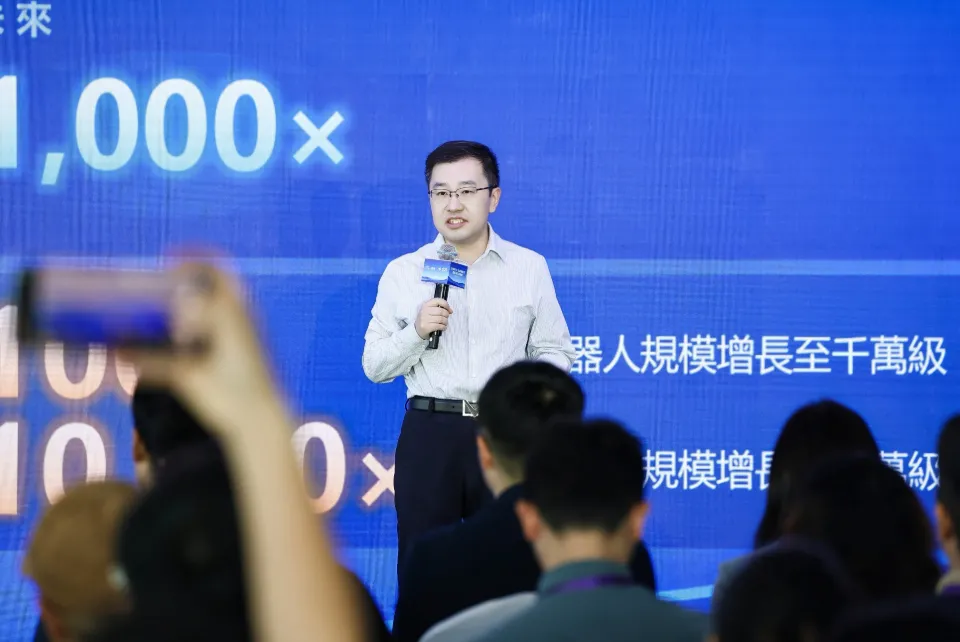
The two layouts in this case seem to be one-to-one, but they actually point to the same goal: to play the role of infrastructure, to make AI technology truly enter the industry.
"One-in" provides a real training ground and product verification environment for physical intelligence, and "One-out" supplements the supply chain capabilities of Chinese hard-tech enterprises for global delivery and long-term operations.
Under this strategy, Nestlé does not intend to embrace all the technical aspects of the physical intelligence field, but instead focuses on the technological direction that is closely related to the logistics scene, including vertical scene technology, Agent, Harness, and others, in collaboration with professional partners, first to small-scale verification in real-world scenarios, and then gradually to product and scale.
This also reflects a trend in the development of the AI industry where technological breakthroughs are only the starting point, real-world scenarios, engineering capabilities and industrial infrastructure collaboration that ultimately determine how far technology can go.