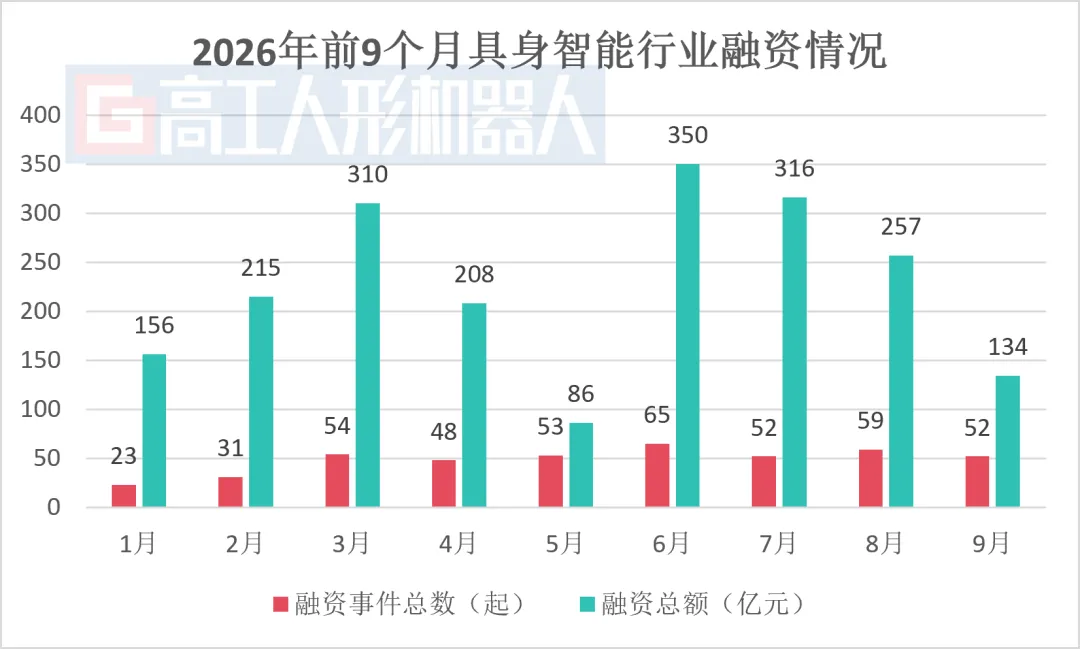
Secondly, although the industry's heat is high, there is no substantial change from mass exports to landfall in 2026, apart from more inmates than in 2025, indicating that there is a suspicion of a steady pace in the industry over the course of a year.
Secondly, the Ministry of Industry and Communications predicts that the total production of human robots in China in 2026 will be 100,000 units, which may be based on a judgment on market demand, in other words, the demand for human robots in the market in 2026 will be approximately 100,000 units. To date, the industry has completed about 60% of this scale.
Similarly, in a joint study published by the GGI Industrial Institute (GGII) and JD Retail, the GGI2026 Report on the Progress of the GGI2026 mentioned that in the critical cycle of the GGI industry moving from a technological prototype to a scale-down, the industry's competitive landscape will accelerate the decentralization of de-branding. It is expected that over the next three years, about 15% of domestic GGI startups will face bankruptcy or mergers.
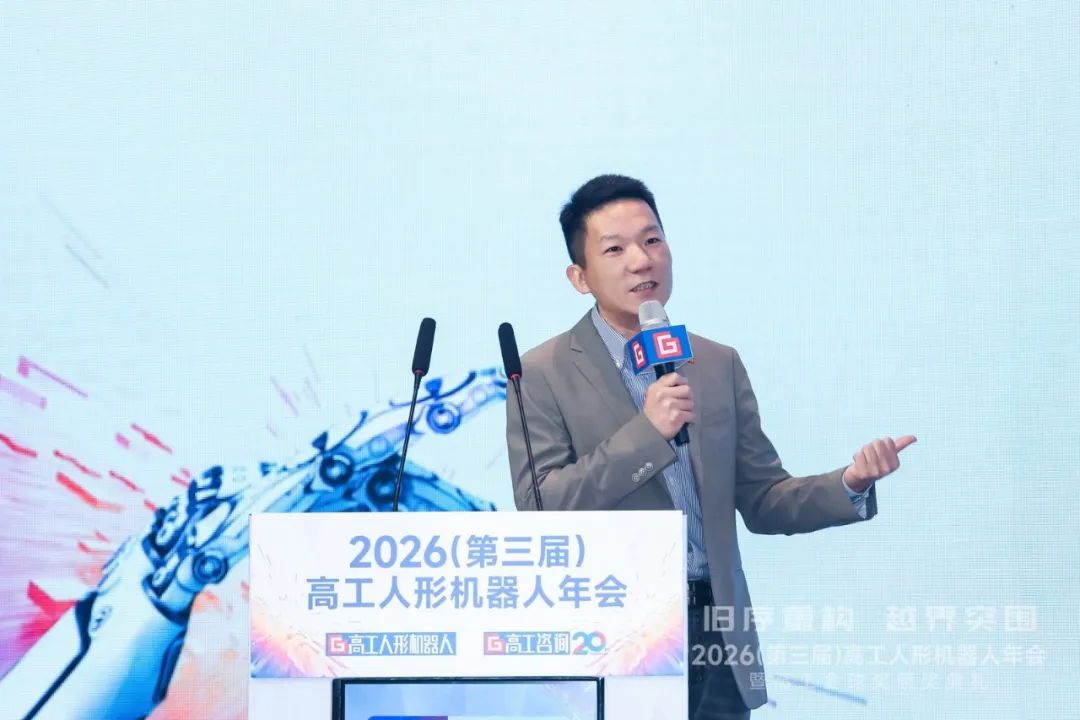
At a time when the boundaries between risk and opportunity are increasingly blurred, startups are still ahead of their time. Based on this, high-profile robots invited its co-founder Chen Zhengqing, the co-founder of Shijiazhuang, Li Tianwei, the co-founder and chief AI architect Xu, the co-founder and chief AI architect Yuan Qian, the vice president of Shijiazhuang, and the chief scientist of Shijiazhuang, Wen Wei, to participate in the round table to determine the strategic alignment of the 100 billion unicorns of AI, leading to the round table meeting of 100 billion companies in the AI industry.
In the face of the looming crisis of liquidity financing, how do smart firms really look at the label of liquidity bubbles, how do they respond to the fact that liquidity investment firms are no longer investing in liquidity bubbles, what exactly does a billion-dollar valuation mean to them, and is it what it looks like on the surface?
Starting from the perspective of a billion-dollar enterprise, the body-smart industry is looking for a direction.
What does a $10 billion valuation mean?
While not denying the arrival of the cold winter, Wendell emphasizes the increasing importance of technology itself in the first-tier market; in other words, assurance technology contributes to defensive financing.
Weinstein acknowledged that the ongoing outdoor funding of the cold winter is indeed approaching, and risk-fighting skills and awareness are becoming important.
He said that if there is no particular outbreak in the first half of next year, we believe that the entire capital market, especially those targeted at physically intelligent capital markets, has already shown a cold winter trend.
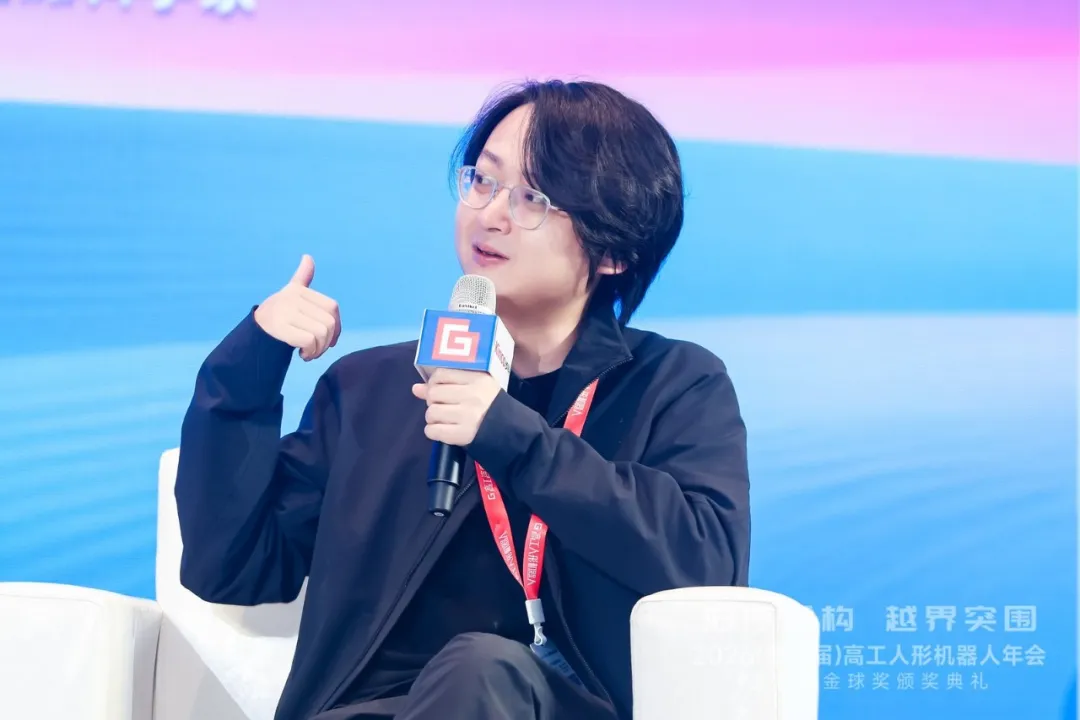
The first intelligent chief scientist, Wynton
For us, the goal of financing is not to reach a 10-billion- or multi-billion-dollar valuation, valuation is only an intermediate process; the real goal is to set the right goal, which is to have enough resources to realize human intentions through physical intelligence. Just as the current large language models can basically realize human intentions in the digital space, we want to do this in the physical space. To do this, on the one hand, we may need more data and computing input and enough money; on the other hand, money can't be wasted and enough resources can be stored in advance over the winter.
A similar view holds that adequate funding is important to provide space for companies to invest in long-term technology.
It added that the investors invested in KISS intelligence, on the one hand due to the consensus on the long-term value of the physical intelligence industry, and on the other hand due to the trust in KISS intelligence to adhere to the general brain pathway.
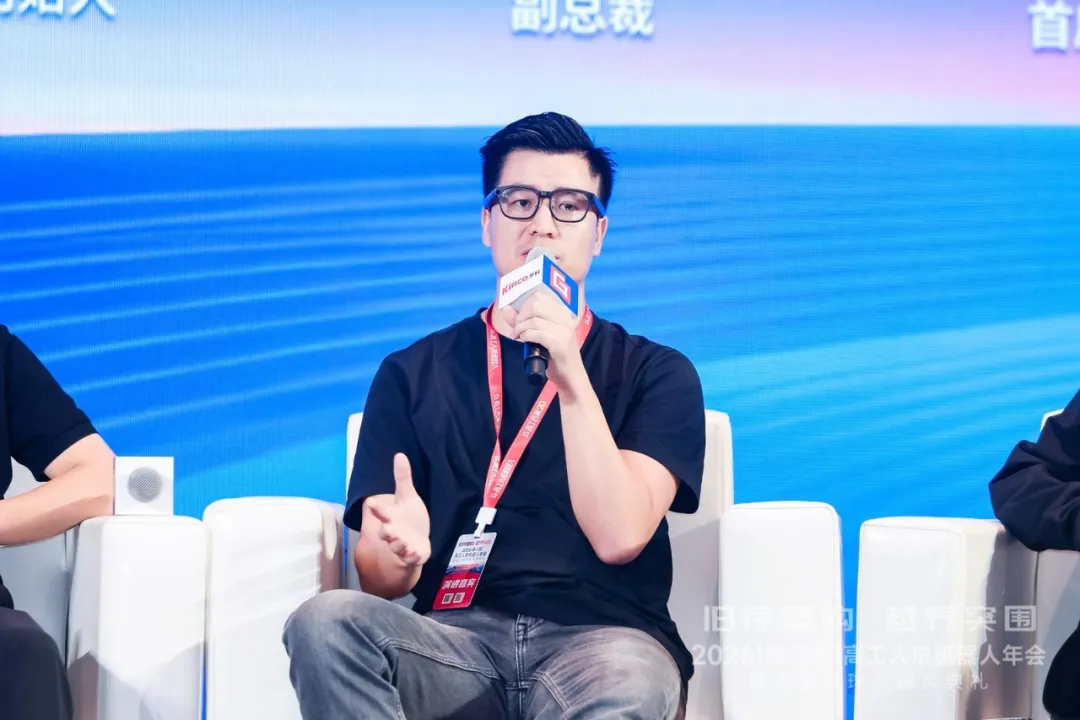
Chinese Vice President Xi Jinping
As a physically intelligent enterprise based on large models, Chiang has been thinking about whether model enterprises should do the core. Liu did not deny the necessity of large model companies, but there are still doubts. He said that the current industrial chain links are numerous and have not been fully integrated, and that the positioning of each enterprise has its own logic; if only pure models and non-hardware enterprises can have good enough model capabilities, it is still possible to survive.
The problem, however, is that companies still need to come up with a technology of certainty to hedge the current level of market volatility.
Liu said that for cooling technology, regardless of how the first-tier market or the outside world views physical intelligence, this is the flood of the age itself; following trends and continuous progress on the basis of existing technology is itself a capability, and the company has enough capacity to accompany the physical intelligence industry to filter financing in the winter.
Chen Zhongqing, Li Tianwei, said that the current industry valuation level does not exceed a reasonable range, and that the positioning and valuation level of the company is closely related.
Chen Zhongqing did not consider the current level of valuation of the industry to be a surprising situation, he said that the founding team of Shijiazhuang had been through a complete self-driving circuit, so it is clear that the current valuation is essentially only a phased state. True to the end, how high the valuation is, how far the company can go, basically depends on whether your final scene is able to wear, your model ability to be effective in all scenarios 24 hours a day, and your business model is sustainable.
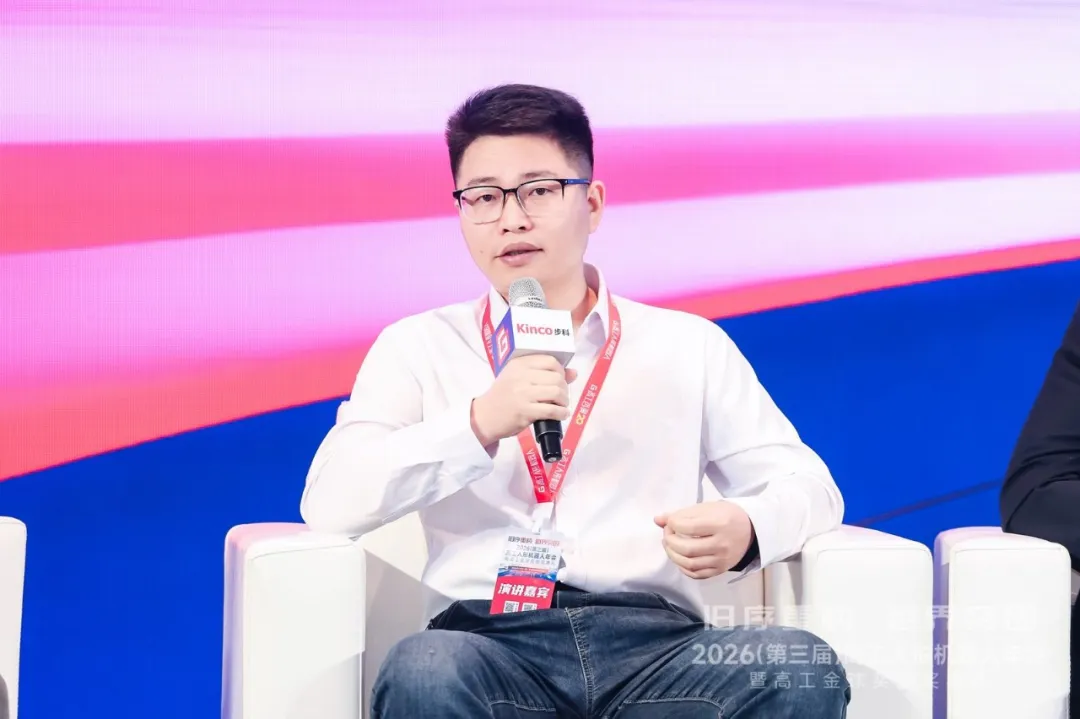
It is co-founded by Xi Jinping
As for why it is possible to achieve high valuation quickly after its inception, there are a few things to stick with when it was founded.
Chen Zhongqing further explained that, first, the focus is on model capabilities. Model capabilities to do well require massive real data, so we will reconstruct new methods of computation; we have also proposed a human-centered model to optimize model generalization and fine-tuning capabilities.
Secondly, it will be designed to adapt to model capabilities and scenarios, as a human body, joints, hands, and so on, with the aim of making the best use of its capabilities.
The third, and most important, is that it has targeted high-value scenarios from day one. It mainly focuses on two categories: one with requirements for the maximum capacity of the model, such as flexible lines and production lines; and another with requirements for model generalization, flexibility and deployment capacity, such as highly intelligent factories.
Li Tianwei is equally adamant about high valuation. He believes that the current valuation is reasonable for companies that aspire to become platform-like enterprises such as Stereo.
Indeed, the overall pace of financing in the second half of the year has slowed, and both investment institutions and enterprises themselves are aware of this financing cycle. Moreover, because the opportunities for physical intelligence are large enough, the momentum of the first-tier market is not enough to scare companies away, and in the second half, the focus of the industry will be on how to solve production problems.
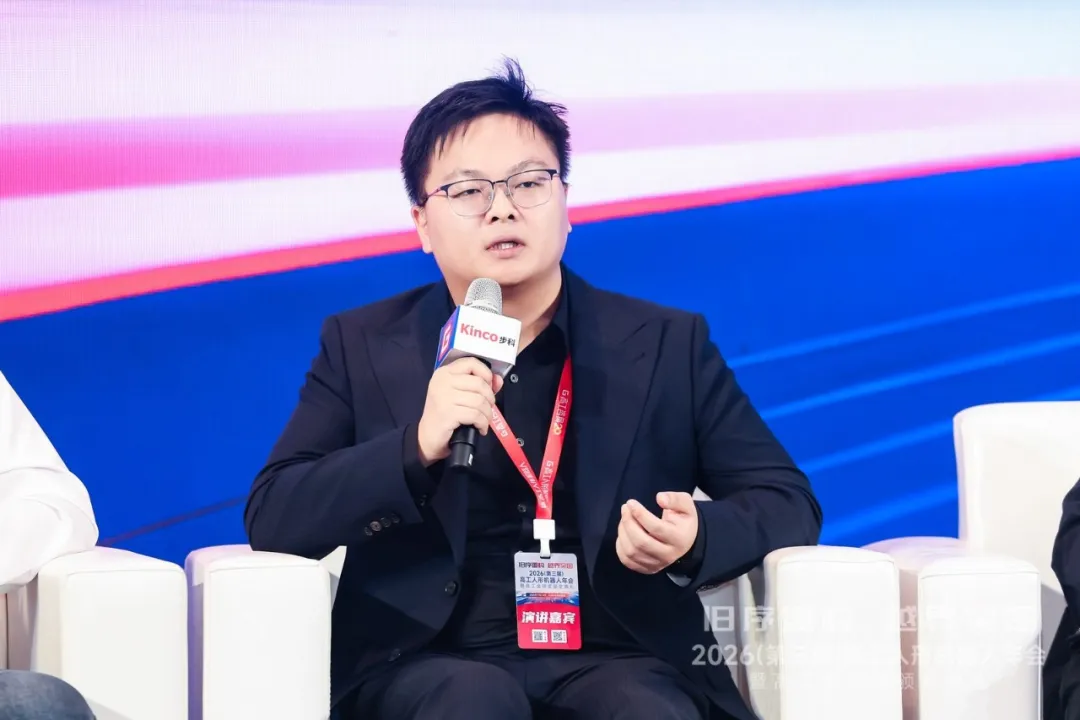
Li Tianwei, co-founder of Stereo
Overall, the body-smart industry is changing. Over the past 12 months, more than 100 body models have been released worldwide, and the model level has made great strides, clearly seeing the core drive or foundation model of body-smart. At the same time, different models are also facing different scenarios, with the main overload, 20 minutes beat; some entering semi-automobiles, 1 minute beat; some entering logistics, a few seconds beat; and also making lines flexible.
Suzanne, on the other hand, is more optimistic, saying that companies under high valuation are also under high pressure.
Suzanne is frank about the fact that the story of physical intelligence has only just begun, 10 billion is probably too low. The valuation was calculated by overpaid customers and by the factory owners.
High valuation is often accompanied by high pressure. In the current often-mentioned soft-hard unit, it involves a series of links, such as the supply chain, and it is also necessary to clarify which links are produced by the company itself, while calculating costs and calculating costs clearly, rather than having money to waste.
The size of the team is also one of the sources of pressure. The size of the team is the largest, but not necessarily the advantage, in the same round-table enterprise. The positive side is that the research and development process is faster. In the first half of the year, a new product can be launched in two or three weeks.
What is the biggest concern of the physical intelligence industry?
Interestingly, the answers given by the six companies pointed in six different directions. This seems to indicate from the side that it will take quite some time for the smart industry to really get out of the fog.
Chen Zhongqing's concerns are not about short-term competition, but about the changing industry's testing standards for these enterprises.
Over the past two years, companies have gained more recognition and funding through better demos or campaigns; but this year, and especially next year, capital markets, governments, and businesses are gradually returning to rationality, asking the same question: Are products really worth it?
In the past, the industry has discussed various schemes such as the world model, VLA, etc., but regardless of the scheme, the key is whether it can be implemented in the scenario. As of now, there are very few machines in the industry that can actually be used on a scale, and there are few cases of deployment of a two-digit scale, which is the more serious situation caused by previous excess expectations.
Starting in 2027, the industry needs to reverse this situation: to be able to scale deployments and be effective in a variety of scenarios, companies willing to pay for use and even buy back. These are the keys to testing all companies that are physically intelligent.
Li Tianwei raised concerns from the point of view of hardware design. For industrial upstream partners, if the supply chain is chosen incorrectly, the final delivery may not be productivity itself. The costs will continue to rise as the industry demands improvement, increased competition, reliability, generation, modeling and so on.
Second, companies from different backgrounds have knowledge-blind areas. The whole system has its own characteristics as a software hardware product, and companies are good at it: companies with an autonomous driving background are stronger on the system side, but may be more conservative on the mechanical part or certain technical choices. Overall, attention should be paid to mechanical power safety, thermal management safety, battery safety and overall system security to avoid being biased in strategic choices.
Suzanne has shifted her vision to the outside world, believing that the development of physical intelligence overseas is the most worthy of concern and prevention.
He said that the competition in the industry at home is a small one. According to a careful observation, high-end manufacturing capabilities abroad are questionable, but traditional industrial capabilities will be slightly lagging behind. It is worth noting that physical intelligence itself brings opportunities for them, and once model capabilities have been breached, the capabilities given to robots may further drive the return of traditional industrial capabilities.
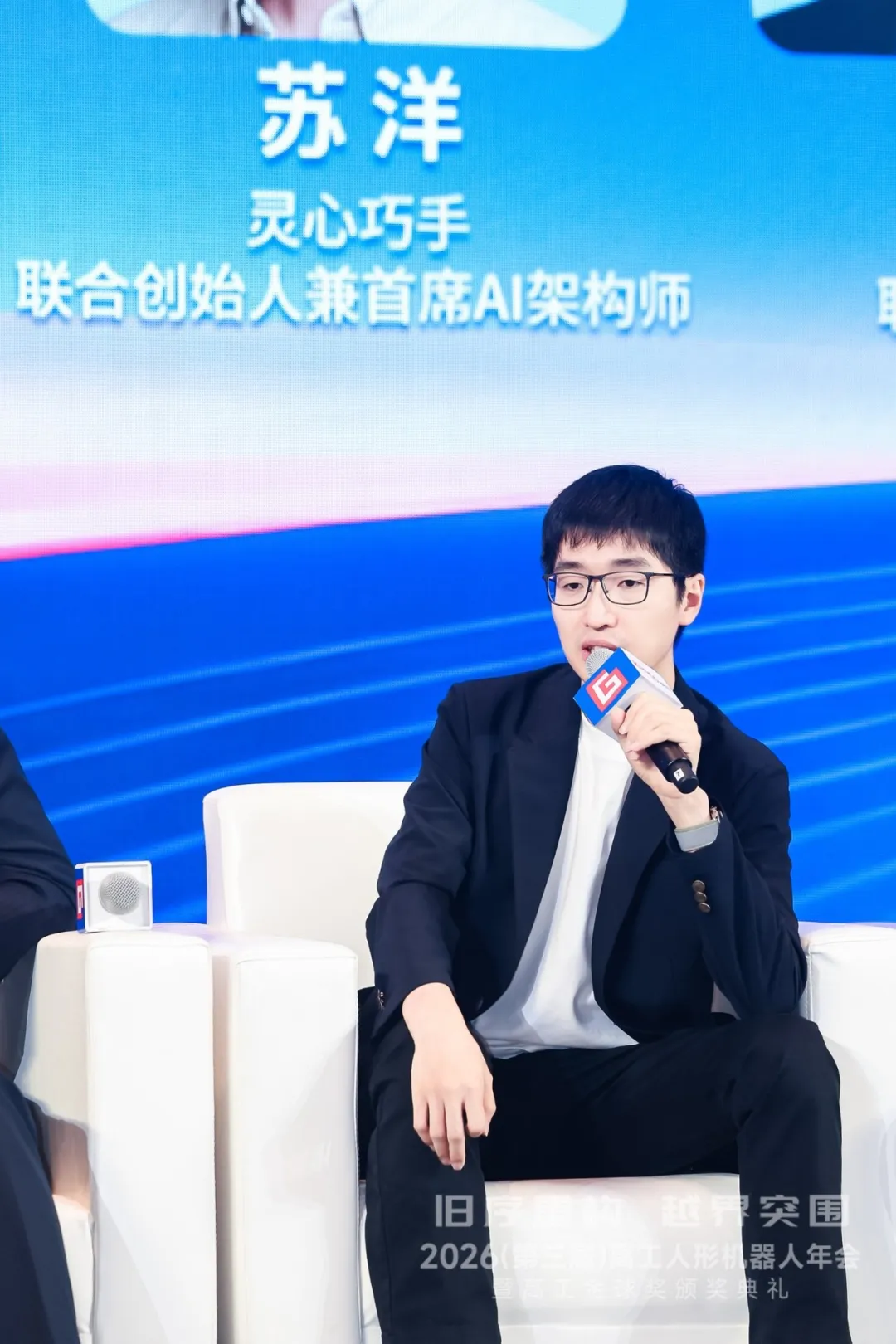
Co-founder and Chief AI Architect, Suzanne
An important piece of evidence is that the vast majority of data purchases come from overseas, both from traditional manufacturing giants and newly built Silicon Valley factories.
For domestic smart enterprises, it is usually very anxious to go to exhibitions abroad. Therefore, domestic enterprises should be cooperative, from the essence to the model, there is no need to shy away from replacement. Brand parties need to clearly recognize that the competitors of Chinese smart enterprises are not at home, abroad, and very strong, giving little time at home.
In addition to the rapid development of overseas enterprises themselves, and the resulting rainbow absorption effect, it will absorb good people, better talent, including those who spend a lot of heart and blood in the enterprise.
In this case, there may be fewer and fewer new enterprises. The chain reaction may be that new talent may think that there may be a few furniture head companies left in the country to turn to other fields.
These are all very likely to compress the development space for the domestic body-smart industry, which, although slightly long-term, is worthy of concern.
Liu fears that the industry may overestimate the ability of a large model like the GPT-6 Astra to wear body intelligence directly, while underestimating the importance of physical AI alongside body intelligence.
By way of analogy to autonomous driving, DriveVLM corresponds to System 1 and System 2; placed on physical intelligence, System 2 has a very high level of cognition, task understanding and planning, with the help of GPT. But physical intelligence is also relevant to the key System 0, i.e. underlying operational control, real-time shutdown and physical interaction capabilities, which rely more on end-to-end physical AI, low latency response and deep binding to the hardware kernel, and cannot simply expect large models to be replaced.
Current industry tends to include System 0 in VLAs, world models, and others, but these may be phased-in transitional products that can solve some of the problems, but can't replace the real System 0. With physical intelligence, the ultimate problem is contact-rich, real-time, high-frequency, and strong interaction with the physical world, not GPT-6 Astra.
The bottom line is that, in addition to cost-effective calling and control, many customers don't necessarily need to be in the cloud. In the past, the experience of Tencent Cloud and Ali Cloud shows that not everything is suitable for the cloud, and the cloud itself can't automatically generate value. Bulk data seems to have tens or even hundreds of PBs, but many of them may not have any real value.
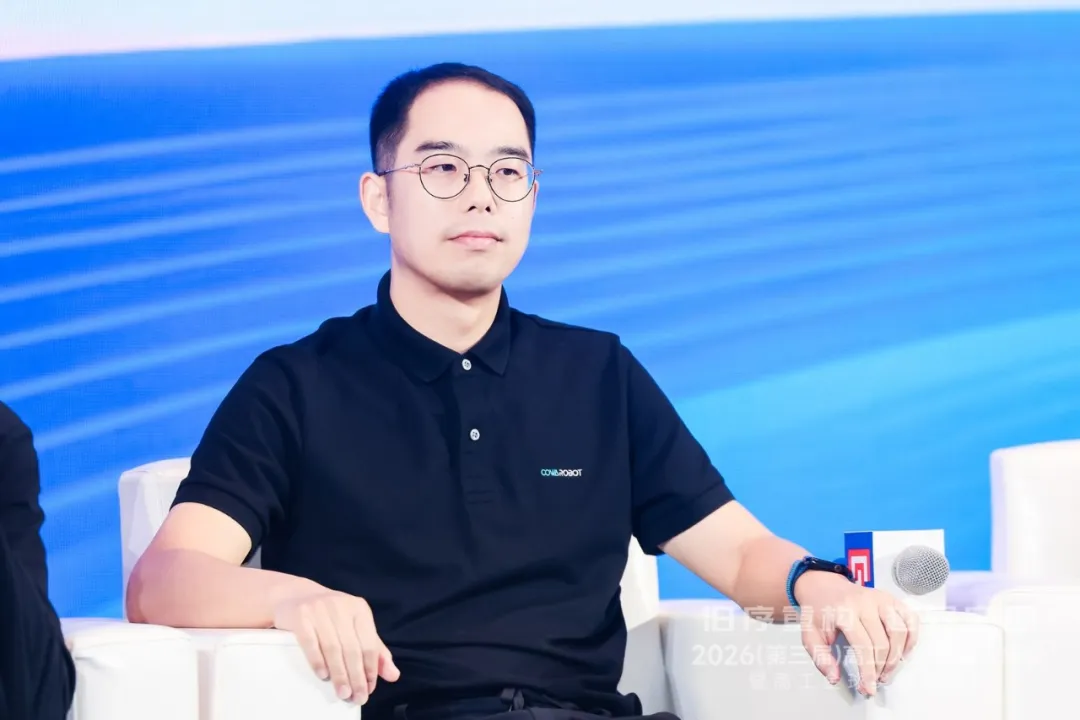
Co-founder of Kool-Aid Technologies
Frankly, therefore, end-side capabilities are both related to customer privacy and to efficient calling, and are more related to low latency processing in high-frequency scenarios. That's why I'm more concerned about the industry overestimating the ability of large models like the GPT-6 Astra to wear physical intelligence directly, while underestimating the accumulation of end-side physics AI and System 0.
There is no need to worry too much. Current capital is in a relatively cool period, but on the other hand, the smart industry has had several conditions for accelerated development in the last one or two years: first, a large influx of talent; second, the continuous flow of funds, although it is still insufficient; and third, many companies, after market education, are willing to move forward with the open scenario. These conditions are expected to accelerate the development of the industry.
Moderate concerns stem from the fact that the industry is investing heavily in data and physical model computing training, which could be a huge waste if the technical program or option is improper, and seriously undermine the industry as a whole, society and capital confidence in the industry.
Written at the end
At the half-day meeting, the bad news is that over the past 10 months, the body-smart industry has not experienced a surprising change in quality on the basis of 2025, but instead there are more and more unresolved issues that have gradually surfaced.
The good news is that, actively or passively, entering the 11th month of this year, the smart industry has begun to face its future.
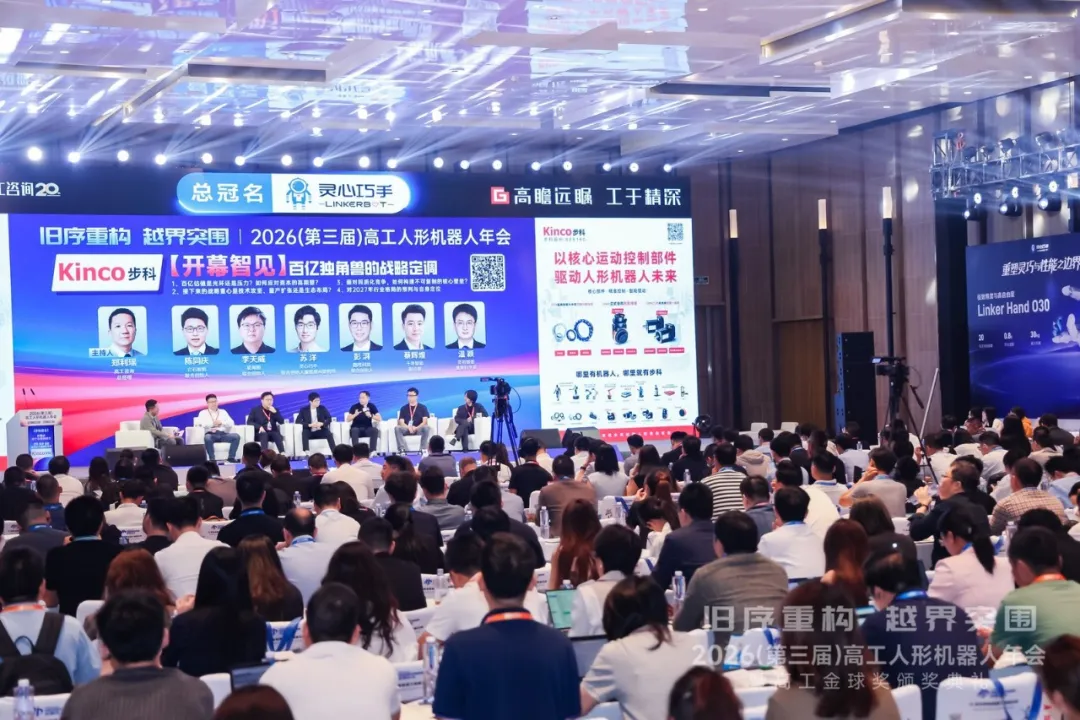
The fog isn't going away because of a roundtable, but at least the industry is starting to look to the future. The real watershed is not who gets to the top of the 10 billion valuations first, but who can really put the machines on the scene after the cold winter and really deliver the value to customers.