“ A hand that really works
Robots have learned to recognize objects, understand instructions, and act according to task planning. But when they really do reach out, the problem is often just beginning. Because when an object's shape changes, grappling gestures are restricted, or external contact and disruption occurs during operations, robots need to adjust their movements like humans, rather than simply tighten or loosen.
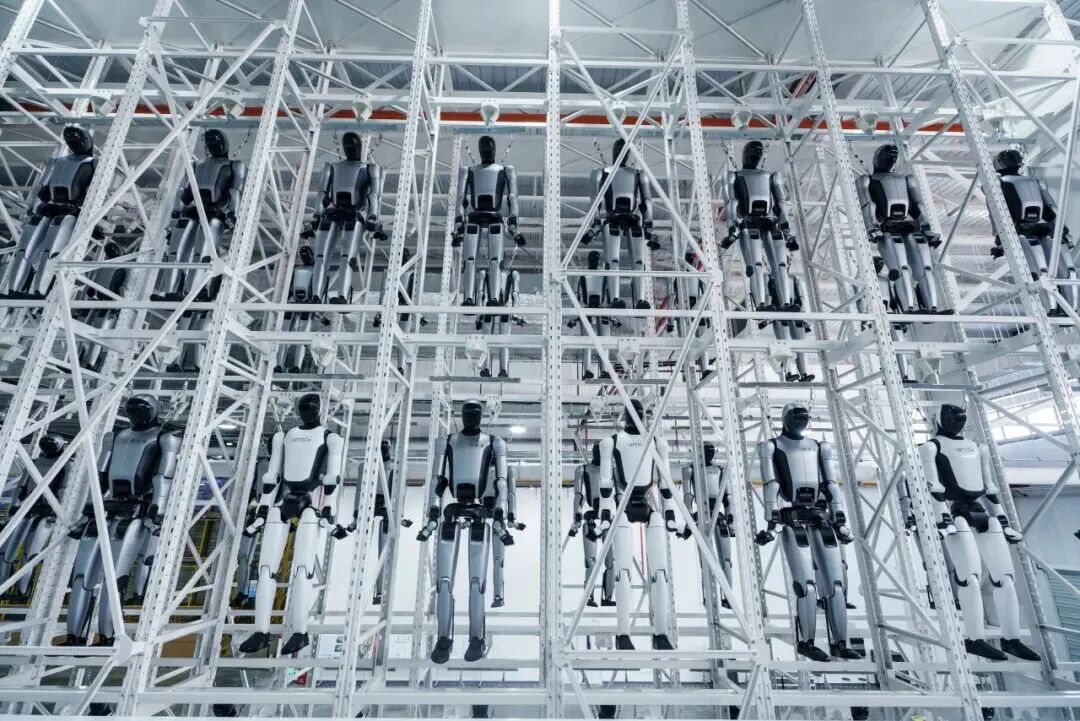
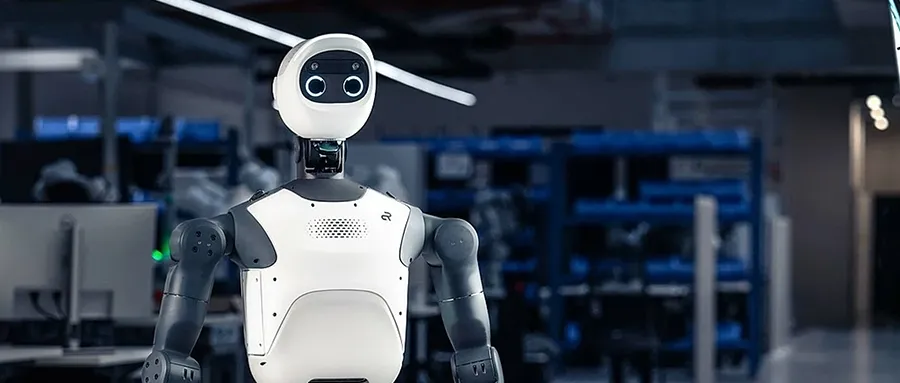
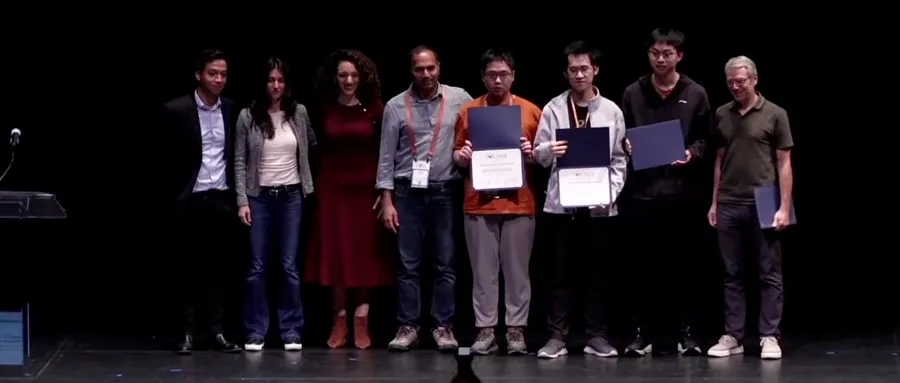
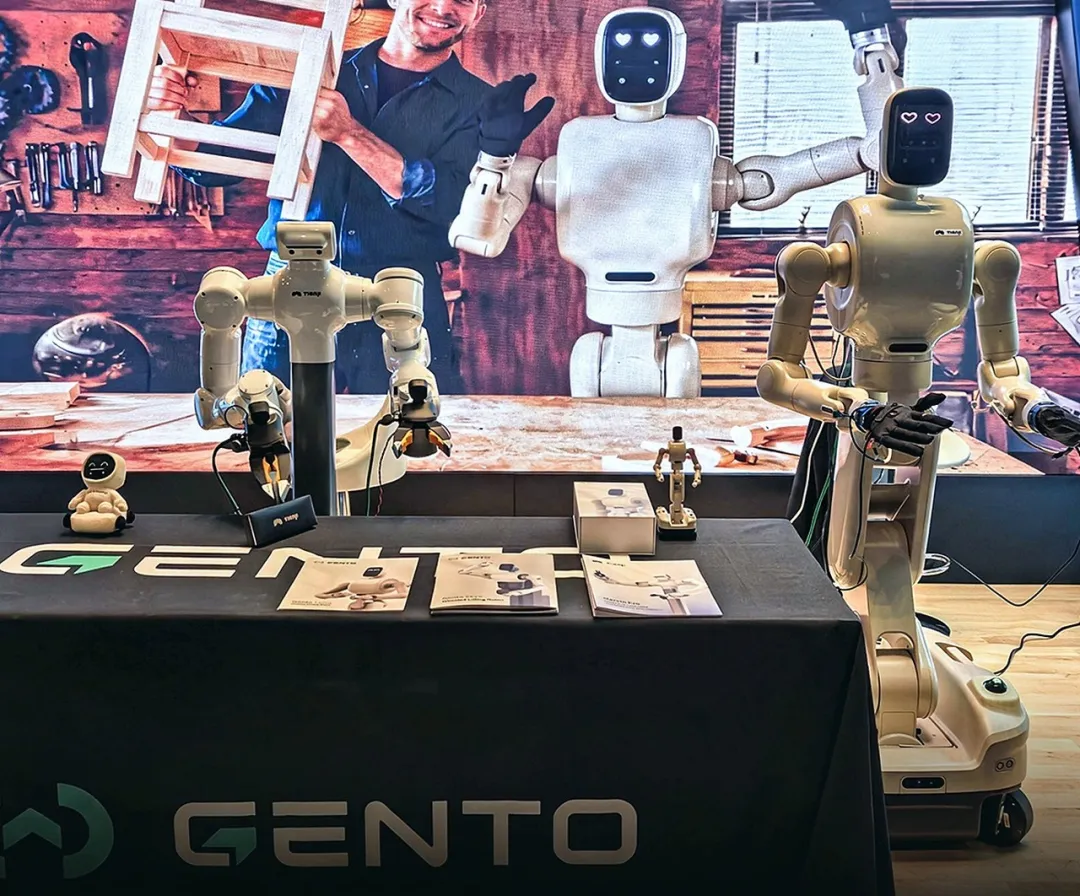
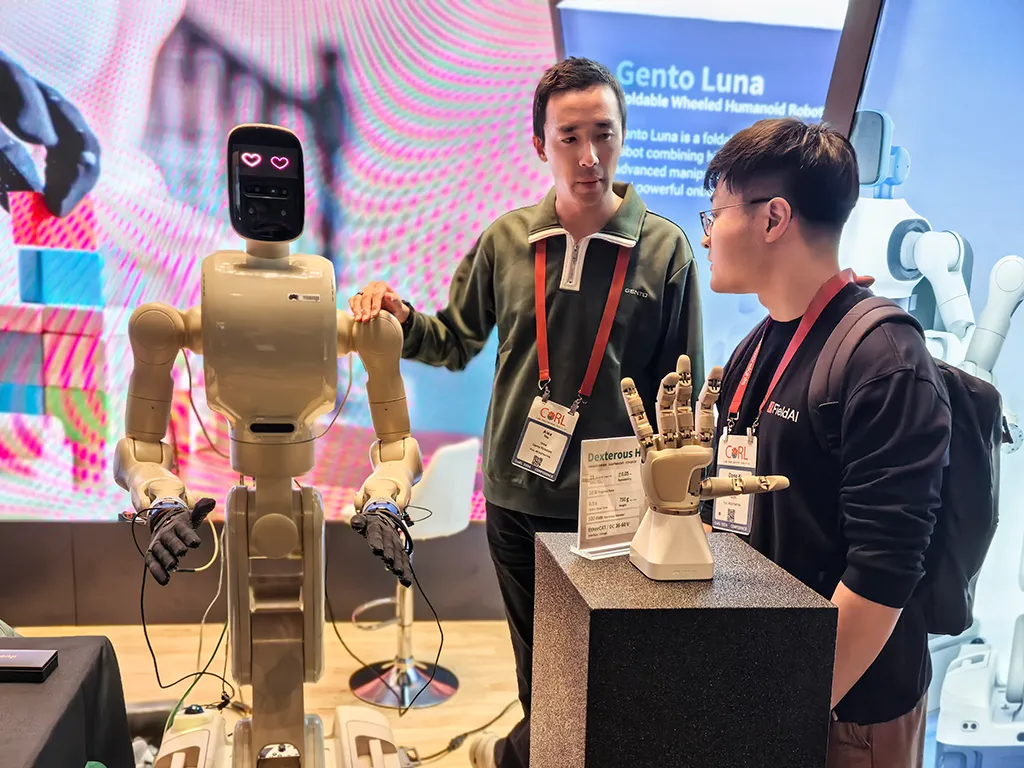
At CoRL 2026, Celestial as a leader in the field of power control arms, debuted under the TIANJI+Gento brand, not only showcasing popular products such as the Marvin series of all-power controlled humanoid arms, the Marvin Pro fixed-power controlled humanoid two-arm platform, and the Gento humanoid integrator.
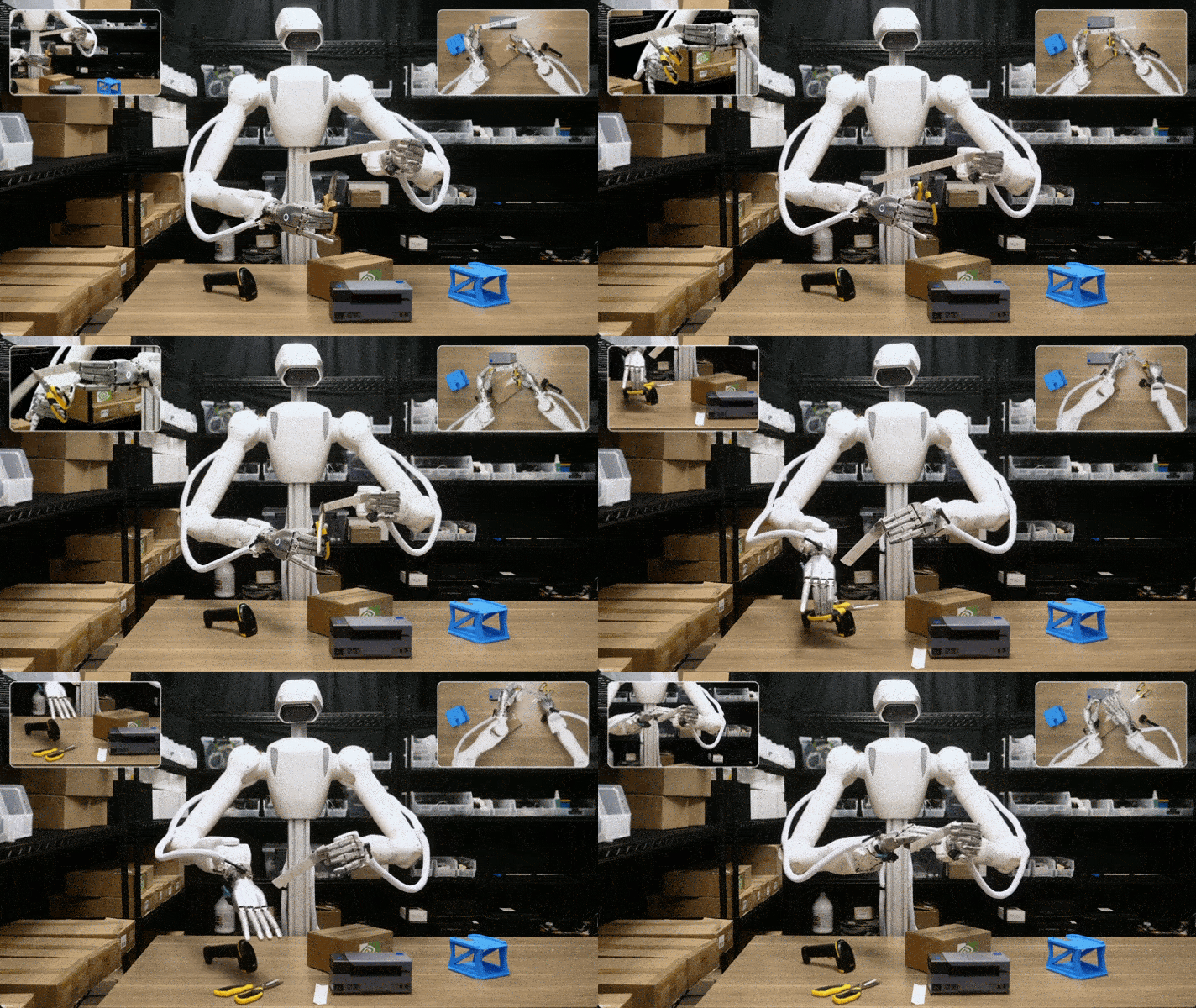
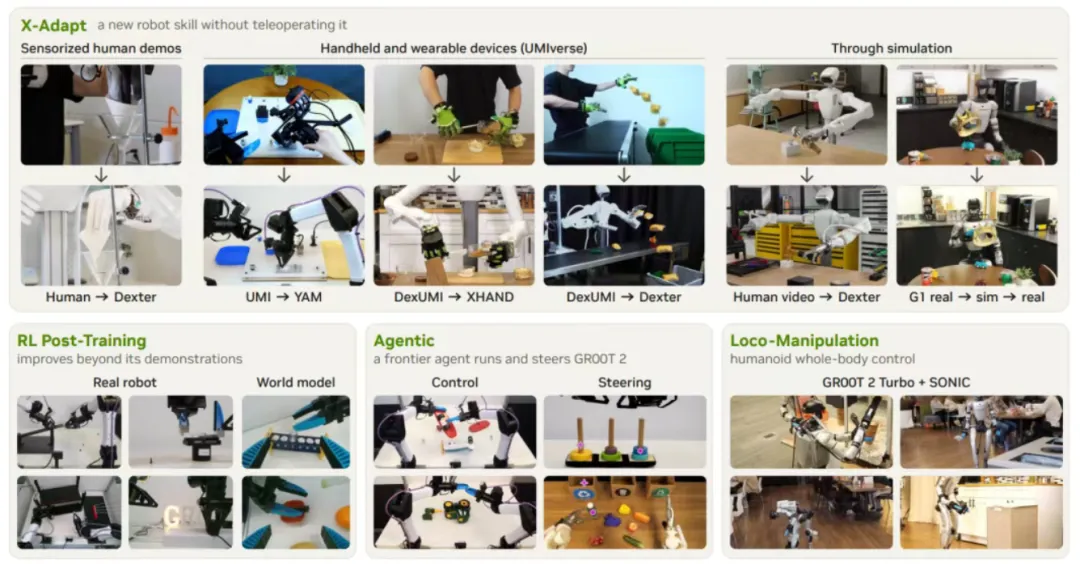
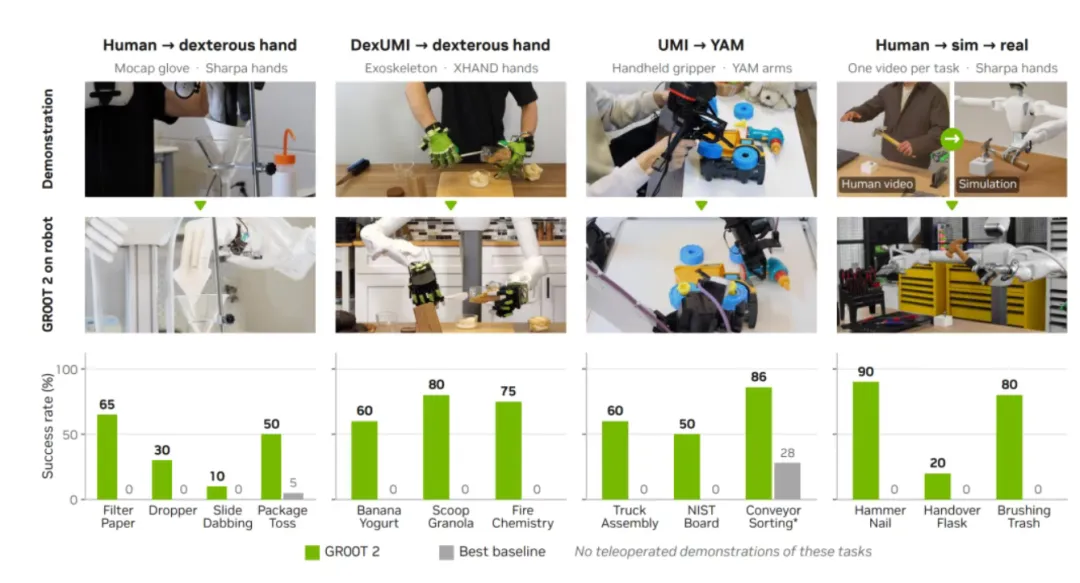
The robot's power control arm has now been recognised by the world's leading laboratories. On 10 November, when the company released the next-generation robot base model GR00T 2, along with the model's sleek operation demonstration, the two-armed robot continuously completes tasks such as installing toy trucks, pasting a spreadsheet, charging GB300 memory modules, the robot workshop noted that the demonstration carries the name of Dexter's arm core, which is actually the Marvin Pro of the robot.
On the CoRL 2026 scene, Jim Fan also mentioned in Talk that in the ingenious closed-loop operation of the GR00T 2 model, the future image prediction and motion generation is actually done in the same scattering transducer, whereas at the link where the robot comes into direct contact with the object, the force is unified into the joint force matrix, with the three-axis force re-directed to the torque of each joint in the mechanical arm, pressing the joint stiffness when executed, and deflecting the target position, leaving room for the hand in contact.
With this in mind, it's easier for us to understand the latest release by Skyline.
We found that the product was worthy of attention because it inherited the strength and agility characteristics of the mechanical arm, trying to control several levels from the transmission structure, joint reversal and smoothness, to better match the mechanical arm, while addressing the problems of precision, smoothness and engineering reliability faced by the smooth arm in the long run.
As a player after launch, the technical route and goal of this ingenious hand is quite clear: to create a pair of hands that are really better suited to the end of the robot, to make each joint accurate enough, able to cope with external forces, and able to be used repeatedly in real environments.
From the force-controlled arm to the agile hand, this may also mean that the spacecraft is trying to extend the technological ideas previously accumulated on the force-controlled arm to the last link in the robot's contact with the physical world. The future agile hand is no longer just an independent executive endpoint, but is expected to be an important part of the entire power-control operating system.
01.
From catching objects to actually manipulating objects
From the presentation of NVIDIA, it is also easy to see that the finer hand continues to be the main task of the finer hand. For a long time, the core task of the robotic end-executor was to clutch. On the industrial production line, two-finger claws and suction discs have been able to accomplish a large number of mature tasks. They are structurally simple, direct control, and often highly efficient in the face of regulatory workpieces and fixed positions. But the boundaries of the capabilities of such executors are clear, they are good at picking up objects, but not necessarily good at continuing operation after picking them up.
The ability of the human hand is precisely reflected in the second half. Picking up a cup, the grip strength is adjusted according to the weight of the cup and the friction on the surface; picking up a screw, the person uses fingertips to change its direction; when opening the bottle cap, the fingers need to simultaneously complete the grip, rotation and force control. The movements look simple, but the back involves the coordination of multiple joints, the judgement of the contact state, and the constantly changing relationship between position and force. This means that the robot moves from simple crawling to precise operation, the end-user must have a richer range of motion, and must be able to handle the power produced during the contact process.
However, the increased freedom of mainstream practices on the market does not necessarily mean that operational capabilities will naturally improve. More joints lead to more combinations of motion, which inevitably lead to more complex transmission chains, higher control difficulties, and more accumulated mechanical errors. The more complex the finger movements, the more apparent the impact of mechanical gaps and feedback on the final movements.
This is also a paradox faced by current ingenious hand engineering. On the one hand, physical intelligence requires closer operation to human hands; on the other hand, the more joints, the more difficult the structure and control systems are to drive.
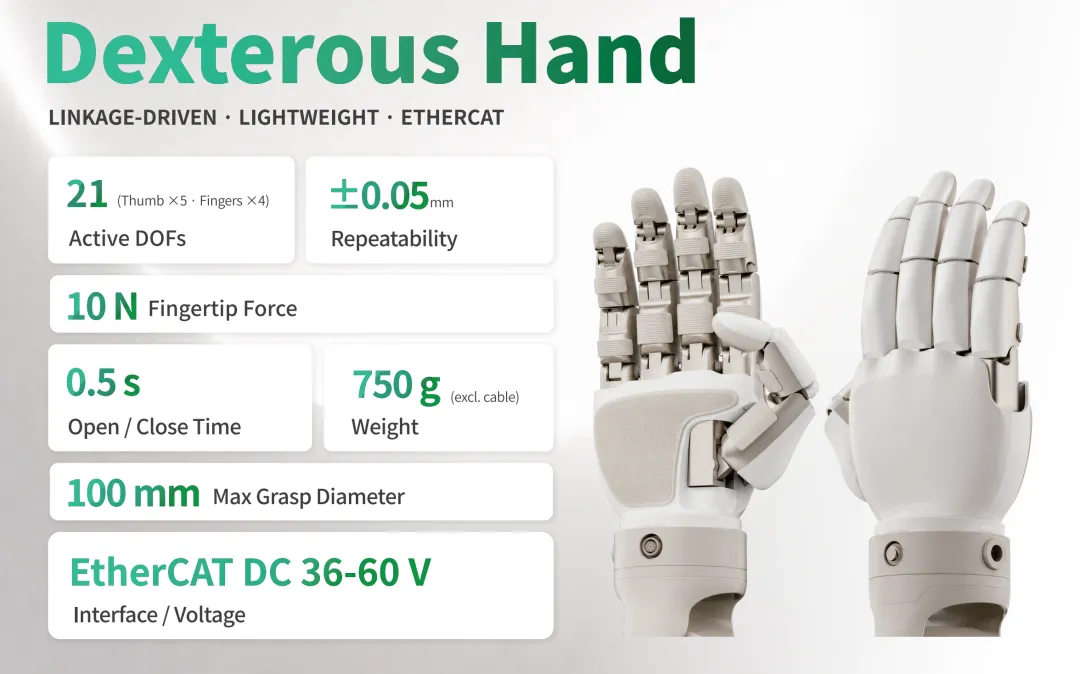
The Robotics Workshop found that the 21 degrees of freedom directed brilliance introduced by Satellite Intelligence was precisely the result of this contradiction. It did not just focus on the number of degrees of freedom, but instead placed the focus on high-precision transmission, full-junction anti-drive, flexibility sequential mix control and shock-resistant design in the same scheme. In other words, it hoped to solve not whether a single action could not be completed, but whether brilliance could strike a better balance between precision, strength, flexibility and durability.
02.
The real challenge outside of 21 degrees of freedom is precision control.
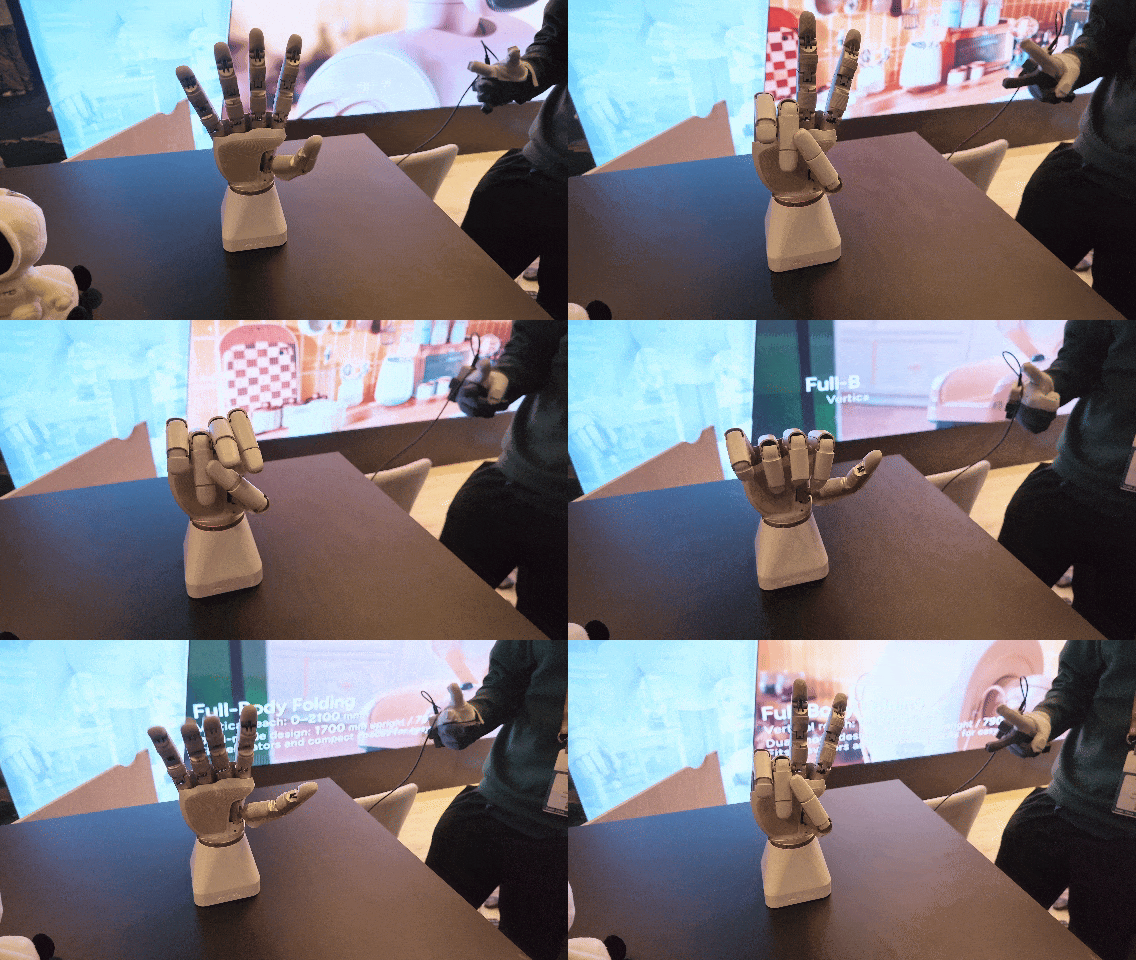
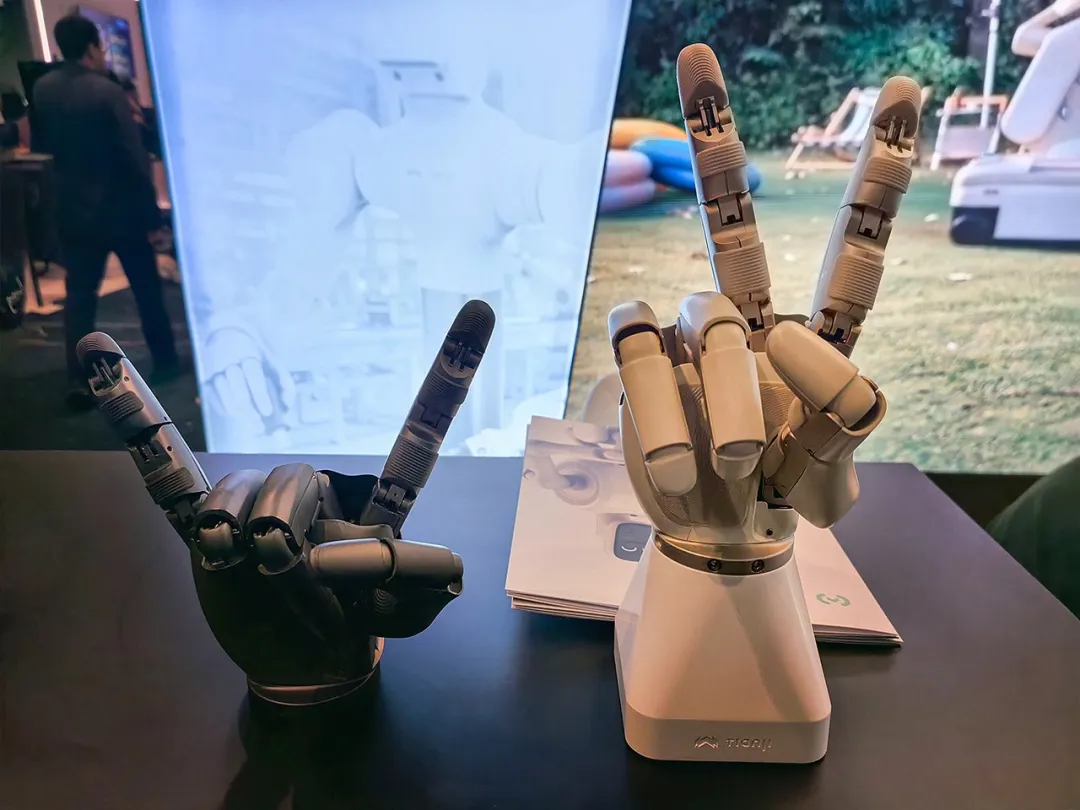
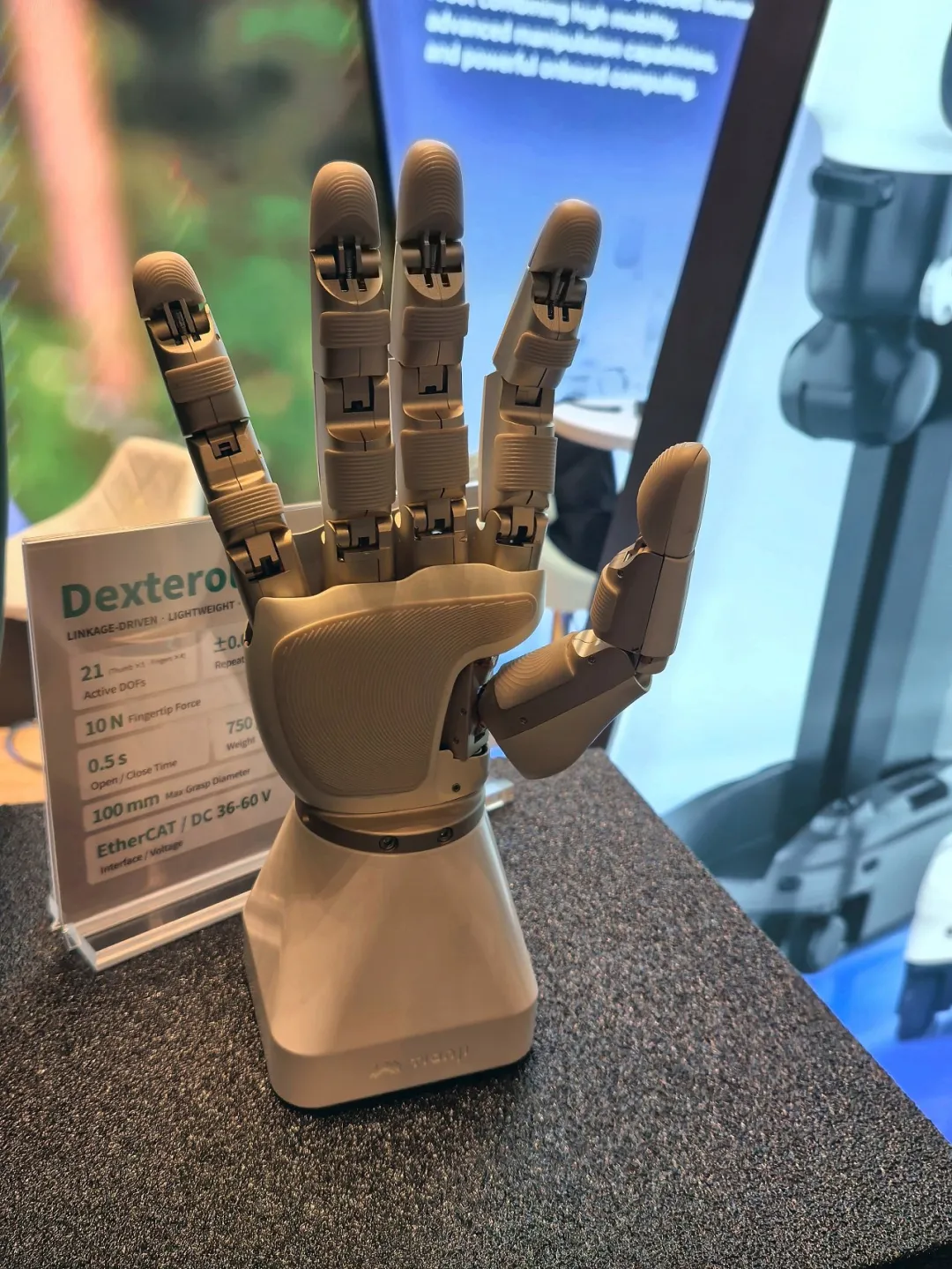
It has 21 active freedoms, uses a full-joint direct drive program, weighs about 750 g, measures 200 x 96 x 45 mm, has a rated power output of 10N, has a re-positioning accuracy of ±0.05 mm, a minimum shutdown time of 0.5 seconds, and communicates via EtherCAT. At the same time, the Robotics Workshop noted that it also uses a high-precision low-gap transmission program and structural design for accidental collisions and overloading.
These parameters outline the basic capabilities of a handyman. 21 degrees of freedom are not particularly common in the current industry, but for robots, freedom is never as simple as the more the better. With each addition of a movable joint, the system needs to deal with more position relationships, transmission errors, and control variables.
If there is a large gap in the mechanical structure itself, the control system will need to be compensated continuously; if the transmission chain is significantly shaped or reversed after the force is applied, the position of the finger may be different even if the same control instructions are issued by the robot. This type of error may have a limited impact on simple extraction, but may be a long-term obstacle to precision operation and data collection.
For example, when training a robot to grasp objects of different shapes, the model needs to know the physical outcome of a given action. If the same control instructions produce different finger positions at different times, the data collected will appear inconsistent. The robot needs to not only learn how to perform the action, but also face uncertainty from the mechanical system itself.
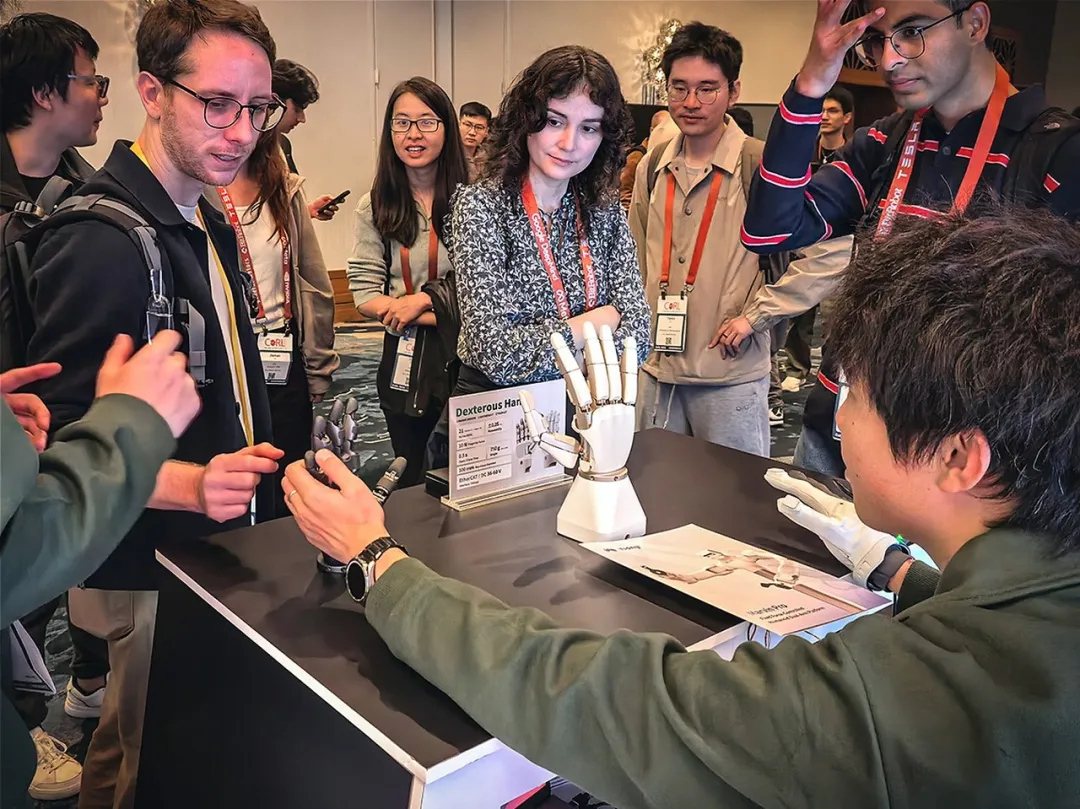
The first solution given by the spacecraft was to start with the transmission structure. Its ingenious use of a full-precision transmission program designed to reduce mechanical gaps through multipoint-zero backrest transmission, and control of assembly and passages. This means a low-gap transmission that can more easily achieve repeat positioning, multi-point synchronization consistency, and long-term operating stability. Precision is no longer entirely dependent on the control algorithm at the end to compensate for errors, but reduces the source of errors at the mechanical structure level as much as possible.
This is particularly important for a pair of hands with 21 active degrees of freedom. The more stable the mechanical movement, the easier it is for the control system to establish predictable motion relationships, and the easier it is for robots to repeat the same set of operations. The 21 degrees of freedom precisely means that the hand has plenty of combined motion space to support multi-finger synchronization and more complex grappling gestures, but not to increase overall computational redundancy.
This is equally important for real robot training. Physical intelligence requires large amounts of operational data in real environments, and data quality depends not only on models and sensors, but also on whether robots are able to stabilize reproduction with each move. The higher the consistency of the mechanical system, the easier it is to form a reliable training base.
The second solution is to allow the joints to be driven in reverse by an external force.
Traditional performers often place more emphasis on performing their movements according to control instructions. When the fingers are in contact with objects or are subjected to external forces, the robot can easily become too stiff if the joints are difficult to reverse drive. Grabbing a hard object may not be a problem, but in the face of fragile objects, irregular shapes, or tasks requiring contact with humans, too strong a stiffness can be a limitation.
The clever hand emphasizes that 100% of the joints can be reversed. That is, when an external force acts on the finger, the joints can be reversed, rather than always resisting external action. This gives the finger a better smooth base. For example, by grabbing a fragile object, the robot does not always have to finish holding in a fixed posture and rigidity manner, but can adjust the movement according to the situation of contact; when the finger is accidentally hit, the joints can also reduce the impact by reversing the rigidity resistance.
But the anti-drive is not the same as the force control itself. It provides a mechanical level of maneuverability that really allows the robot to adjust position and momentum depending on the task, but also requires the involvement of the control system. Therefore, the antenna combines full-junction anti-drive with MIT smoothness/bit mix control.
The MIT model simultaneously sends down position and torque directions, allowing the joints to exhibit properties similar to variable stiffness springing. The robot can both control the position of the finger movement and adjust the force and flexibility of the joints in the contact process. When the finger encounters external resistance, the response can be adjusted according to the control strategy, rather than simultaneously maintaining the original position.
From a technical point of view, the antenna emphasizes not simply adding more sensors to each joint, but through full-joint feedback and smooth control, allowing the mechanical structure and control system to share interactive contact tasks. Its value lies in providing more direct smoothness for the agile hand while reducing the dependence of complex contact tasks on rigid position controls.
03.
It's a good hand and you can use it.
It is not difficult to make a single grab in the lab, but it is difficult to operate continuously, to repeatedly grab different objects, and to maintain stability after collision, overload and external interference. This is another important part of the product range: impact resistant and overload resistant design.
The size of the fingers of the hands is limited, and the internal space needs to accommodate the drive and transmission structures. To achieve richer movements, the joints and transmission chains need to be highly integrated. But the more compact the structure, the more the impact of external shocks on the internal institutions needs to be considered.
Because robots in real environments cannot always work under ideal conditions, fingers may touch the desktop, equipment, or may be accidentally blocked in the crawling process. If the transmission structure is too fragile, a collision can cause mechanical damage, which can lead to calibration, repair and replacement problems. For long-running robots, these problems eventually translate into cost of use.
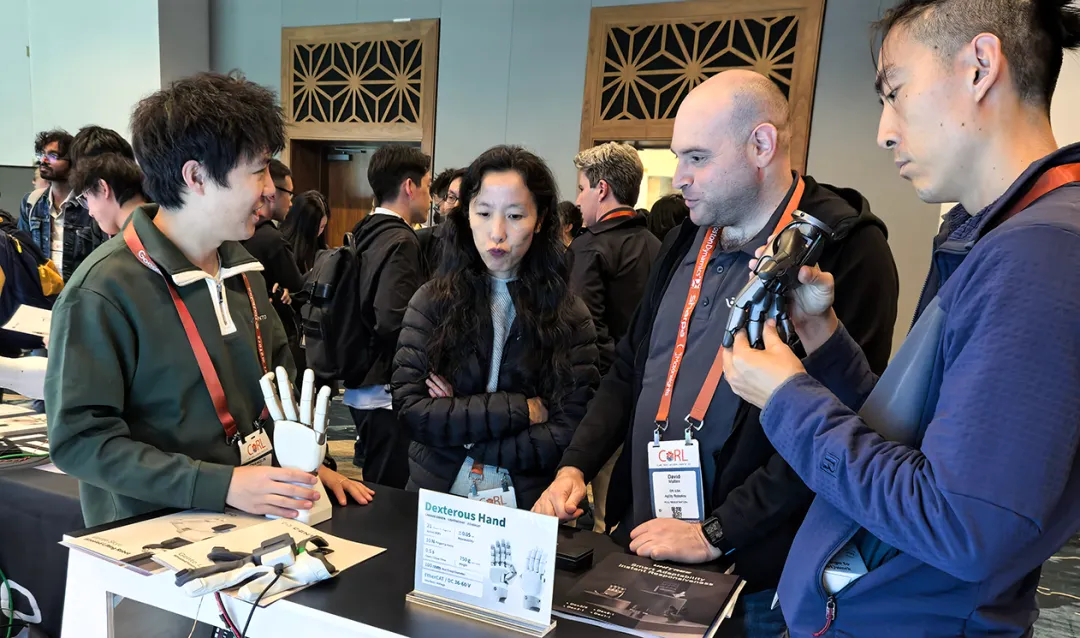
The spacecraft uses industry-proven propulsion systems and is designed for accidental collisions and overloads, with emphasis on impact resistance and overload resistance. It hopes to take the finer hand from the laboratory's precision facilities to further advance reusable engineering products.
It is also worth noting that the output of the thumb is rated at 10N, and emphasizes greater thumb output under the same shape size. The product manual attributes this to the direct and low-gap transmission schemes, reducing the power loss in the transmission process, so that the drive torque is more effectively converted into the output of the thumb.
This involves an engineering weighing, which is that the brilliant hand must be small enough, light enough, and strong enough. If the driving ability is simply increased, it can lead to volume, weight, and temperature rising problems; if the brilliant hand is compressed to lighten the driving ability, it can also limit the range and continuous operation. How to increase the power output in a limited space while controlling structural complexity and operating temperature rise has always been an important topic of brilliant hand design.
In addition, the control interface will be upgraded to EtherCAT. For agile hands that require multi-joint synchronization, communication is not only a transmission control instruction, but also related to synchronization and real-time response between multiple joints. EtherCAT provides the basis for real-time industrial communication for multi-joint control, helping to integrate agile hands into the robot's overall control system. From low-gap transmission to full-joint reverse drive, from smooth mix control to shock-resistant design, the machine tries to make flexible hands not only perform in motion demonstrations, but also to maintain reliability in complex, repetitive and unpredictable real-world environments.
04.
From the shrewd hand to the force-controlled arm, the aircraft is filling up the chain of precision operations.
In the process of completing the robot's operational tasks, the hand does not work independently, it requires the mechanical arm to provide movement space, requires the joint control system to complete position and torque control, and requires an upper-level model to understand the task, identify objects and generate movements.
The spacecraft has previously built a corresponding technical system around the force-control joint module, force-control algorithm and human-power control arm. Its technical layout covers the underlying sensing and drive, joint control, mechanical arm execution, and interface capabilities of the upper-level model.
At CoRL 2026, the spacecraft demonstrated platforms such as Gento Luna and Marvin Pro. Gento Luna is a 26-degree all-wheel-drive folding robot with a height that varies between 1720 mm and 790 mm. It is equipped with a two-armed force control system. When it interacts with the audience, it can perform movements such as waving, controlling the heart, clapping, and handing the notebook to the audience after the interaction, demonstrating the ability of the robot to quickly process the relationship between position control and external forces when in contact with humans.
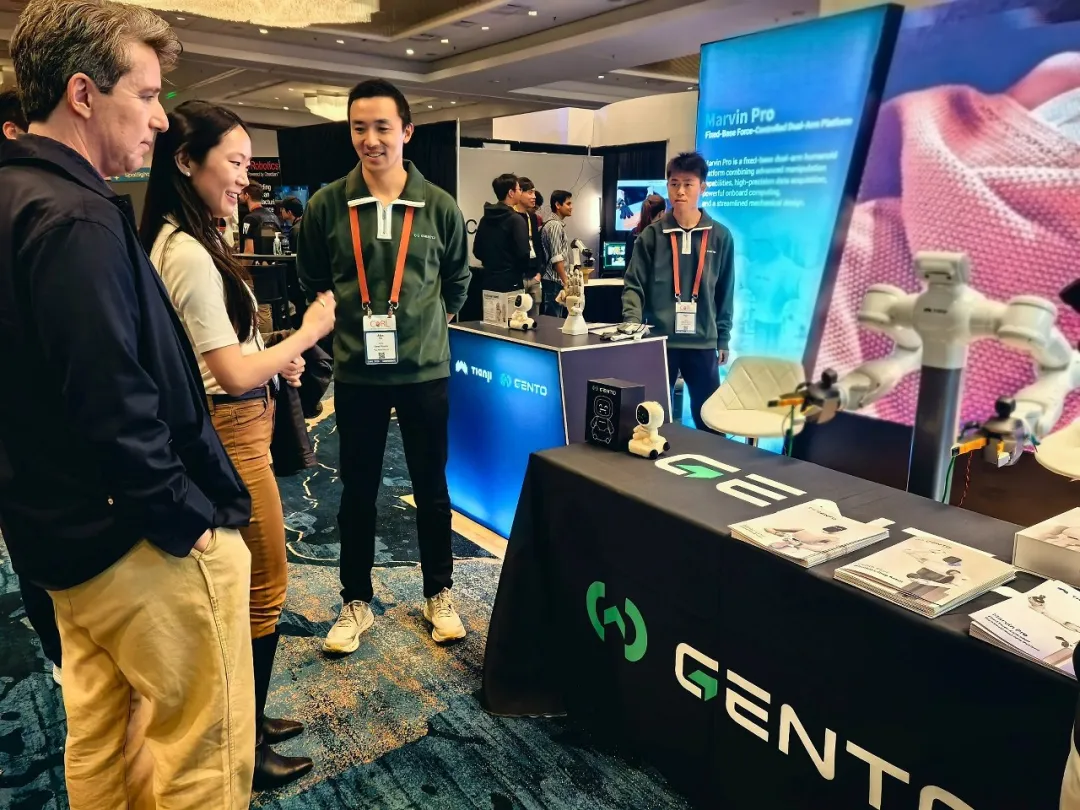
The Marvin Pro is a fixed-force man-made two-arms platform primarily aimed at AI data collection and precision operation. It is equipped with M6S-696 full-power control two-arms, single-arms 7 degrees of freedom, a working radius of 696mm, supporting VR remote operation and long-range operation.
This time, the Great Britain used the remote-operated day machine arm, with the large arm length increased from 288 mm to 400 mm, the arm span mentioned 809 mm, the joint speed limit mentioned 220 degrees per second, with the power control arm of the day machine, the GR00T 2 model migrated the wrist movements in human first-person video faster, more work space in the chest, and the movements learned by the model are also easier to migrate to the robot.
In this process, the visual perception is responsible for identifying targets, the model is responsible for understanding tasks and planning movements, and the mechanical arm and end executor are responsible for converting instructions into real physical operations. The spacecraft's self-developed MarvinGrasp model combines visual perception, three-dimensional space understanding, and autonomous motion planning; the Fusion X opens up parameters such as position, force, and rigidity as standard APIs to provide an interface between the upper model and the physical execution system.
There is a clear technical connection between the system and the smart hand. The model can decide what to grab, from which direction to approach, and what moves to perform next. But when the task enters the actual contact stage, the robot also needs to know how to control the joints, how to adjust the force, and how to respond when faced with external resistance. The smart hand provides multi-finger operation capabilities, the power control system provides the control basis in the contact process, and the model is responsible for transforming the task intent into executable moves.
If vision and models let the robot know what to do, then force control and dexterity determine whether it can actually do things right. For precise operations, especially, coordination between the mechanical arm and the dexterity hand is crucial. The mechanical arm is responsible for delivering the hand to the right position, while the dexterity hand needs to perform multi-finger coordination and contact adjustment within a limited space.
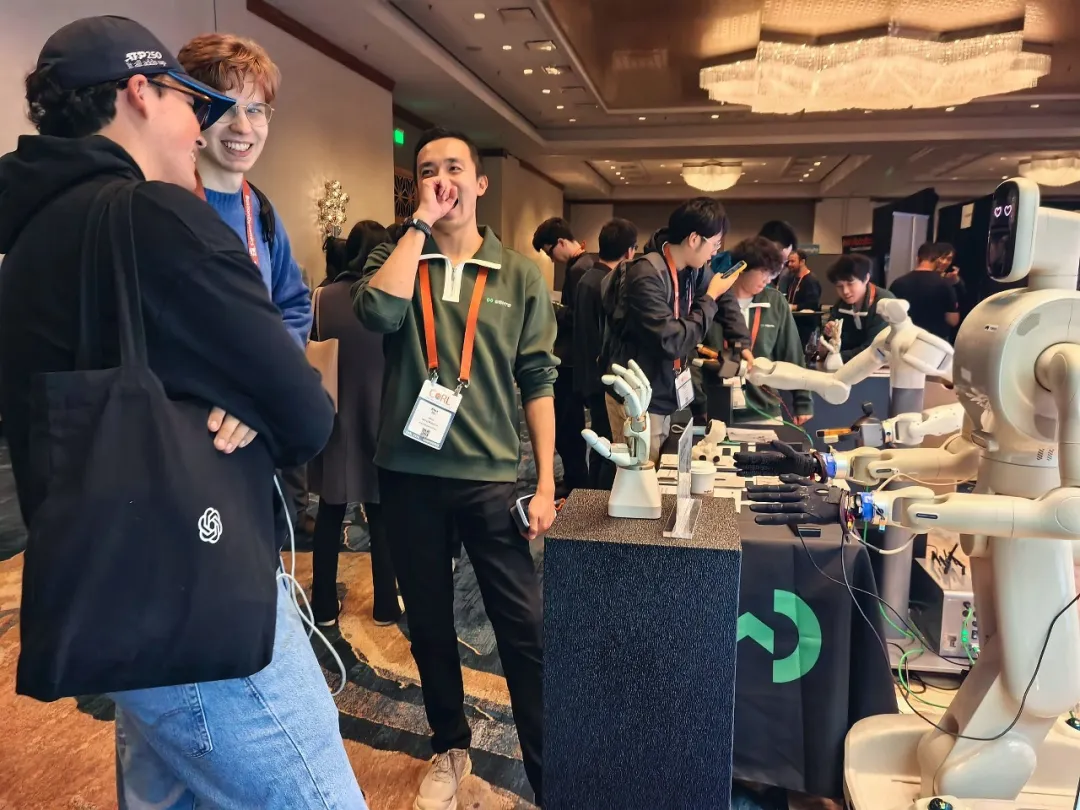
This is also the significance of bringing the sleek hand with the power control platform to CoRL. It shows that it is not an isolated end product, but a continuous technological chain from joints, power control arms to the sleek hand, and models and data collection platforms.
05.
The next barrier to being physically intelligent is for robots to learn to use their hands.
The development of physical intelligence is undergoing a remarkable change.
Early discussions focused more on whether robots could understand the environment, identify objects, and perform actions as directed. As VLA models, world models, and real robot data evolved, the industry began to shift its attention to more specific operational capabilities, thinking about how to get robots to break through physical AI barriers.
The focus is on whether robots can grasp objects in a stable way, adjust their movements during contact, and complete precise tasks that require multi-step coordination. This means that the boundaries of the ability to be physically intelligent are extending from task understanding to physical operations.
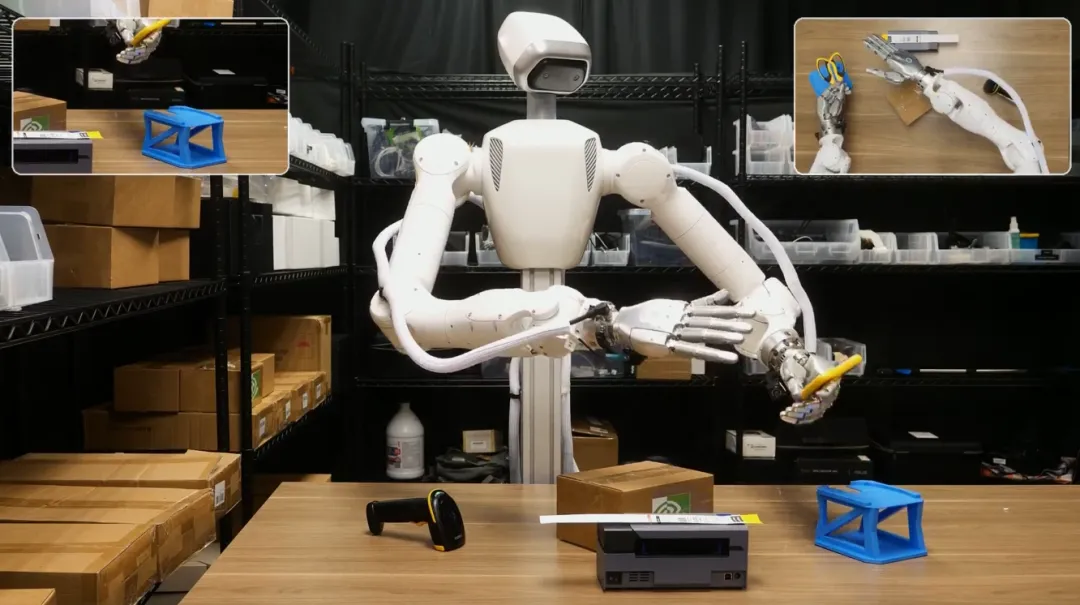
In this process, the importance of dexterity will become increasingly prominent. It is both the end point of the robot's direct contact with the physical world and the final test of the model's ability to move. A model can generate seemingly rational movements in a digital environment, but only when the mechanical structure can execute them accurately, the joints can steadily control them, and the contact process can respond smoothly.
This also explains why the competition of the agile hand cannot be limited to freedom. Freedom determines how many combinations of moves the hand can form, the precision of the movement determines whether these moves can be stabilized and reproduced, the anti-drive ability and smooth control determines whether it can handle the external forces in the contact process, while the power of the fingers and the ability to withstand shocks depend on whether it can perform the actual task. Together, they constitute the actual operational ability of one hand.
The launch of the 21 degrees of freedom direct-driving brilliance attempt to integrate these capabilities into a comprehensive engineering program. It builds on the precision foundation of full-junction direct-driving and low-gap transmission to improve access adaptability through full-junction reverse and MIT smoothness/bit hybrid control, and further consider reliability and system integration in actual deployment through shock-resistant motion, fingerprint power and EtherCAT communication.
The value of this pathway is not to prove that robots already have exactly the same hands as humans, but to allow the robot's end-user to gradually have a richer, more stable embodied manipulation capability.
Of course, a pair of smart hands can't solve all the problems of physical intelligence alone. Complex operations still depend on synergy between perception, planning, control, data and reality. Smart hands also need to verify their long-term reliability, adaptability to complex objects and task generalization in more real-world scenarios.
Whether a robot can understand the world determines whether it can't find the right tasks; whether a robot can change the world with its hands determines how many tasks it can actually complete.
From grabbing an object, to holding it in your hand, controlling it, using it, it's the distance between the execution of an action and the physical interaction of a person with physical intelligence.