A few days after the launch of Images 2.6 on November 4, OpenAI has shouted:
GPT is cooked.
GPT-6 is complete.
Let's start with the new model of MiniMax, H3 Image.
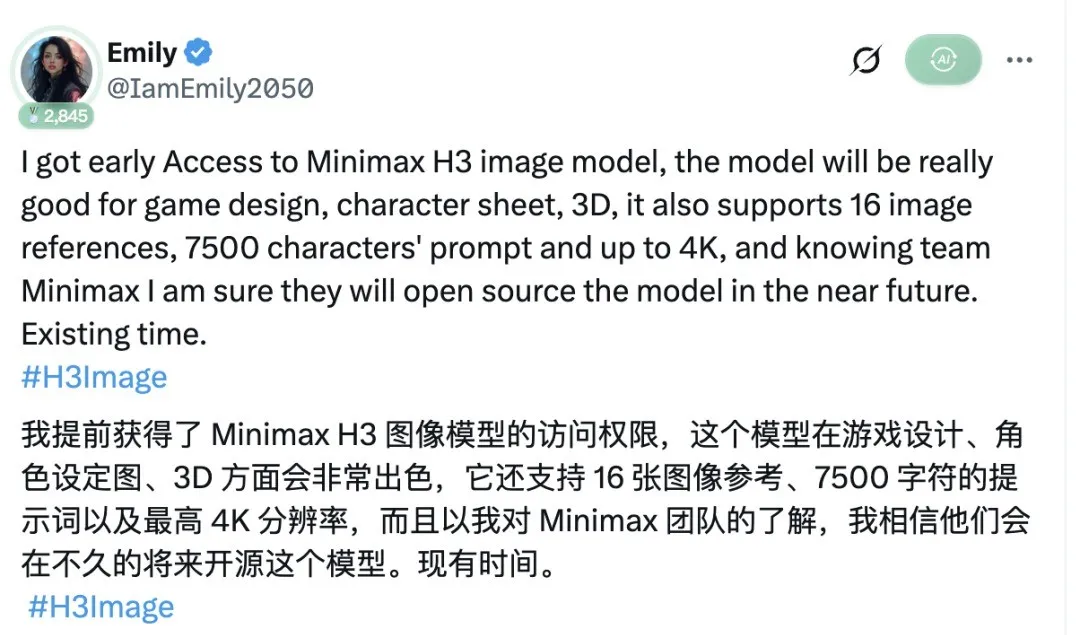
Emily, an intuitive gamer, reports several hardcore parameters:
A maximum of 16 reference charts, with suggestions for writing up to 7,500 characters, with a maximum output of 4K.
She made a bet: with her knowledge of the MiniMax, the model will soon be available.
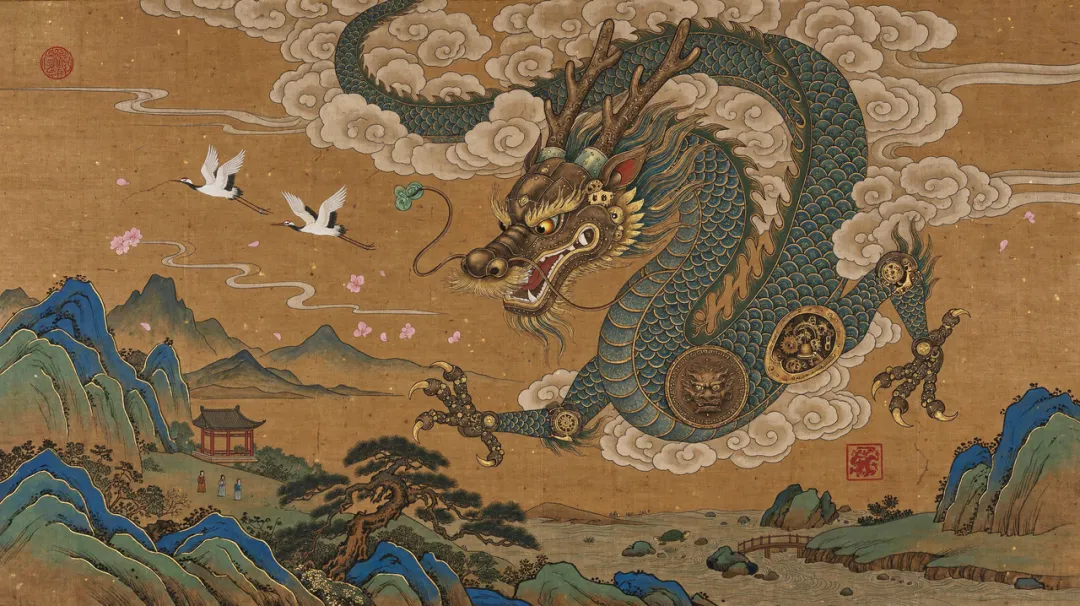
Today, MiniMax officially released H3 Image, which is open-source, simultaneously open API, and can be used directly in its own MiniMax Code, open platform, and naughty AI.
Three months ago, the company launched the H3 video model, and the research team, Pika, Fal, based on it, re-trained the derivative model.
H3 Image's official position, SOTA, is an open-source image model, and the overall effect is in first place globally. The word sounds a bit numb, but it has another label that is even more interesting: instructions to follow capabilities.
It's open source, high-definition, fast.
H3 Image can directly generate images in 4K (~4096×4096).
For creators, high-resolution means more detail, greater cutting room, and expanded image availability, such as the ability to accommodate posters and web pages of different sizes, and localization to highlight a person or product.
The mainstream models on the market are usually in the range of one million to four million pixels, and the speed is typically minute-by-minute, the fastest being around 50 seconds. H3 Image produces 4K images in only 10 to 20 seconds, reducing the time cost of attempts. If the design, color or light details need to be adjusted, the creators can quickly see the results and continue to modify.
This is the first time that 4K's daily creation has become a reality.
AI is more than beauty.A group of bloggers who qualified for the test yesterday have already posted a picture.
Blogger Muhammad Ayan opens with the words, "Turn China out another one", and then paints a picture: a picture comes in, a whole set of 4K characters set out, all face, back, facial features, holes, sparrows, fine hairs.
The bottom line is: AI people like that layer of "plastic skin" is gone.
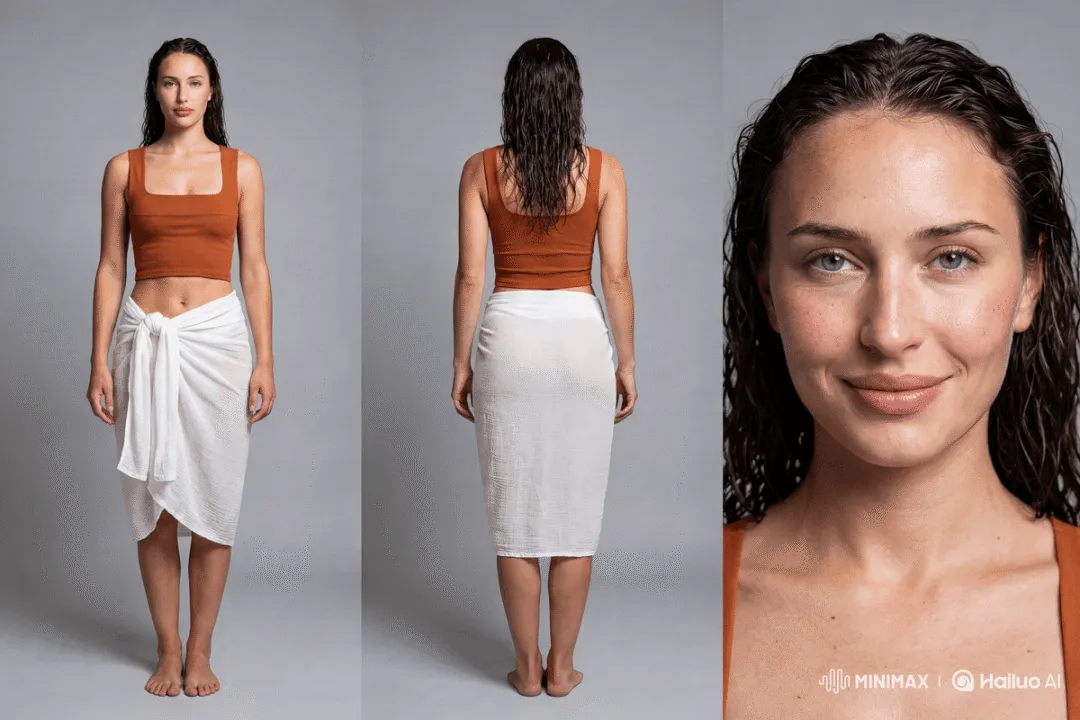
I don't really have much of a reaction to seeing it here. "A more real photographic model", someone shouts out every month.
I turned around and the wind changed.
Papillon flipped out an old sketch of the GTA: San Andreas, making it a next-generation 3A masterpiece, with the caption: CJ has been waiting 20 years for the quality upgrade to arrive.
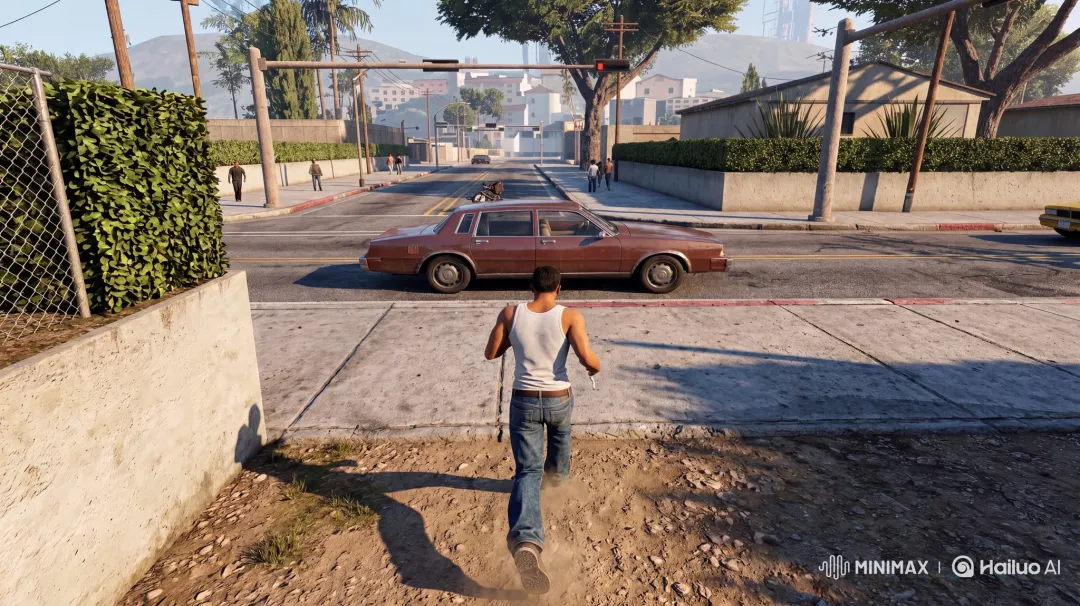 | 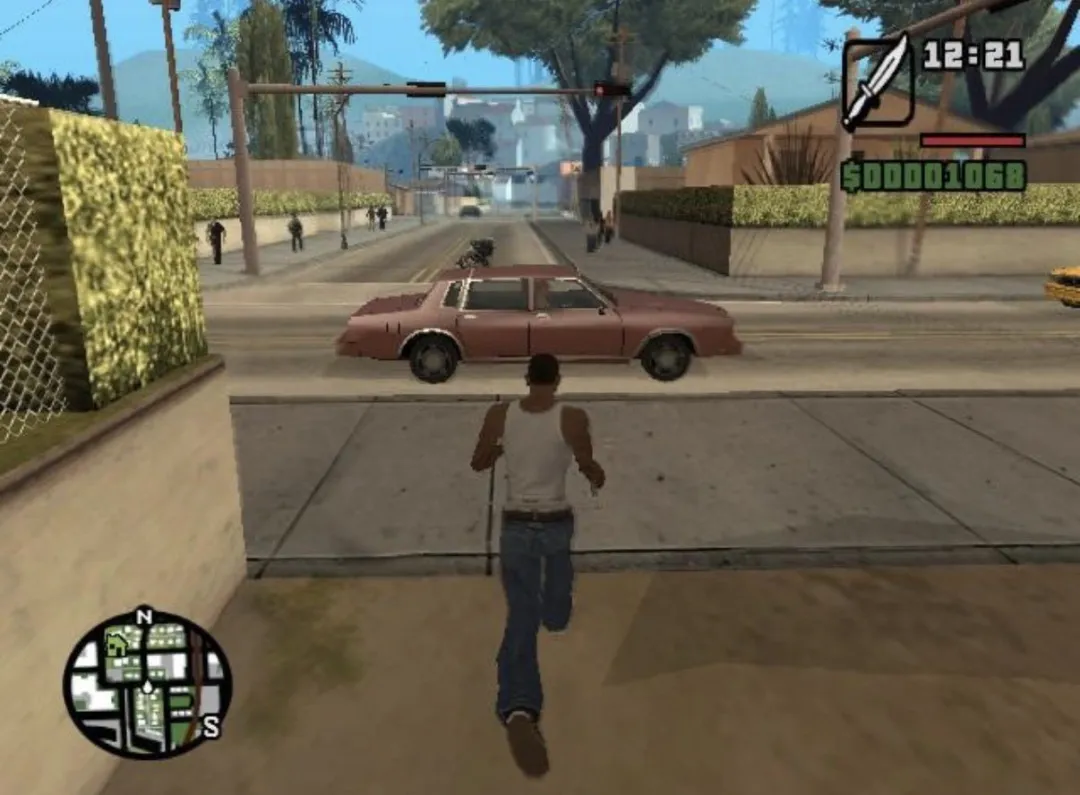 |
Dr. Sadek has a passion for documentary photography, cyberpunk animation, and four other genres to get netizens to vote.
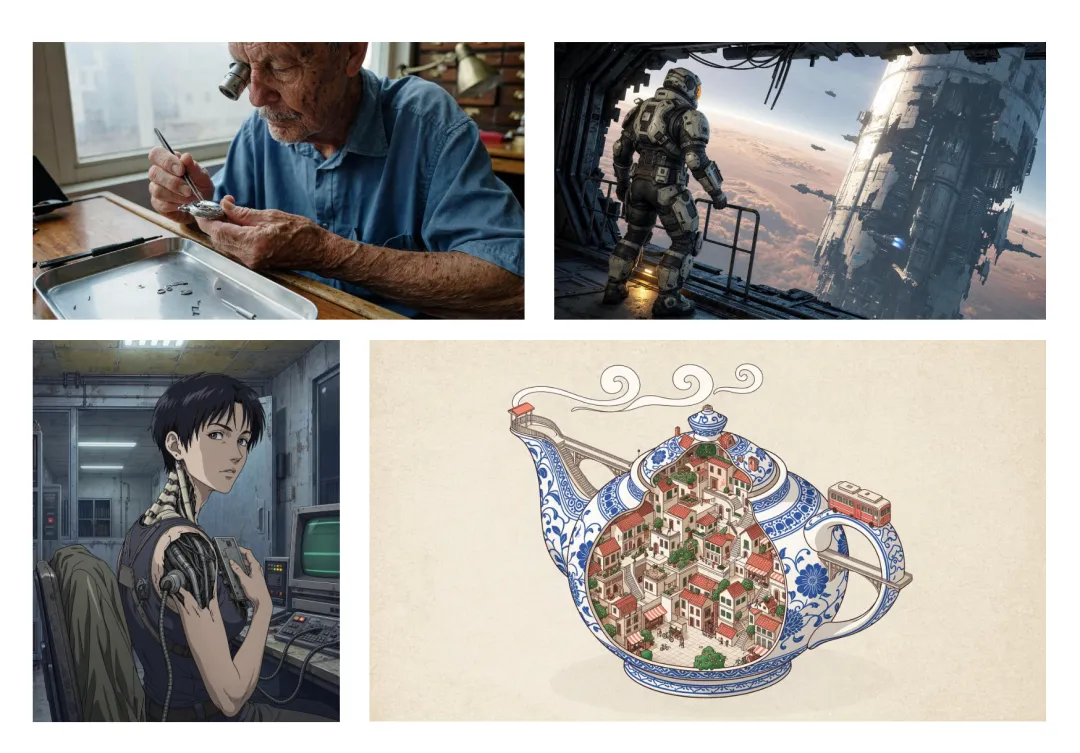
Israa Ali shouted "GPT is cooked", measuring 3A game assets and 3D scenes.
 | 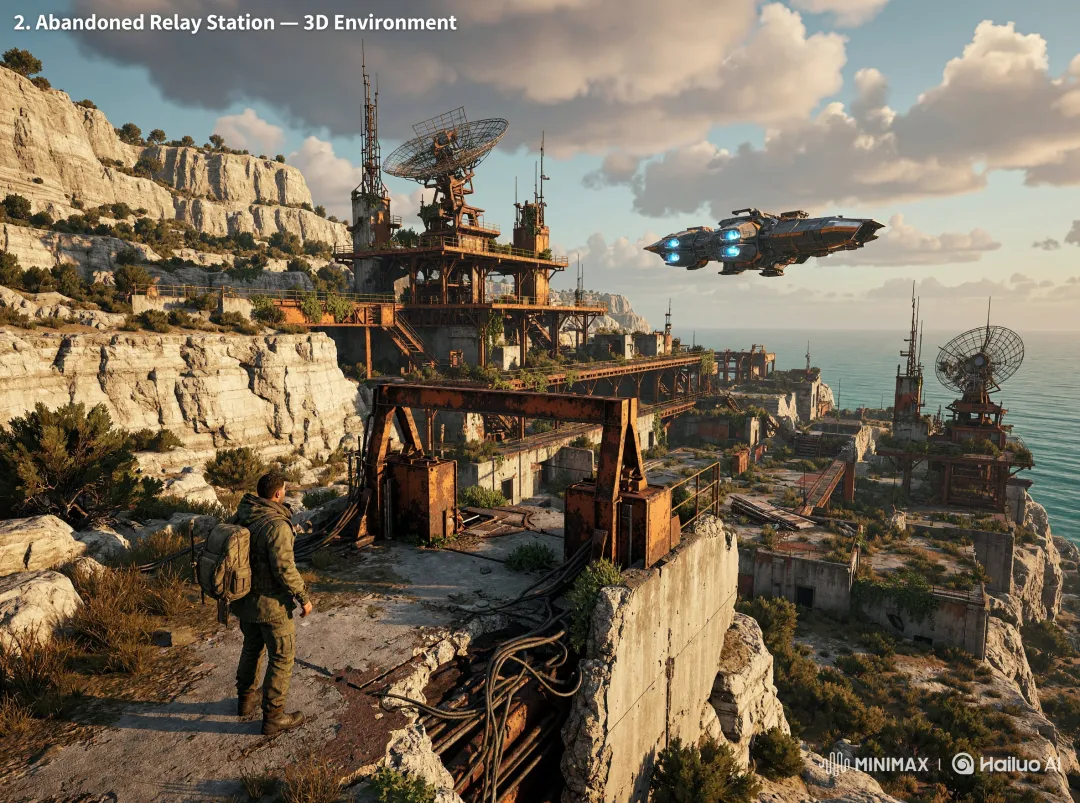 | 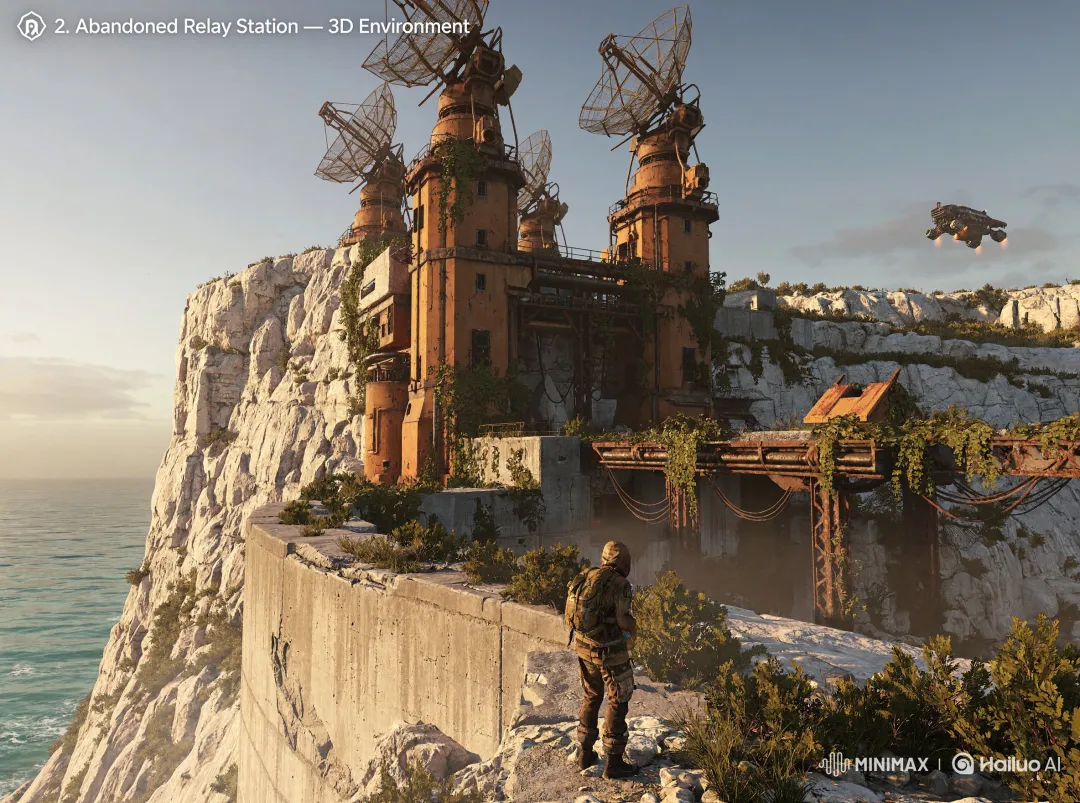 |
It's not just "the map".
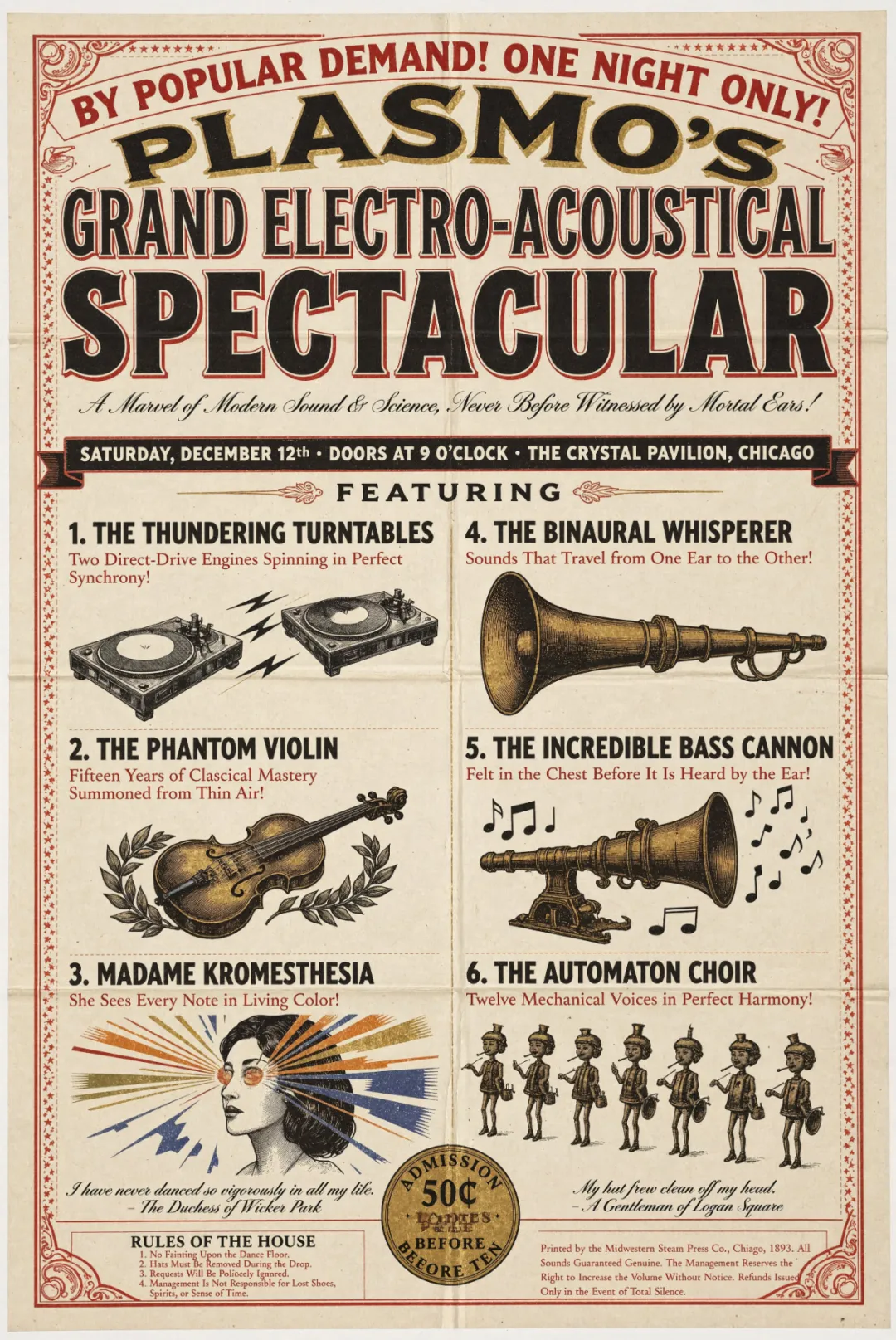
Plasm0 takes it in bold posters and says the capital letters are stable, and the lower case is sometimes wrong, but mostly right;
He also measured the gesture of American Sign Language and said, "A lot better than Moss".
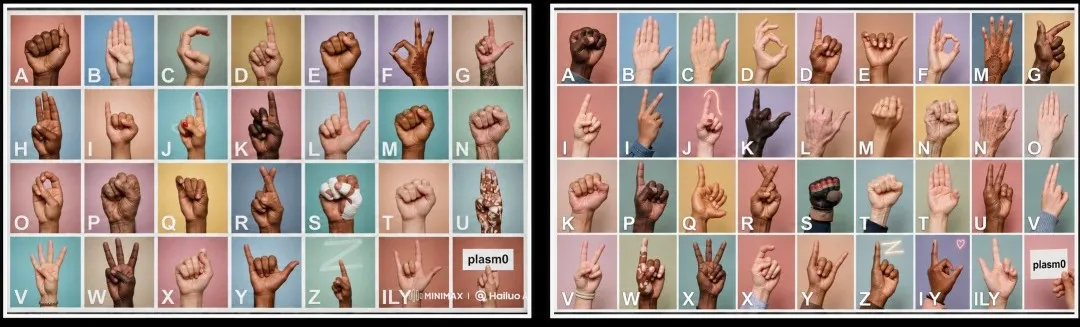
H3 Image on the left; Moss on the right.
Sign language is a very difficult scenario, and AI models are basically wrong. According to the ChatGPT-6.1 Sol statistics, the Moss accuracy is only 20.0%, for example, in U·V gesture interchange, a shape labeled X is actually a W·H3 image.The accuracy rate of 48.1 percent is completely in line with the assessment of "more than Moss".
Ankit Patel and studio_oneroom further developed it into a CAD-style graphic and a mechanical explosion graphic, which is the kind of part that is disassembled and suspended in half-space.
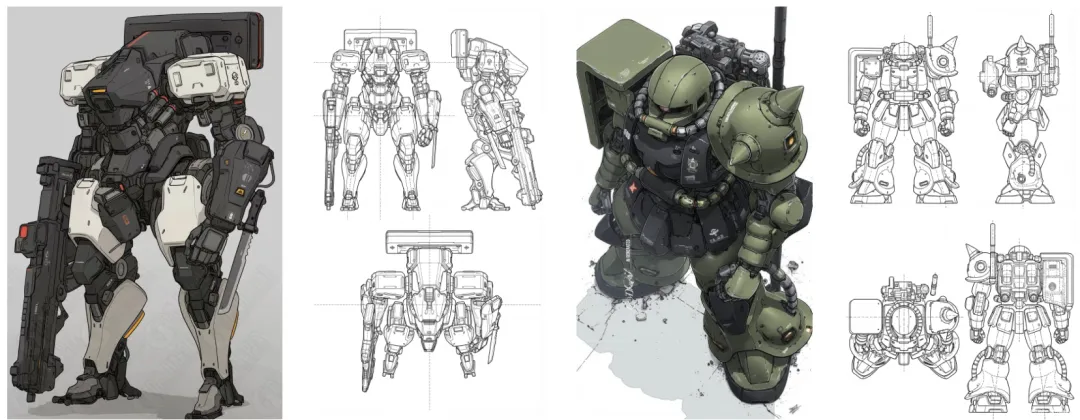
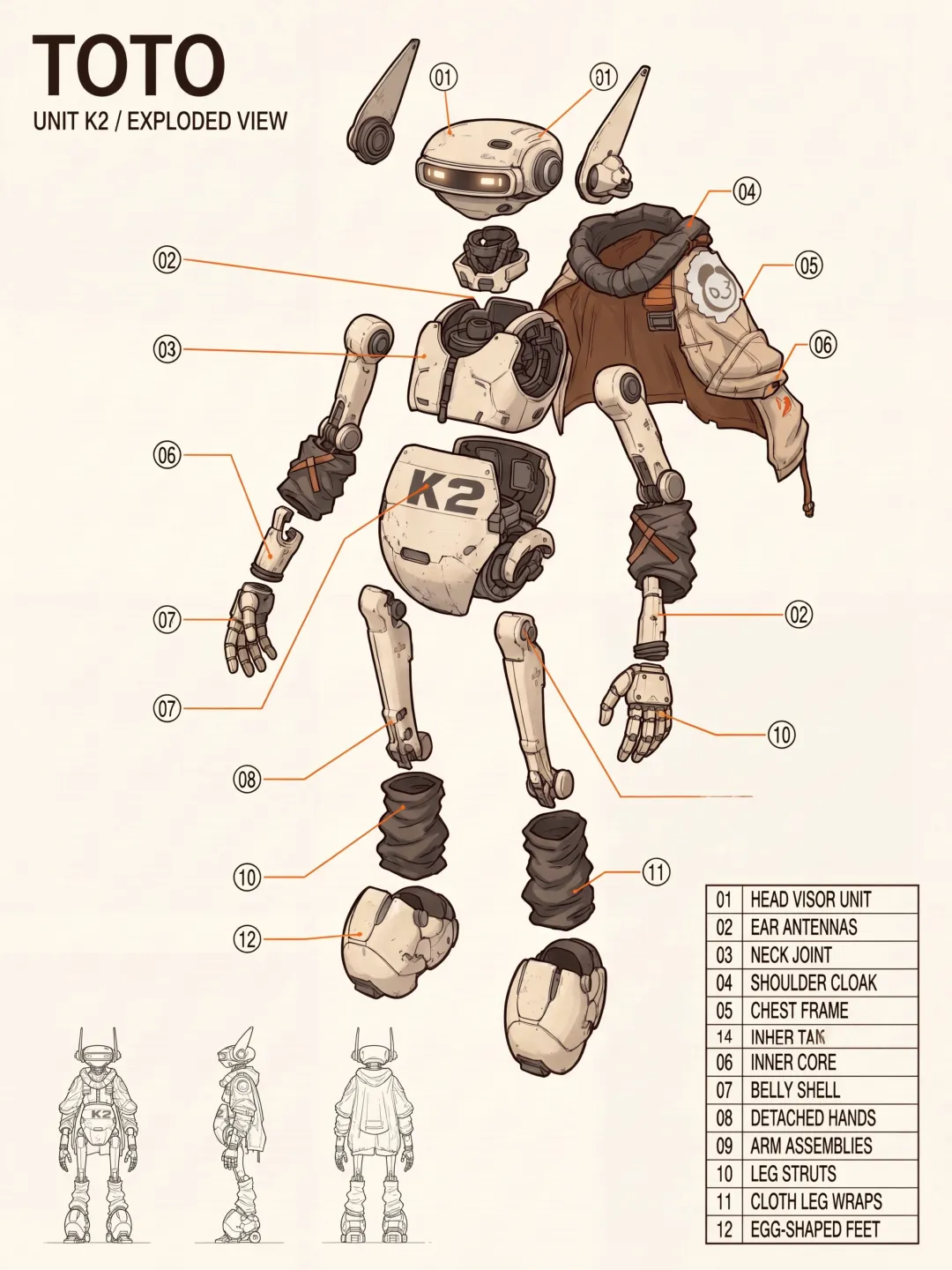
It's not hard to see, it's hard to get the words wrong, it's hard to get the gestures mixed up, it's hard to replace the parts.
This green model is not biased.Midjourney is an artist's type of model, with light shadows and textures that are difficult to pin down, but are blurred by long lines and spatial relationships.
Claude's language model was a science student with a clear logic that allowed it to write code and draw graphs, but it was not a graphic, and the texture of the image could not be compared to professional visual models.
Instructions follow strong capabilities, fast generation speeds, high pixels, as if fish and bear control are incompatible.
After obtaining intuition permissions, we did not measure human images, nor did we measure landscape wallpapers, and came up with three simple questions.
Question 1: The ability of candidates to understand map models
Some overseas creators, who had already qualified for the MiniMax H3 Image trial, came up and threw out a high-difficulty quiz!
The transformation of the Eiffel Tower in Paris into the future interstellar communications relay station in the world of cyberpunk must also be presented in the form of professional architectural CAD blueprints.
Extremely fine vector lines, strictly symmetrical architectural structures, complex anatomical designs, and even intricate engineering details can be found all together.
The results surprised the testers!
In the face of such a complex set of hints, the MiniMax H3 Image demonstrates an unexpected performance in detail, showing the ability to follow instructions.
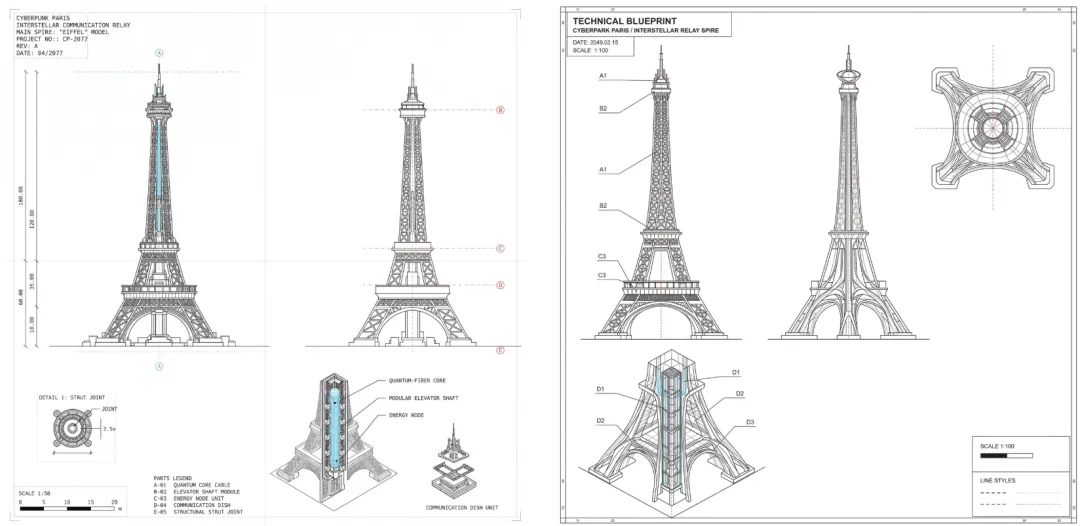
It's not a problem for the county tower to generate a blueprint for real construction:
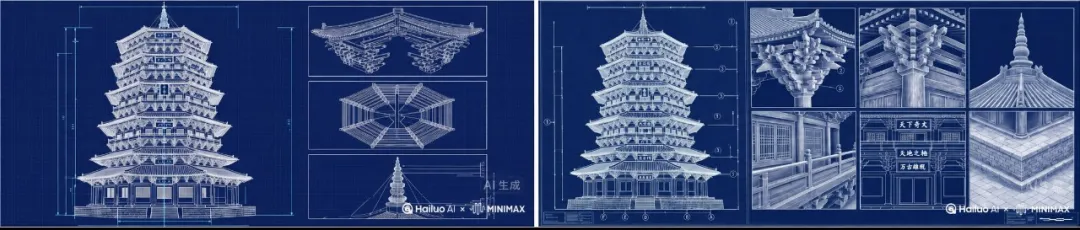
And then the coding, and the spatial sensation:
A four-legged reconnaissance machine dog first sighted the interface in the rubble after the earthquake (HUD). Requiring the prospects to see the edges of the mechanical foot, the central view shows the ruins of the collapsed building. The image must be superimposed on a three-dimensional cloud measuring grid and surrounded by a distant concrete beam column barrier, with a red 3D boundary tracking box (Bounding Box) attached to the edge with symmetrical body tilt gestures on both sides of the interface.
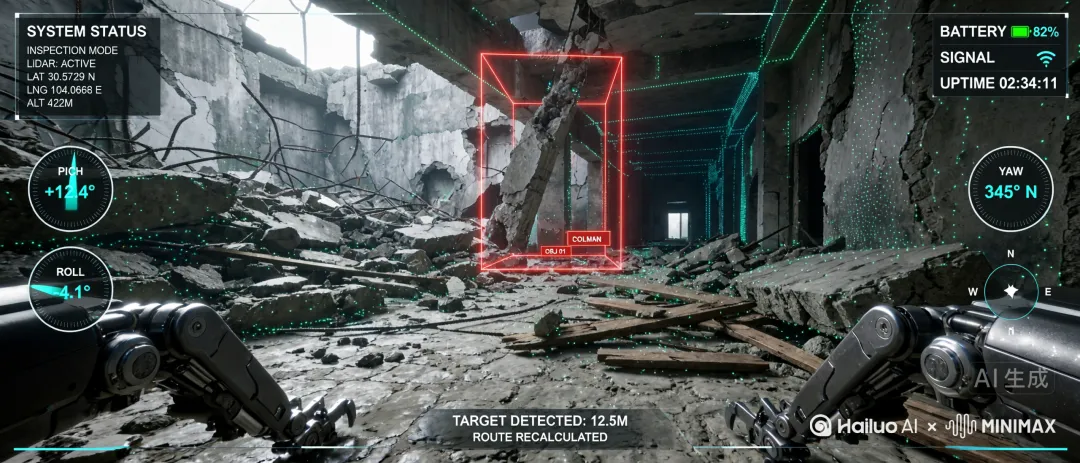
This type of diagram is most easily made into "science fiction stickers": the frame is a frame, the floor is a floor, and no one touches anyone. This is not. The red border frame is transparent, placed on the edge of the collapsed beam column in the distance; the graph of the two-sided gesture instrument, also matches the gesture that is tilted in front of the machine dog. It is a three-dimensional space in the brain, then placed inside.
Industrial-assisted design, physically intelligent synthetic data, which relies on spatial sensation, real-life detail, is a play on words.
Question 2: Is your brain working and your hands working?
Scientists are most afraid of being called "drawing like an engineering map". So the second question is changed to pure art:
The next generation of dark fantasy action video game console interfaces are captured.
In the background, a heavily armored knight stands on the edge of a cliff of ruins made up of huge skeletons, far away by the collapsing black sun, with extremely thick volumetric fog and light-tracking reflections. The foreground features a complete game UI system: the lower left corner is surrounded by dark red blood cells and blue force slots with Baroque metal carvings; the bottom of the screen features five stone sculpture skills icons with countdown cooling effects; the top right corner is a small map in the style of a translucent leather sheepskin with a faint fog.
The overall tone is cold and gloomy.

There are two common ways of dying: the UI is embedded in the background, or the UI is preserved, the protagonist collapses.
The picture is very solid. The picture shows a very high-precision dark fantasy 3D CG texture. The sky is occupied by a huge and oppressive "black day", with the edge of the dark day shattered, and countless black pebbles/fragments are floating outwards. The ground is barren, with gray rocks and dead bones, and a thick, cold, gray fog spreading over the deep. The picture is full of epic feeling and coolness.
The animation featured two sheep in a rough fur coat, with their fur reflecting brightly in reverse light, and with their fingerprints and paper cuts on the bottom of the clay, the rich details made the picture look more realistic and expanded the scope of the image model.
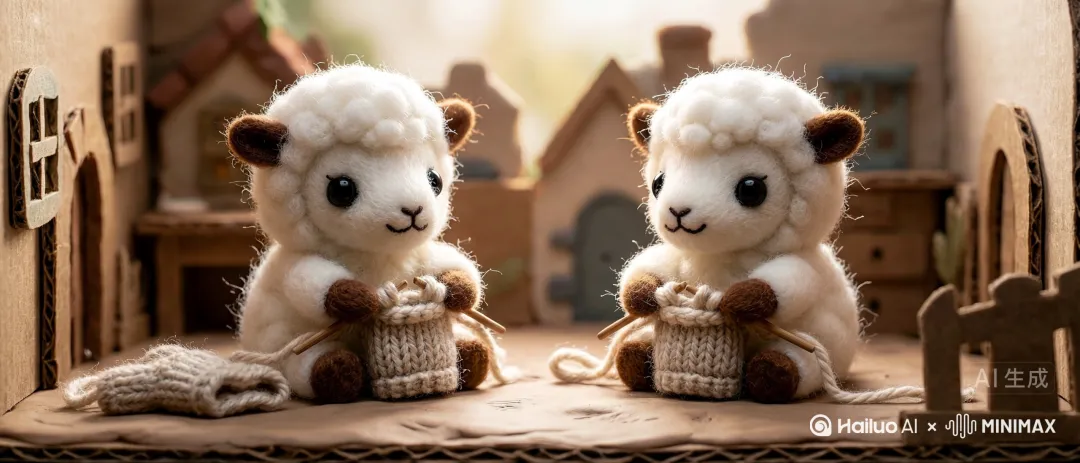
The lightweight, water-colored pencil was also tested with watermarks on roughly printed paper, without the digital taste of an AI-printed oil tank.

Question 3: A breath of fresh air 16 photos
The first two questions are about the truth of a single picture. The third question is the most painful thing for those who are working: consistency.
People who've done game assets, e-commerce charts, and series comics know, referring to a number of charts, that the model is "striped": A's face is long to B's, the color of the armor is stained in the background, and you can only draw the card once in the end.
The H3 Image has a maximum of 16 reference charts, and we're so full of them: 8 multicolored facial expressions and expressions of original 3D characters, 4 graphics of local structures and materials for mechanical limbs, power armor, and 4 photos and color plates of race car repair shops.

Then just one sentence: "The character wears this power armor and sits on a racing repair shop desk modeling the mechanical arms, focusing on emotions".
The resulting picture, the face or the face, the five-point contours and the colours are the same; the armoured joints, the hydraulic piping, are structural in length according to the dismantling of the picture; the whole picture of the colour temperature and reflection, falling on the colour plate in the workshop.
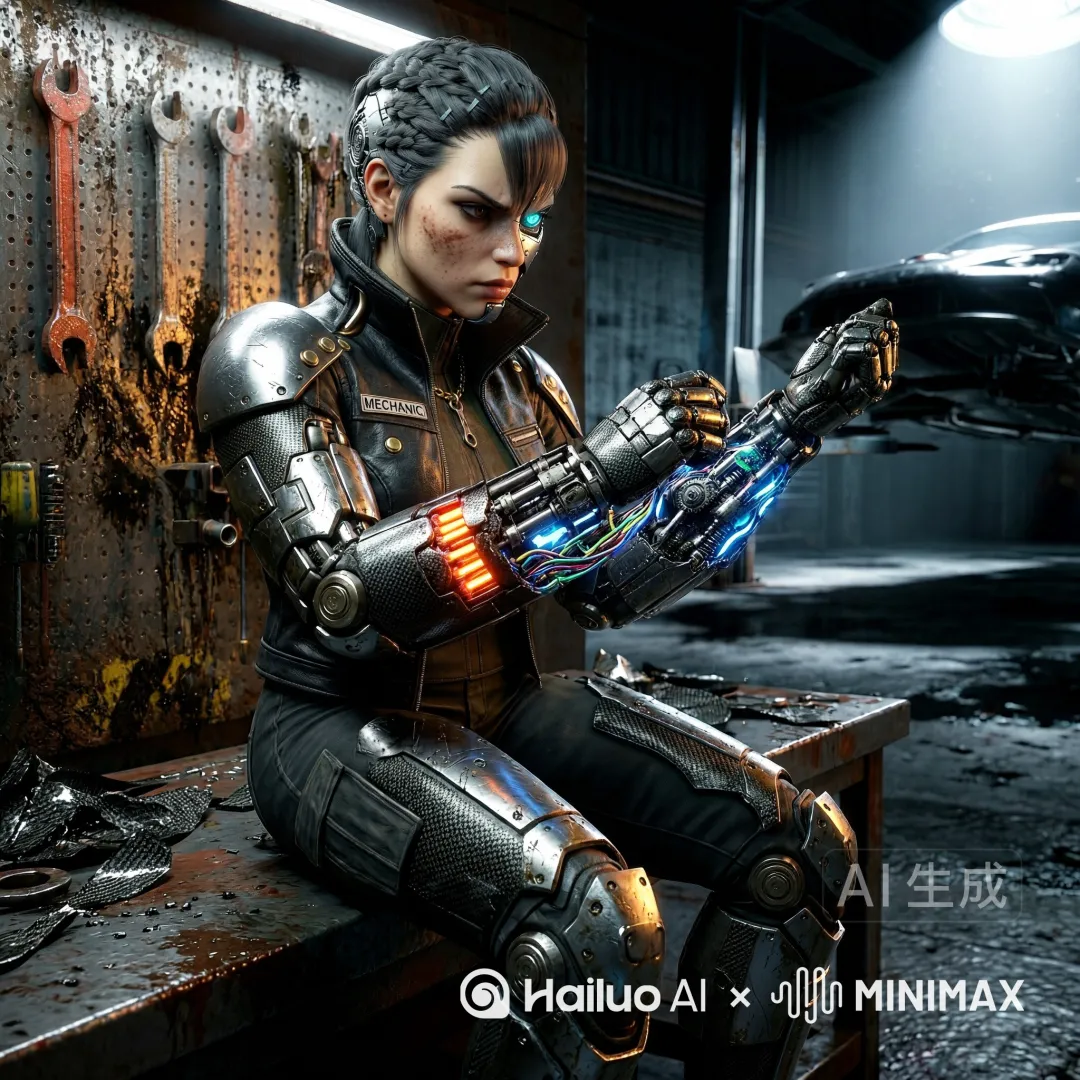
It doesn't stick 16 pictures together, it's sort of sorting out who's the person, who's the equipment, who's the environment, and then rearranging a play according to new instructions. Three views, a wardrobe, props, a scene, a brain thrown at it, a lot of filtering, an e-commerce map, a few cards drawn. For people who rely on this food, that's a lot more than "see 10% again".
I felt that the first half of the life model was more beautiful than the one who painted, and the second half was better than the one who understood people.
The old explosion diagram, which we tried in Harness, was given only one page of ORB-7 structure reference: a positive map, a central diagram, a list of parts, all in a flat engineering language.
The requirement was to dismantle the microscopic spotlight along the light axis into seven pieces, in no wrong order, with only three screws.
In the resulting diagram, seven parts were previously coated to the front of the case, the lead lines from 01 to 07 were not a single point of error, and the screws and holes were all three.
Fibre, glass, orange ink, green circuit boards, black anode oxidation metals, each with different textures. The square gold chip on the circuit board, the scattered heat slot on the outer edge of the block, the details of which are hidden in the small letters of the list, are also folded out by it.
It first understands the diagram, knows what objects to demolish, and then moves to demolish them.
Looking at the pictures, it's hard to "see" the previous biography model.
Next, we gave H3 Image 16 a direct reference map, and we deliberately crafted a "connection puzzle": 4 robot heads, 4 suits of clothes, 4 instruments, plus a gate, a floor, a moon face, and lights, asking who fits who, and it wasn't a bit confusing.
Where did this "brain" come from?This "brain" is divided into two steps.
The first step is in H3. H3 is not a mere video model from the beginning, it must read text, images, video, and sound in the same context and then generate images or videos.
So early in the pre-training phase, it reinforced the basic functionality of image.
The second step is H3 Image. At the bottom, MiniMax puts the work on the "post-training" link.
Using reinforcement learning, let the model be tuned over and over again towards a better result. Press down the number of steps to take out a chart.
In the end, deployment of optimization to make it run more cost-effectively and faster.
The MiniMax road has already been warned.
In a community quiz on August 7, the H3 team said they wanted to create and edit a unified image model.
What do you think of the book "The Source God"?H3 can be repurposed because it opens wide enough.
Domestic developers control this manufacturer called "Source God", and the name MiniMax is derived from H3: open source in less than a month, downloaded 24 million times, and more than 300 publicly available derivative models.
Fal built H3 Max based on it, and overseas developers built a 24-hour continuous "AI TV". Researchers at Ingrid and MIT released an open-source video enhancement project, Open-H3-Regenerate-2K, on October 28.
It's open source, where does the money come from?
MiniMax's way of translating adult language is to use small shops as they please, grow up and come back to talk.
Under H3 community licenses, up to $20 million in annual revenues can be used free of charge in areas covered by the agreement; over this line, or for deployment in the United States, the European Union, the United Kingdom, and South Korea, MiniMax must be licensed separately.
For example, Comfy, the company behind ComfyUI, is already licensed to represent this type of software, with a professional version starting at $5,000 per month; the Invidia research team is also licensed separately.
Let the world's engineers run on their graphics cards, trust in the code, and business follow. H3 has shown at least one thing these three months: open source and money don't fight.
The demand for images is much higher than for video, and game graphics, e-commerce graphics, and industrial design are used every day.
The last line of the H3 open source announcement is MiniMax's old slogan: "Intelligence with Everyone".
Locking the ability behind a subscription wall is a way of life, and sending the key to everyone's hands is another way.
H3 Image's weights, APIs and entrances to platforms such as Mcode are now open.