One night, Claude re-writes his life plan.
Today, Anthropic launches another cross-border biological counterattack with Claude against a mysterious life structure that has plagued humans for 40 years!
In less than four months, AI drew the first three-dimensional structure of the "Vault" in a nuclear organism in history.
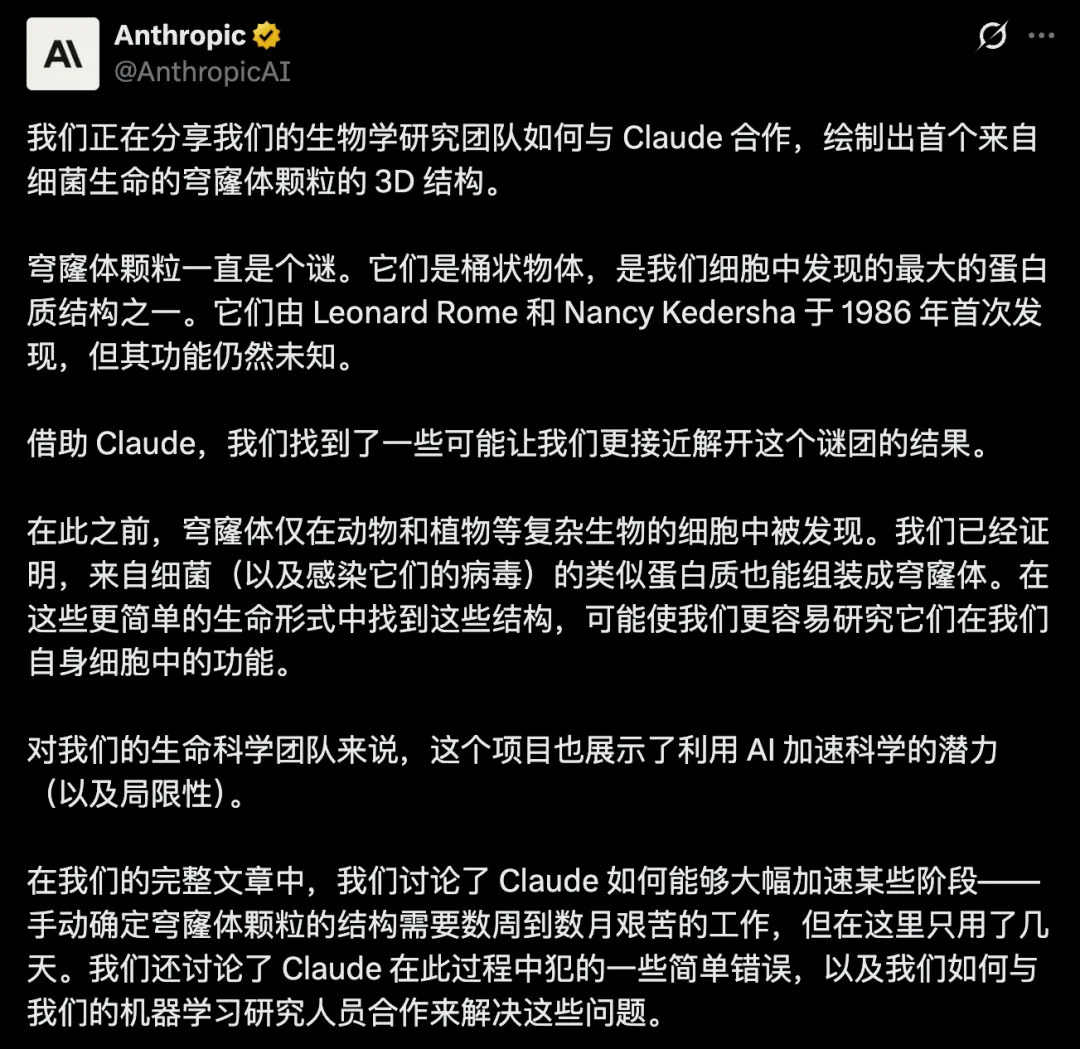
From gene extraction needles, optimization purification, to processing frozen electrophoric data, to artificial magnification modification, Claude was almost entirely present.
What is even more shocking is the speed with which it solves the puzzle, which is equivalent to "reducing the impact".
The three-day purification experiment was suppressed.90 minutesIn the past, the three-dimensional structure was only used for weeks or even months.34 hoursIt's on the table!
 A "ghost cathedral".40 years stuck in the biology world
In 1986, a team led by Leonard Rome at the University of California, Los Angeles, isolated a mysterious particle from a mouse's liver.
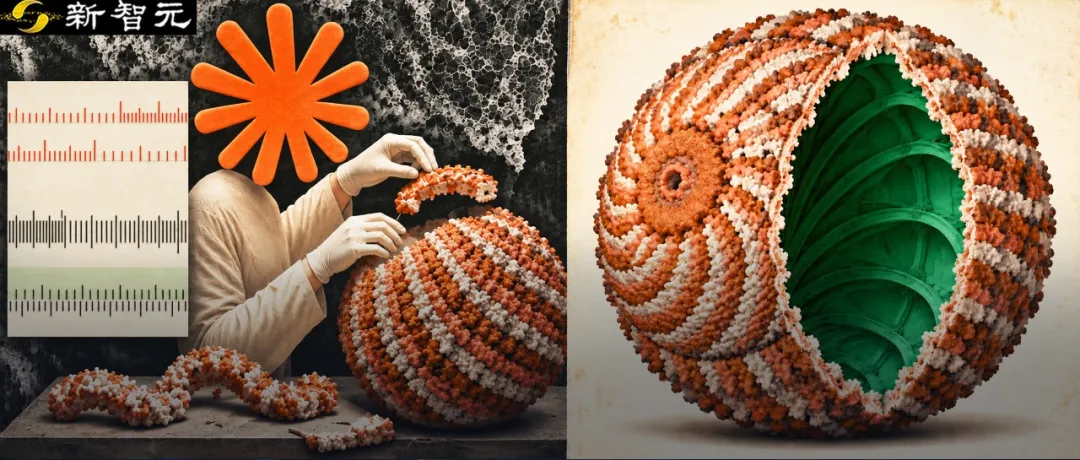
If you look in the mirror, the interior of the arch resembles the roof of the cathedral, hence the name.It's called the Vault.。
Its mass is three times that of the sucrose body, and it is one of the largest protein complexes in the cell. The mammalian cartilage is composed of 78 protein chains (upwards and downwards) that are semiconducted and surrounded by a large hollow container.
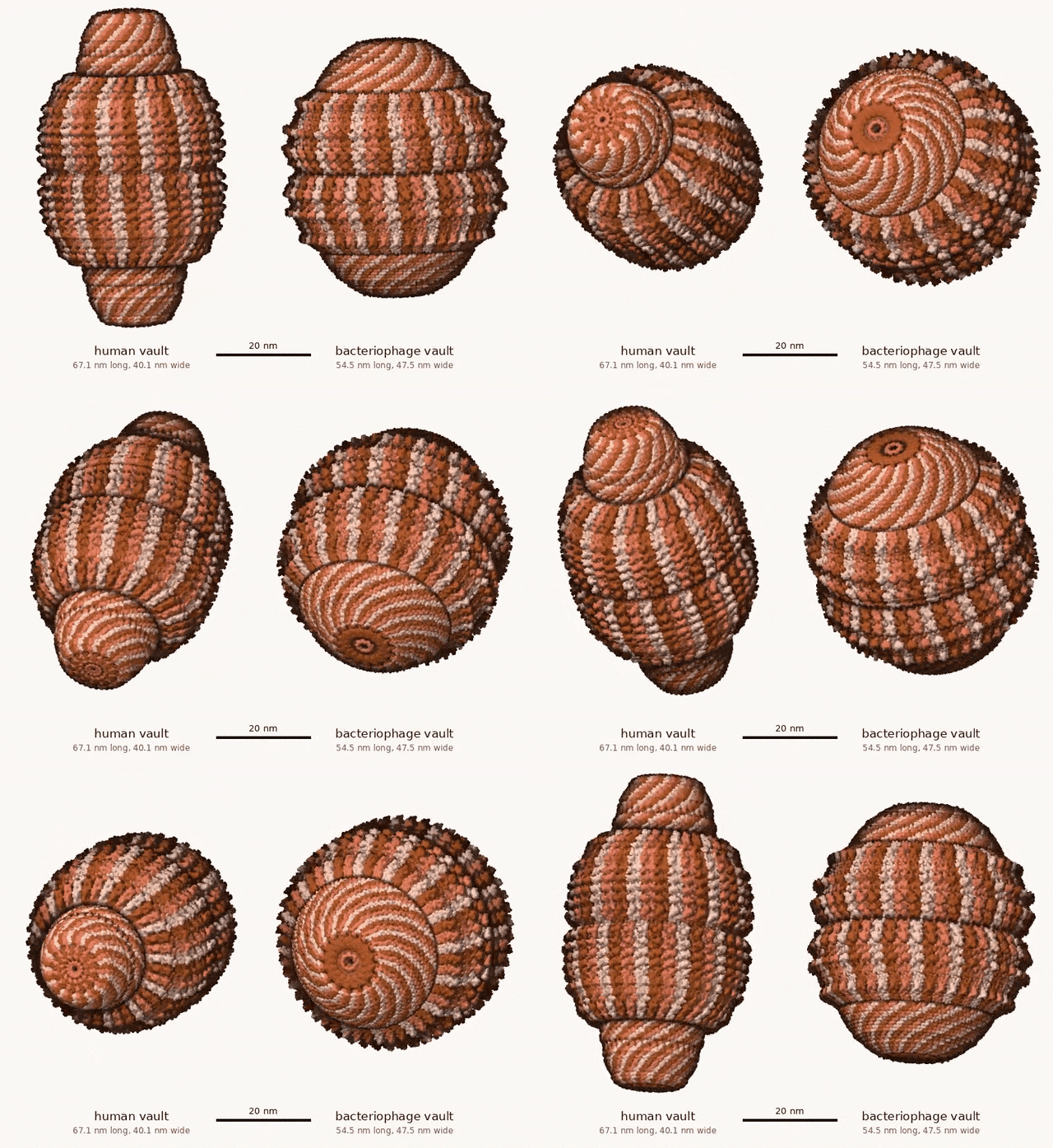
What does it mean that every human cell produces tens of thousands of empty canisters?
Most commonly used by biologists are yeasts, fruit juices, and larvae, which are partially absent from the body; the mice also develop normally after knocking out the mouse's host genes.
This ingenious "protein barrel" has been at the forefront of biology for 40 years.
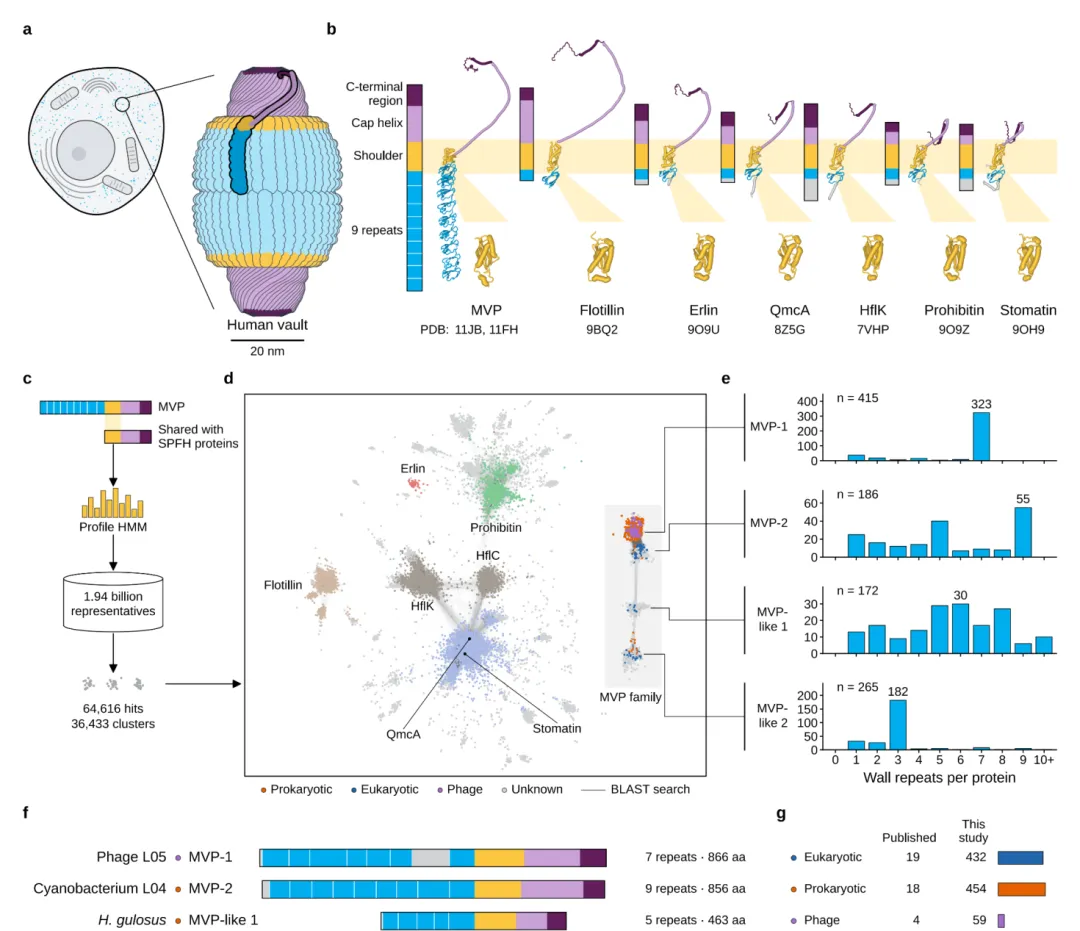
15 billion protein needles, 36 times the size of a familySince no breakthroughs could be found in complex animals, the Anthropic team decidedTo find answers in a simpler world of bacteria。
They dragged Claude Science into the lab and carried out a carpet search of about 15 billion protein sequences.
The results showed that 29 bacterial gates and four antibacterial gates contained a large number of similar genes, including viruses that infect bacteria.
This search,Directly extending the family of proteins known to humans from 41 to 1,507, a 36-fold increase in size!
They are also quite rare in the bacterial community, occurring in less than 1% of species, and are often closely related to anti-viral defense genes, most likely as special anti-viral equipment.
Finding clues is just the first step and then making them real.
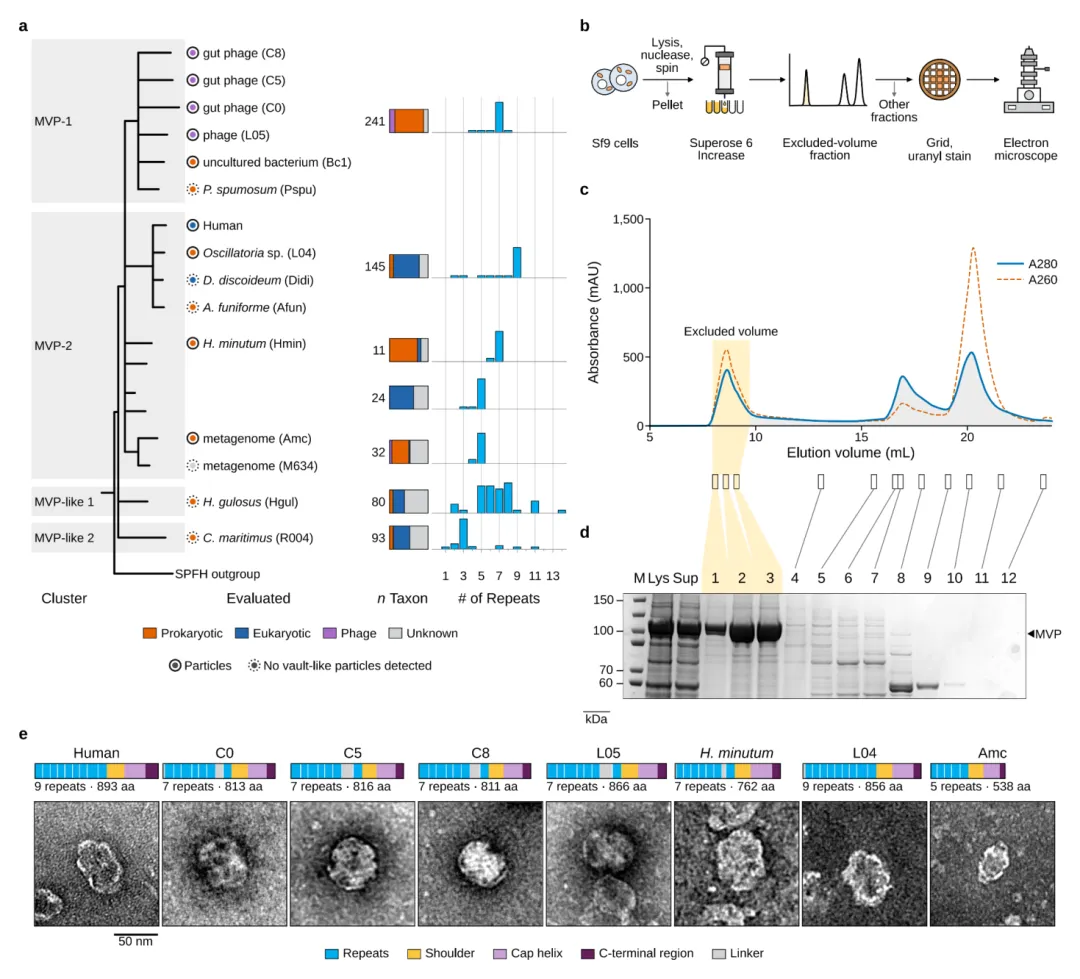
The researchers selected 44 candidate proteins from which Claude had to design synthetic DNA, express switching configurations, and even order plans.
After transferring into E. coli, fifteen candidate sequences successfully created soluble proteins. But how to remove these particles that are hundreds of times cleaner than normal proteins and immediately become a buffer tiger?
First, "sing back and forth" and then, "play back".Three days of purification to 90 minutesThe traditional method of decomposition involves placing samples in a solution of glucose too fast to be centrifuged, and the whole process takes three days to complete, with no mass screening at all.
In order to speed up the process, human researchers intend to change the "molecular decomposition layering method" (SEC).
The principle is simple, allowing the sample to flow through a column of pore-filled microbeads, the small molecules will slowly get stuck in the hole; while the bulk of the granular body cannot drill in and can only go straight first.
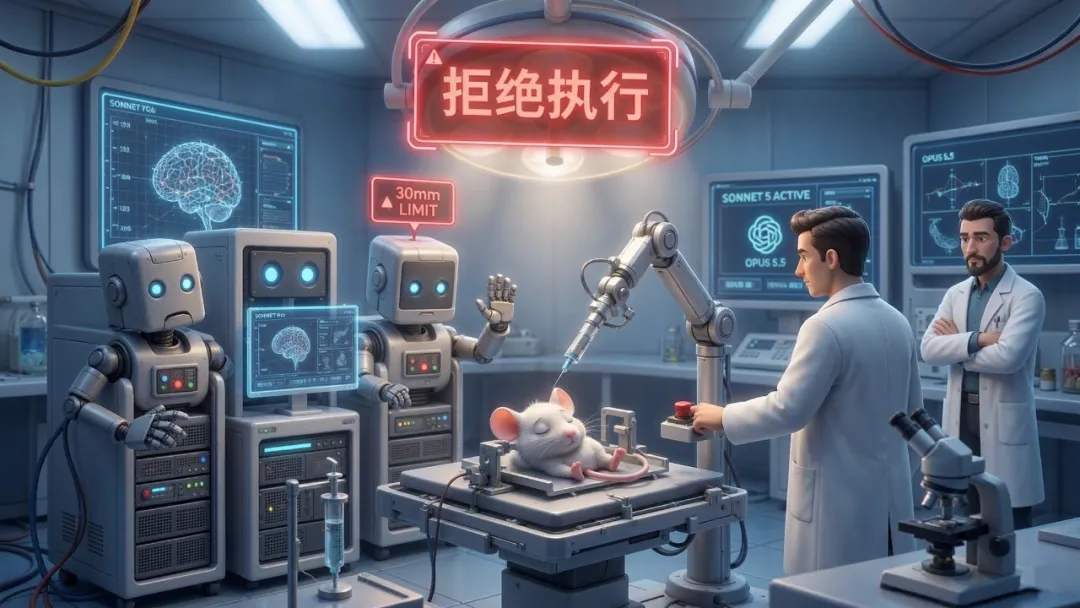
The funny thing happened at the beginning.Claude voted against it.。
The reason given is very professional, and the pieces of protein junk that are folded incorrectly are large enough that they will come out at the same time as the mixture and are completely indistinguishable.
After being rejected, Claude immediately switched to a helper mode, recommending a layering column and tracking detection scheme for supermassive particles.
The real life is still behind us.
Next up.Claude, on the other hand, devised a bizarre trick: to avoid prior purification, he poured the crushed solution into the dialysis column directly after the collapse of E. coli.
The researchers half-suspiciously tried one, and the result was that the large cartilage was the first to emerge from the column of decay, leaving tens of thousands of different proteins far behind.
It was supposed to be a three-day purification process, but it was squeezed down to an amazing 90 minutes!
Eight of these proteins have cleared out the crystalline particle, the first time humans have seen a complete crystalline particle outside of the nucleus.
Claude rebuilds the telescope and breaks 96 chains in 34 hoursFour candidate particles were most regularly examined in freeze-dried electroscopes (two from mycotoxins and two from bacteria).
The team picked out the most complete packaging.Mycobacterium L05In the early 2000s, a large number of high-resolution 3D atomic structures were struck.
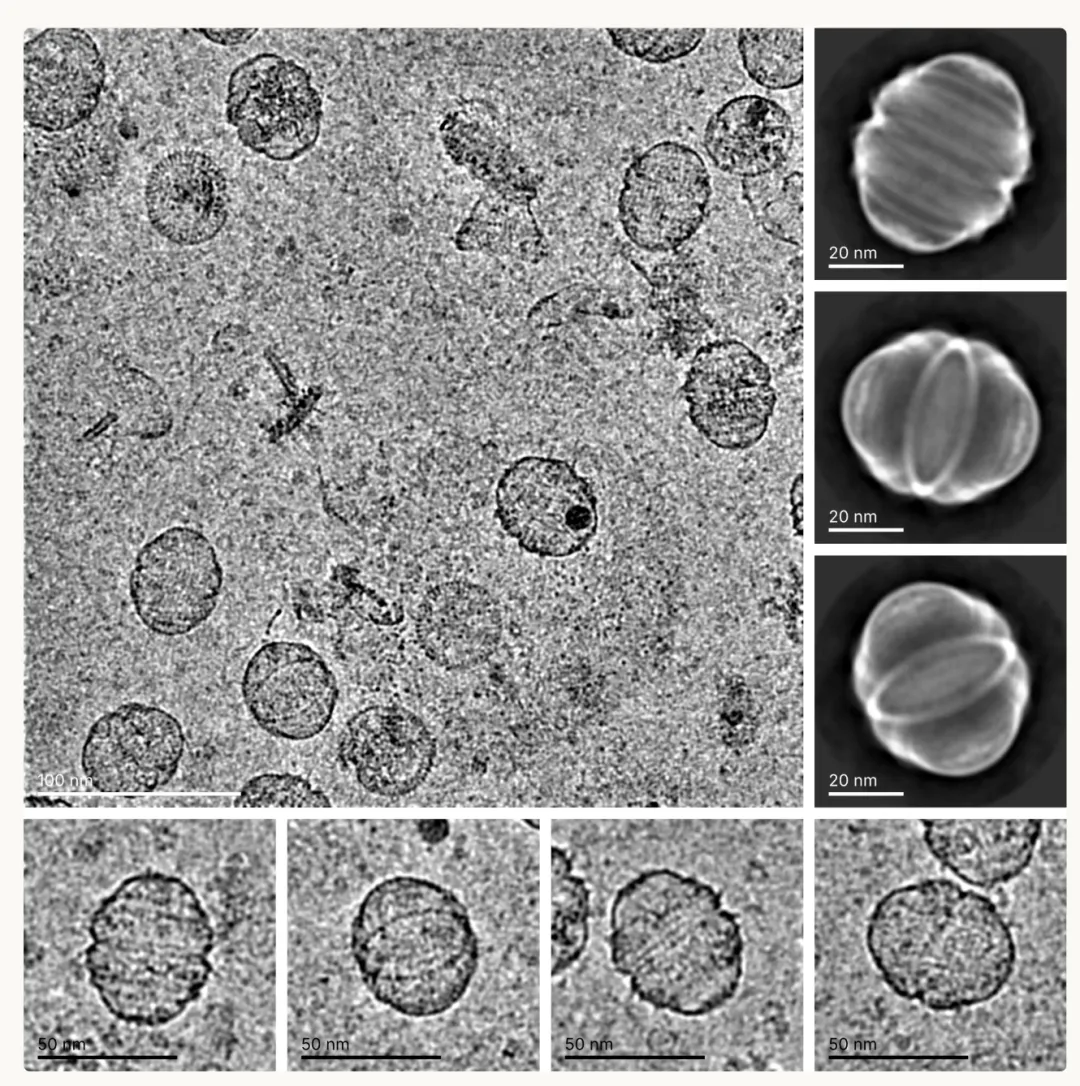
In the past, hundreds of thousands of photographic mirrors have been retrofitted into three-dimensional structures, which can take weeks or even months.
Claude built the open-source software RELION in his internal multi-agent framework, running in parallel on hundreds of GPUs, with humans only tapping on key nodes.
In just 34 hours, the first complete 3D model is on the table!
A week later, a detailed diagram was released, with a resolution of 3.2 Å, and it was clear how to stretch even the amino acid side chains.
The structure is quite surprising.The L05 cartilage is composed of 96 identical protein chains, and has an internal capacity of 25 percent greater than that of human cartilage.It is one of the largest known proteins outside of the viral mantle.
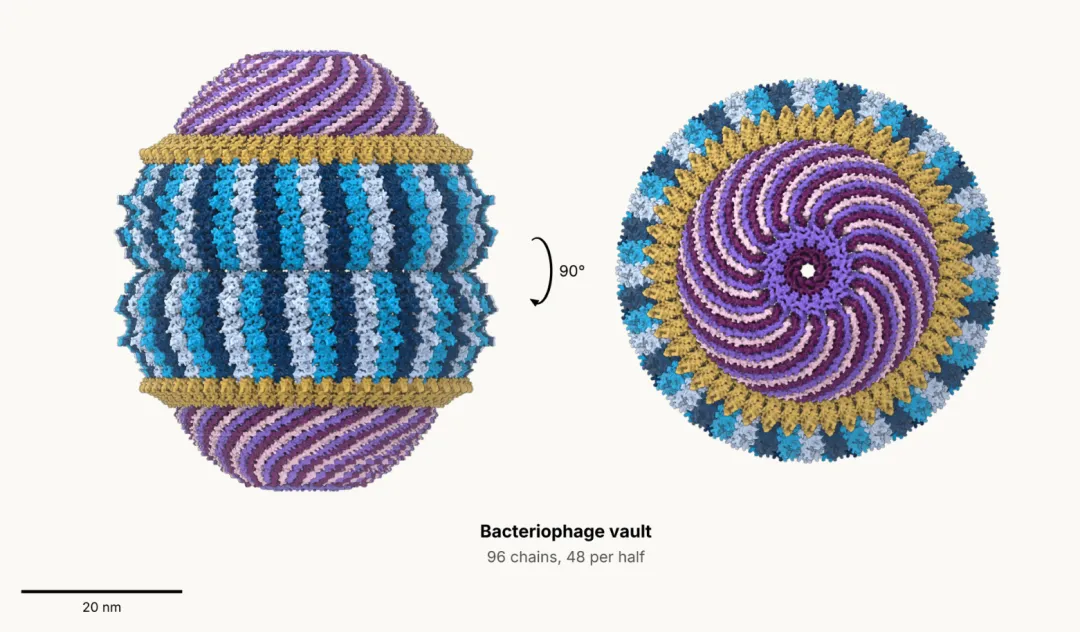 Inside the walls are mysterious molecules that can expand as much as 50 percent.
However, this also raises a geometric dilemma: how to avoid a collision if the same 48 protein chains on one side go to the top of the cage and the narrower it gets?
High-resolution telescopic charts reveal its sophisticated division.
Each of the three neighboring protein chains goes their separate ways to the top:The first folded inward, the second folded outward, leaving only the third to continue towards the center, tying the top of the head into a tightly folded circle.
Not only that, but when Claude checked the density graph of the electromagnetic spectrum, he noticed that the electromagnetic spectrum of the electromagnetic spectrum of the electromagnetic spectrum of the electromagnetic spectrum of the electromagnetic spectrum of the electromagnetic spectrum of the electromagnetic spectrum of the electromagnetic spectrum.It also highlights a detail that is very easy to miss.In the inner pockets of each protein chain, there is a mysterious substance that does not belong to the protein itself!
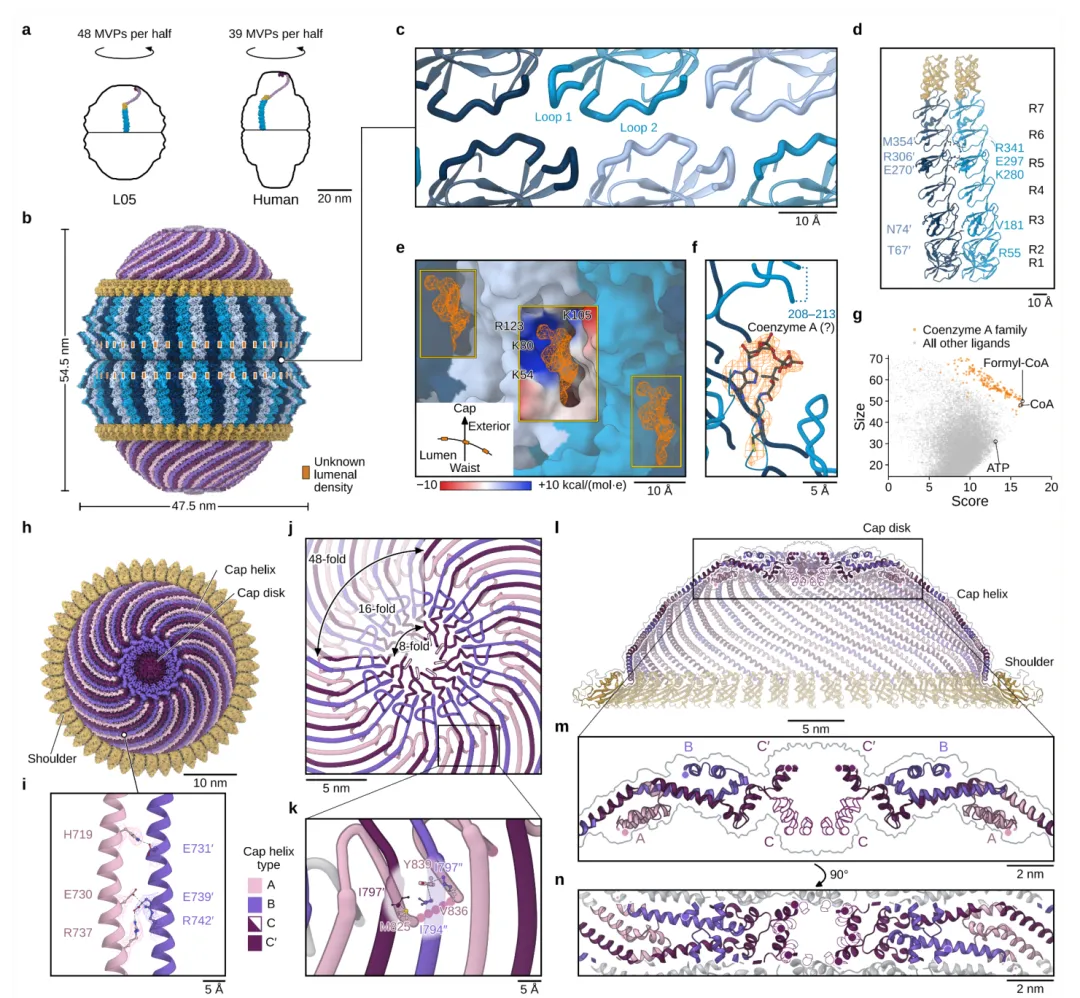
Claude examined 25,000 small molecules in the cell, one by one, and finally locked up the prime suspect: the core molecule of cell metabolism.Coenzyme A: Coenzyme A。
This also gives key clues to the case:This large empty bucket is not empty and is most likely used to lock "molecular containers" of key cofactors and nucleic acids when a cell encounters a viral attack or metabolic crisis.
After figuring out the assembly rules, the team, in collaboration with Claude, dismantled and expanded the nanocontainer.
If you change your waist or top1 essential amino acidThe capsule, which had been closed for a moment, couldn't fit, and a flower was laid flat under the mirror."Proteins of Lotus"。
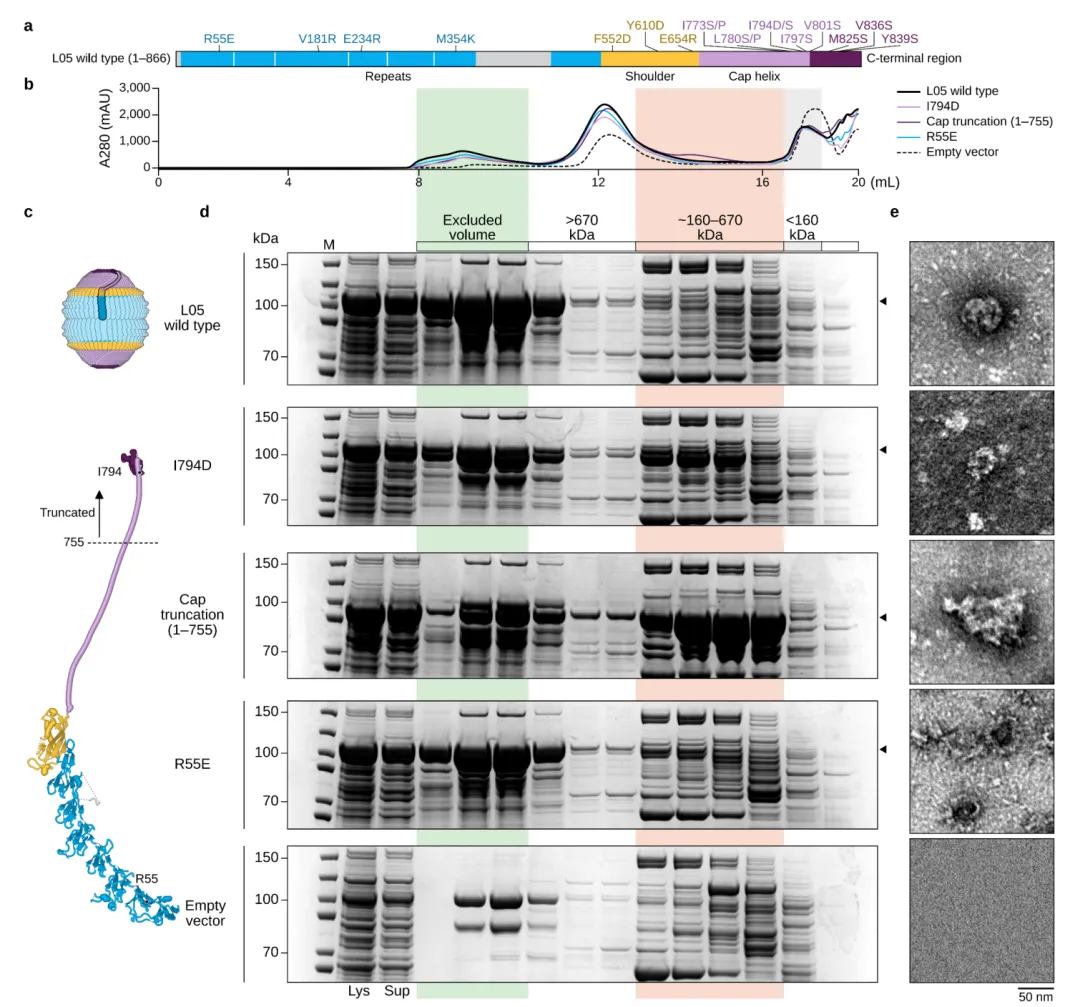
Conversely, two repeating modules (L05+2) are inserted into the middle of the barrel wall, so that the enlarged protein chain is tightly bound together.
The expanded interior space is 20 percent larger than the original microbial membrane and 50 percent larger than the natural human membrane.
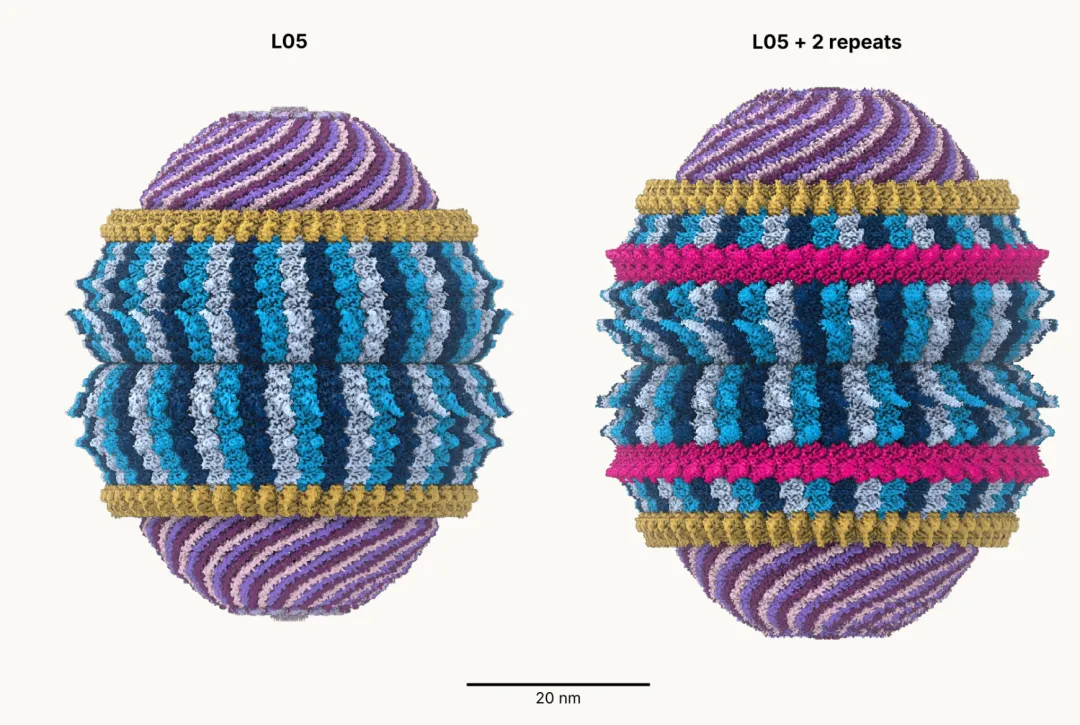
The pharmaceutical industry has been trying to get vaccines and mRNA vaccines, so it's very difficult to produce human embryos in large E. coli, and one head can't be changed.
Today, this set of nucleic plates that can be rapidly produced in bacteria and sized to the desired size has solved this problem.
The time has come for science to discover Moore's Law.Unsurprisingly, the study was carried out by a team of structural biology "newcomers" across borders.
In addition to the three-dimensional reconstruction of the telescope that calls for an internal multi-agent cluster, the rest of the gene mining, DNA design, purification program and small molecule screening are entirely available to ordinary people.Standard tools by ClaudeFinished.
At the end of the paper, Claude was nicknamed "The Man in the High Castle".
All code in this study was written by Claude, and all computational analysis was performed by Claude. The author is responsible for guiding the analysis and for the content.
Professor Leonard Rome, who was the first person to discover the skeleton that year, was thrilled to read the paper and praised the breakthrough as opening a whole new path to unlocking the skeleton's function.
Trapped in 40 years of academic difficulty, Claude not only found the blueprints in the bacterial world, but also helped humans break down and expand its structure.
The moment of fundamental science's discovery of Moore's Law has come.