“ A layer of people who pay the bills for a corporation
In June 2026, a company in Nanjing announced an order of nearly one billion yuan, a central enterprise framework agreement, a local government reserve project. The order was not forged, but five months later, the company's real controllers were disconnected.
After a recent interview with some FA institutional investors, the Robotics Workshop learned that there may be a problem with the distance between orders and refunds.
Since the framework agreement does not lock in delivery nodes, acceptance standards, and payment speeds, companies have to wait for products to be delivered, customers to be in use, and payments to be made.
Between the billions of yuan in the announcement, and the cash in the accounts, there are four thresholds next to R&D, on-site deployment, acceptance, and reimbursement.
This is not an isolated case. Between 2025 and 2026, more than 20 robotic companies, which cover at least 11 racetracks due to product landings, bankruptcies, liquidations, or business shutdowns, found that most corporate bankruptcies were largely due to receipts and refunds. Revenue could not be confirmed due to order acceptance failures, broken business lines, debt disputes dragging companies, and ultimately bankruptcy.
Because in the process, many orders are often not done by a single entity, and it takes a long distance to actually get into the scene, and a layer of people has to pay the friction costs of the physical world for the entire project.
01.
Selling certainty in a room
This class of people is called secondary companies, secondary developers, project partners, many names, they may be first industrial robot integrators, or they may be later entry-level entrepreneurs.
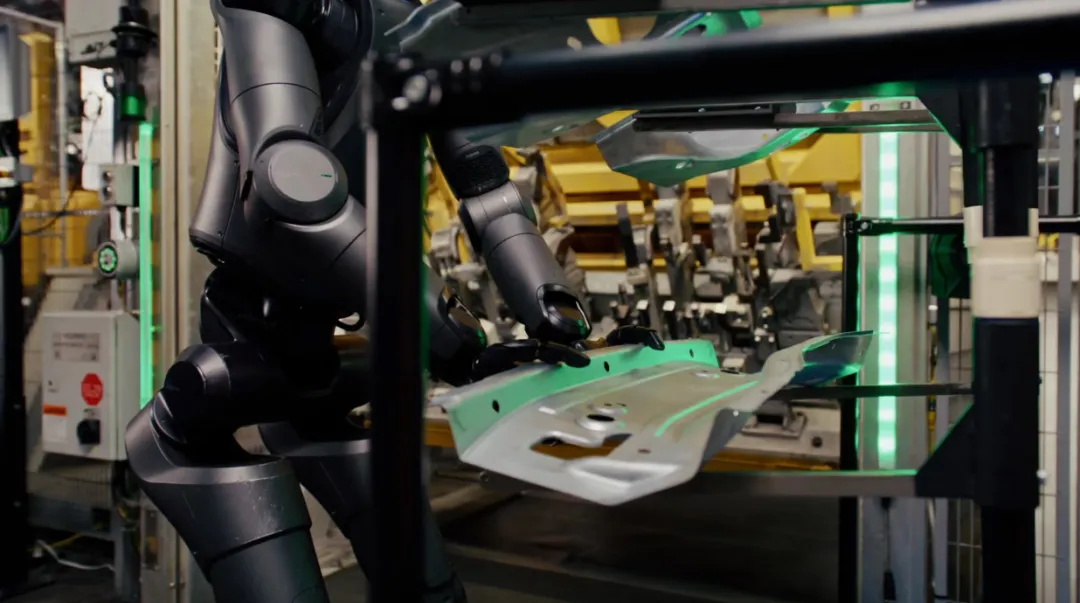
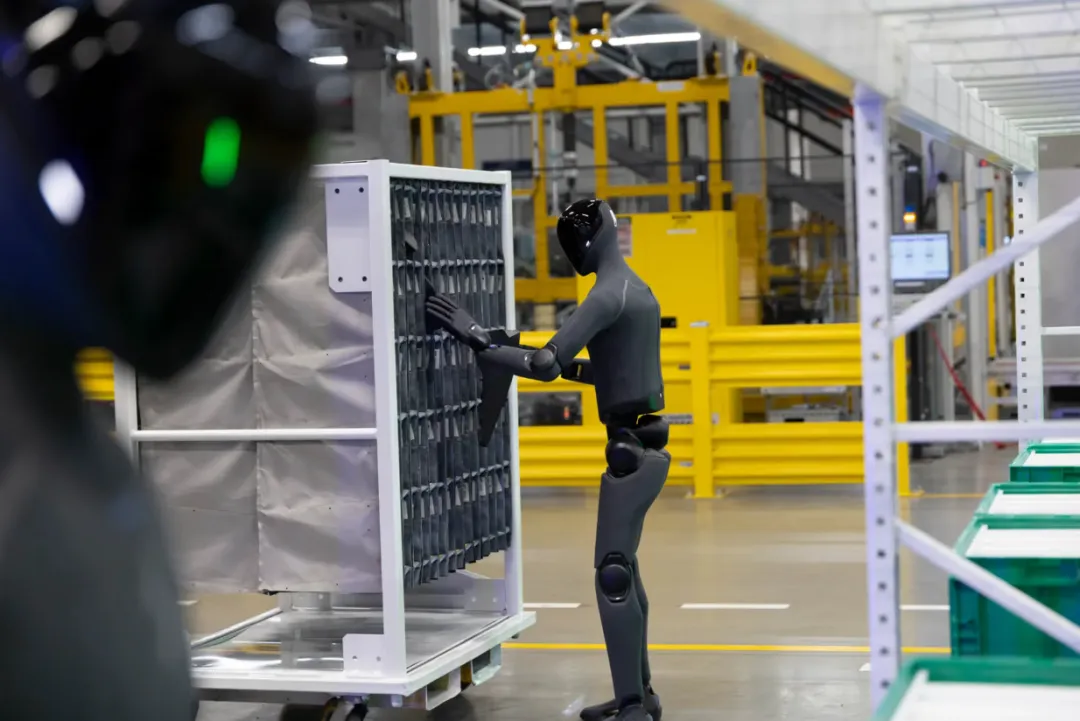
When a humanoid robot comes out of the factory, the specification book can be stamped, the conference can be streamed, the order can be signed, the factory test can only be able to walk, can't grab, can't stand on its own after a power outage.
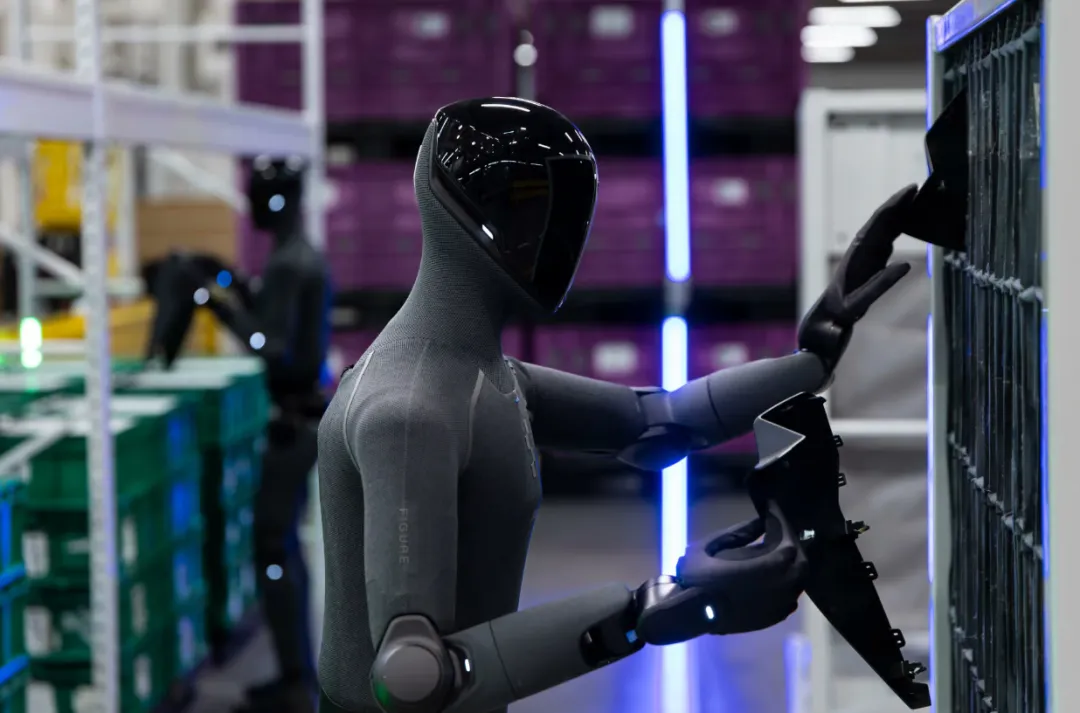
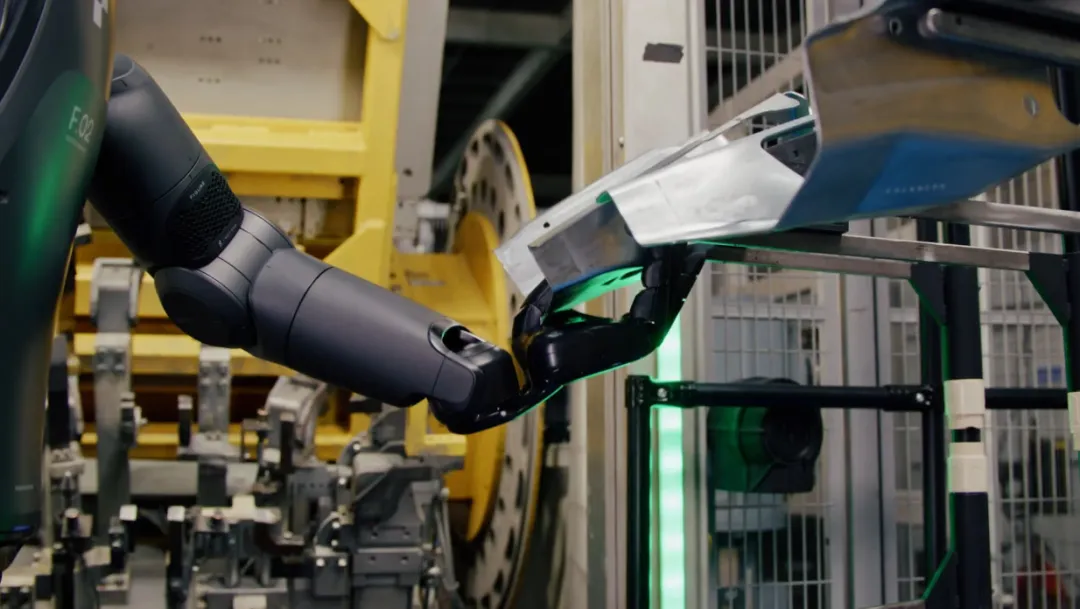
Most contracting entities, influenced by manpower and some business factors, do not enter the actual customer scene. This leads to the fact that these robots do not go directly to the factory, but most of the time they need to pull out to separate companies after the development is completed to run POC. There are many reasons, such as customer deployment in the field to measure the level of integrity, to re-markup by hand, to wait for the interface of the customer information department, to complete the preliminary work for one to three weeks, to change the batch, the environment has changed.
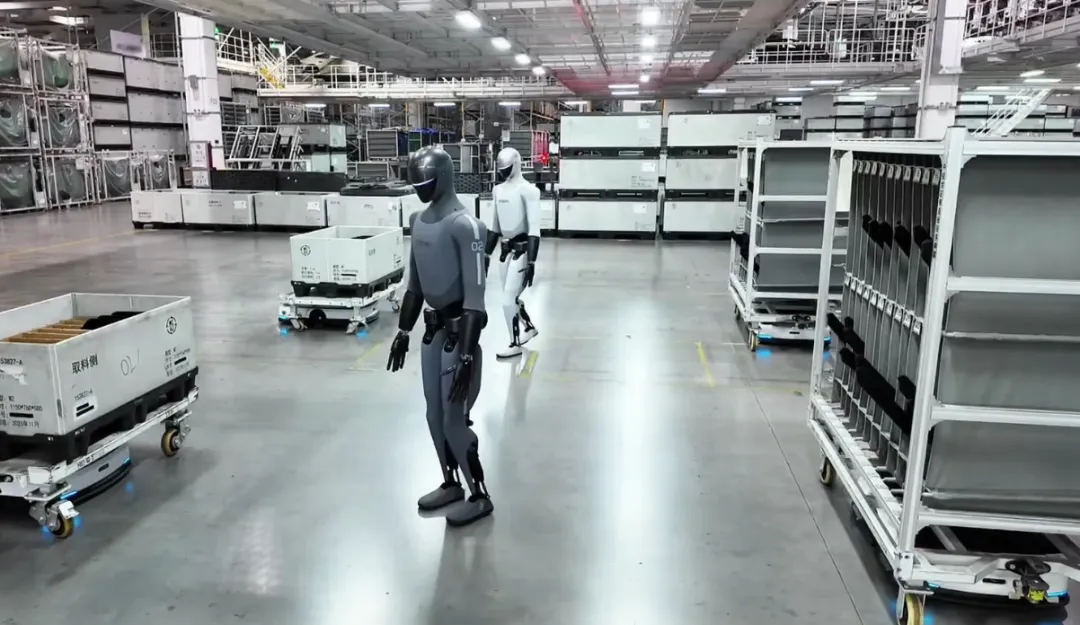
The enterprise itself has not been to the site, the order may just have worked out a certain layer of large customers, their project engineers may not know, the enterprise factory windows are facing the work area, metal parts reflect at noon, so the actual landing error rate is extremely high, it does not fully meet the requirements, the customer's warehousing, lockdown, elevator, fire, and each set has its own interface, so the local order is not the end, afterwards to buy and change a lot.
The business logic of a generic entity requires that it binds as little as possible to specific scenarios, whereas this on-site tax is levied precisely according to the scenarios. The more generic the entity, the lower the manufacturing price; the more specific the scenario, the thicker the bills.
The gap between the two is the reason for the existence of the two companies and the reason why the middle class and the landscape are never easy to do. This gap will not disappear because the price of the body has dropped from 95,000 to 50,000, because the source of the gap is not the price of the body, but the non-specificity of the physical world itself.
02.
The same people who walked the same path 20 years ago.
Industrial robots are landing driven by integrators, which are where today's intelligent second-generation companies stand, where systems integrators stood 20 years ago.
The four things to do are basically the same: pair the customer on-site, buy the controller and the body, rewire the customer product line, write the matching program, deliver maintenance.
Initially, the conversion of a wire assembly line would put the process at a disadvantage. Dismantling the old two weeks, wire three weeks, single debriefing three weeks, synchronization four weeks, maternity three months to half a year. Contract writing six weeks of delivery, actual entry to acceptance is usually doubled.
Today, the business model of the two companies and the previous integrators can still be spread with a set of numbers. The contract is three million, three robots. The payment takes four stages, signing 3090,000, the equipment arrives two hundred and sixty million, accepting 3090,000, and the guarantee is paid two percent a year later, because the customers are also afraid of problems.
On the spending side, while the three main bodies cost only 285,000, 600,000 dedicated cloud platforms, infrared and acoustic sensors, 300,000 edge computing and network conversions, 200,000 construction installations, 400,000 two engineers on site for half a year, 150,000 travel spare parts modeling costs, a total of 193.5 million.The project can also make money on the accounts, and the accounts have already been spent,Next thing you know, your cash can't be paid back on that day.
The more the next project, the more money, the more cash. There are capital adjustments, three return schedules in the pockets of previously integrated employers in the industry at the same time, the receipt of project A receipts the salary of the project B group, the prepayment of project C is the essence of the next project. Three forms wrong a month, the company began to borrow money to send salaries.
Many of today's corporate bankruptcies are not without orders, but the distance between projects and cash is longer than the size and imagination of this enterprise.
And hardly any of these expenses can be replicated across projects, and the scale of the business is currently negative. Engineers have measured the floor in one factory, painted the off-road zone, done hand-eye labeling, changed a room, the slope has changed, the lighting conditions have changed, the shelf spacing has changed, the ceiling height is made according to the height of another cook, four different rooms can come up with four completely different drawings, four bills, no one can be copied.
Today, the gross profits of secondary development companies seem to be better than traditional system integrators, reaching more than 30 percent, but the accounting period is six months at the beginning, with per capita output below 300,000, only half to one-third of traditional integrators.
03.
I've changed my identity.
After 2013, China has become the world's largest market for industrial robots, and foreign investments have raised a lot of money to develop integrators, because the body can depend on imports, the production line needs to be changed by people, and the gross profits of integrators can reach 30 percent.
After 2019, the price war from the mainstream to the implementation, the gross margin was pushed to two percent, and the accounting period was extended from three months to nine months. From 2021 to 2023, lithium and photovoltaic expansion, backlighting. In 2024, the expansion ended and began to clear.
But the upstream was running, and the middle integrator was slowly disappearing. Why not, see what's left in the company after a project ends.
It could be a couple of identification documents, a couple of customer contacts, a few people who can run the site independently.
So the integrators have been doing it for twenty years, on a scale of tens to hundreds of people.
At the time, there were three other costs for integrators who did not enter the offer. A blueprint, a scheme plus two weeks of bidding for two or three engineers, with a median bid rate of less than two percent; guarantees, five to ten percent of the contract amount for one to two years; returns to work, moderation not through working hours themselves. All three went into the company's cash flow.
Money is a bill of lading, and cash is a daily thing to deal with.,In fact, there are not many businesses that can survive this way.Non-standardisation achieves an industry and makes it difficult for an industry to go one step further.
04.
The middle layer is sandwiched between the two gates
As a new technology, physical intelligence is changing this industry to a certain extent, and it's also enabling companies to become more ecologically positioned.
After 2026, both sides are shrinking simultaneously.
On the one hand, the parent plant is going down. Because the question of how much freedom investors ask has changed from how many customers are buying back, and the buy-back happens in the customer's workshop, this makes the parent plant have to do the benchmark project personally, but partly because the project itself is on the way.
On the one hand, there is standardized and upward squeezing. In order to reduce non-standardisation, a part of the factory is developing the project itself into a product. For example, open platforms, unified SDKs, pre-packaged industry templates, project process packages, to modify and configure the adaptation work compressed in the past three months to be refined on site.
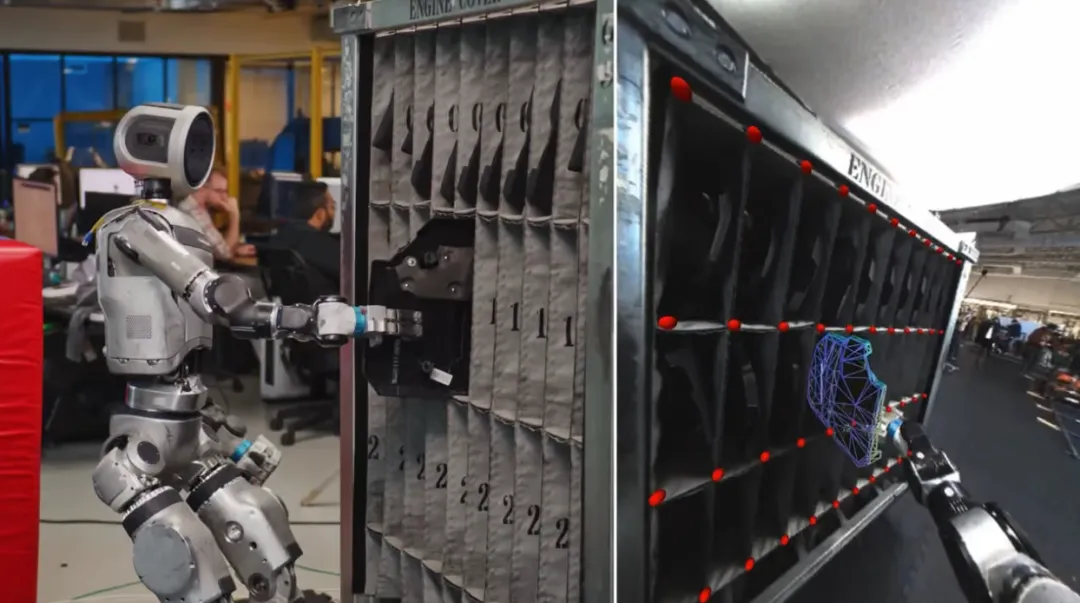
This trend has led to the integration of the business sector in the same flow, partly upstream as an industry planner, partly downstream as a person-to-person human resource outsourcing, and partly as a regional service provider by local factories, replacing on-site capacity with a stable order source.
The difference is that the time window has gone too fast, the secondary development model is not mature, the technology is developing too fast. Systems integrators have been slowly aging for twenty years, and the secondary companies now have no time to deploy their own talent and systems.
At the same time as the partnership was established, the company's position on the chain also began to slip from the necessary middle layer to replaceable outsourcing. When the main plant put the field knowledge packaging into the tool chain, the part of the company's experience that had the most barriers was the part that was most easily absorbed by the product.
Standardizing good interface standards, reducing cross-industry customization costs, but also pushing competition towards soft-hard integrated walkways.
During this transition period, it is possible that more and more secondary development companies will be born, but eventually disappear in the long rivers of history. Technology-intensive, human-intensive, integrated industries thus begin to become relationship-intensive.
05.
Values see shipments, progress tables don't see
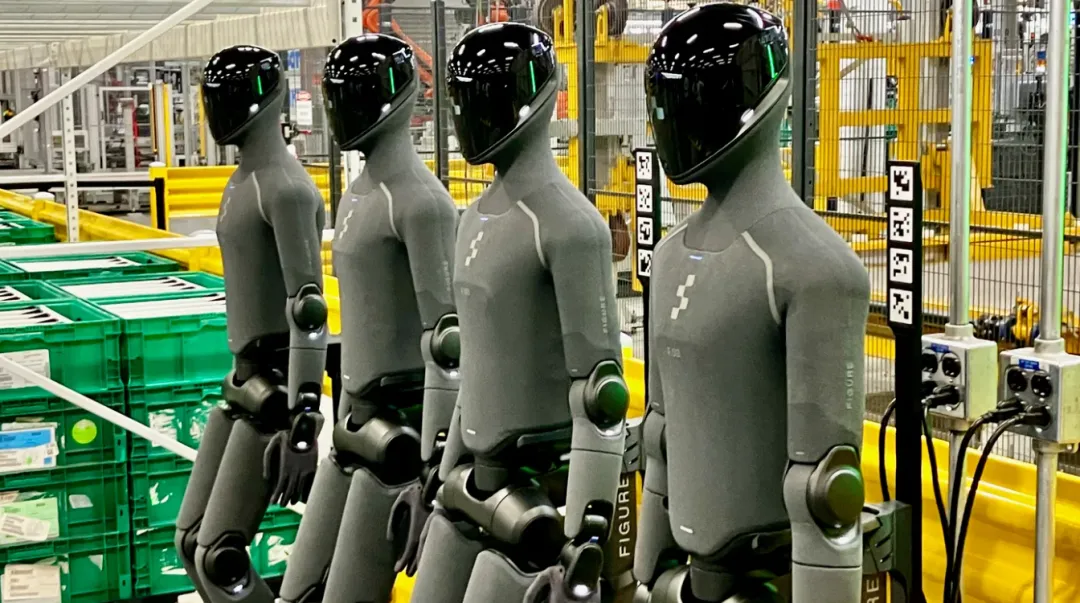
Figure AI ships about 150 units in 2025, valued at $39 billion after the C round. The pricing logic Wall Street gives it actually bypasses the on-site deployment, bypassing the hundreds of thousands of implementation fees that a robot has to fill in eight hours before it runs. It is priced at the narratives of the brain, the scarcity of model capabilities, and a universal commitment that has not yet been tested by the friction of the physical world.
There are no comparable objects at the other end of the field. The price of a separate project depends on the height of the threshold, the lighting conditions, the timing of the information department and how the receiver explains how the pump meets the requirements of the pump. This set of variables does not calculate the sales rate.
But the physical world is not involved in the valuation. The ground is still slippery, the corridor is still narrow, the kitchen is still done by a meter-six cooks. In the first half of 2026, about 70% of the domestic smart industry flows to the headquarters, money is concentrated on the body and brain, and the two companies that really can get the scene, while cash continues to bleed between receipts and paychecks.
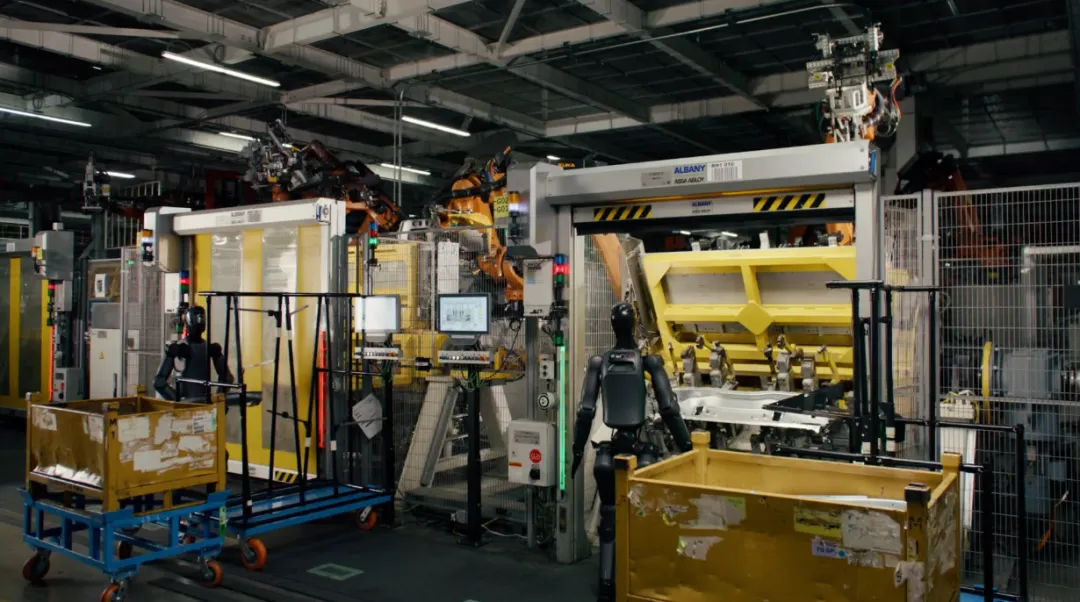
The real risk for the industry is not in the technical roadmap, it's in the progress tables of projects waiting to be accepted, in the three returns tables that have been inactive for a month, in the contracts that have signed a framework agreement but don't know when the first money will arrive.
Second-generation companies may have been the first to bring general robots from the production line to the real house, and they are moving through the physical world for the industry as a whole. But as time passes, real-world knowledge may be absorbed by the standard, manufactured by the actual factory; cash runs out before the technological roadmap.
The physical world is taxing every general robot, collecting on a case-by-case basis, never issuing invoices. The difference is who pays.。The main factory pays the gross, the second company pays the cash, and the customer pays the time.In the short term, no one can escape, so allowing profits and cooperation may still be the mainstream practice of local manufacturers to pioneer the scene in recent years.。
This is because some startups have onlyIt takes five months to prove one thing: that a fake order can be written into an announcement and that cash doesn't show up because of the announcement.。It doesn't matter if you go out there and make a big customer scene, the project will just drag you to your death.