In the last few days, the advances in AI science have made people feel a little stuck!
Fable 5.2 sends 1,000 teams of intelligent agents and in just 30 hours, it fully formalizes Fermat's theorem.
Less than half an hour into the chemistry blind test, Claude wrote a complete synthesis pathway for each of the four undisclosed molecules.
On the other hand, OpenAI has moved the site to a wet laboratory, allowing the GPT-6 Astra to directly understand the geometry, the photos of the cultivation plates and the raw data of the instrument.
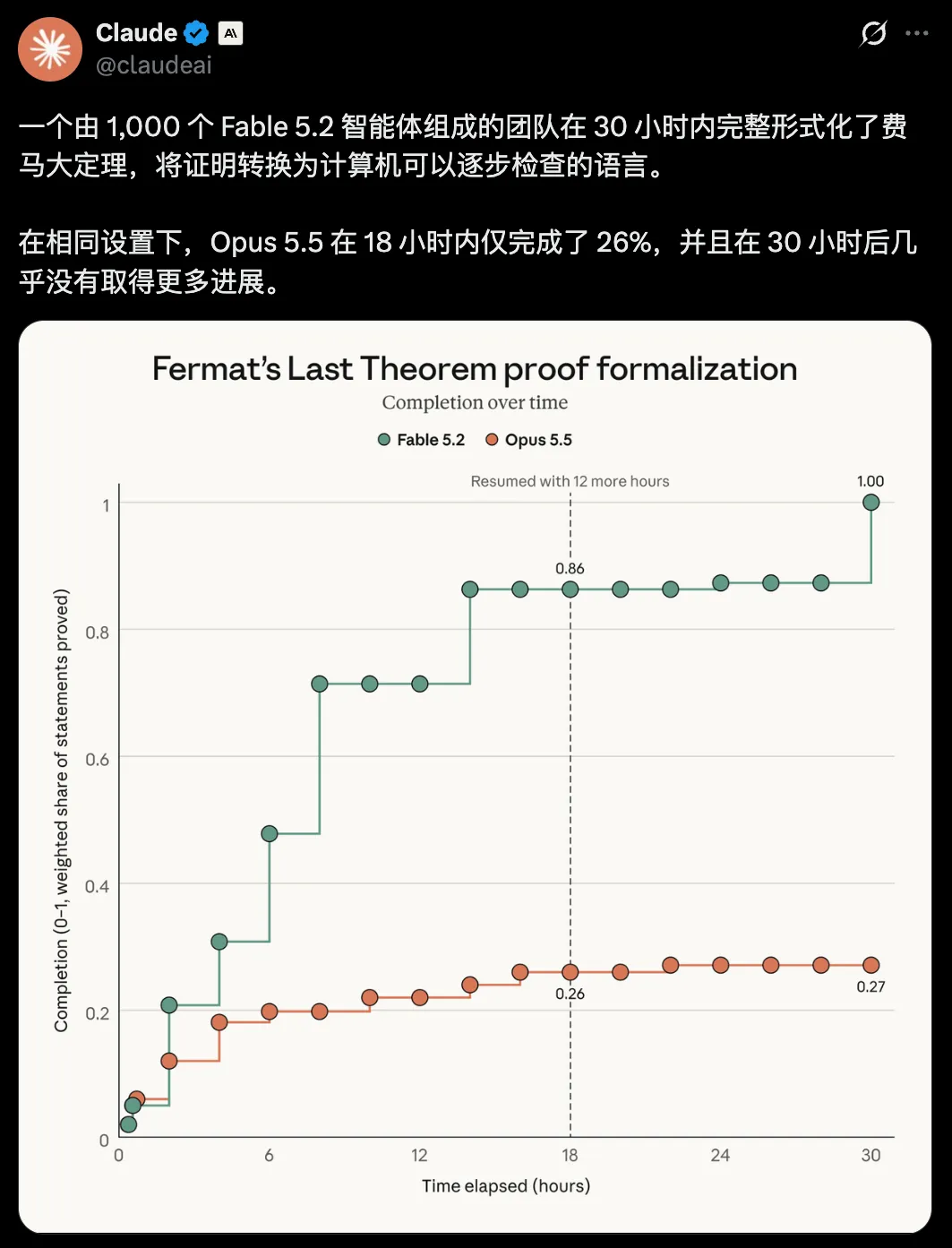 | 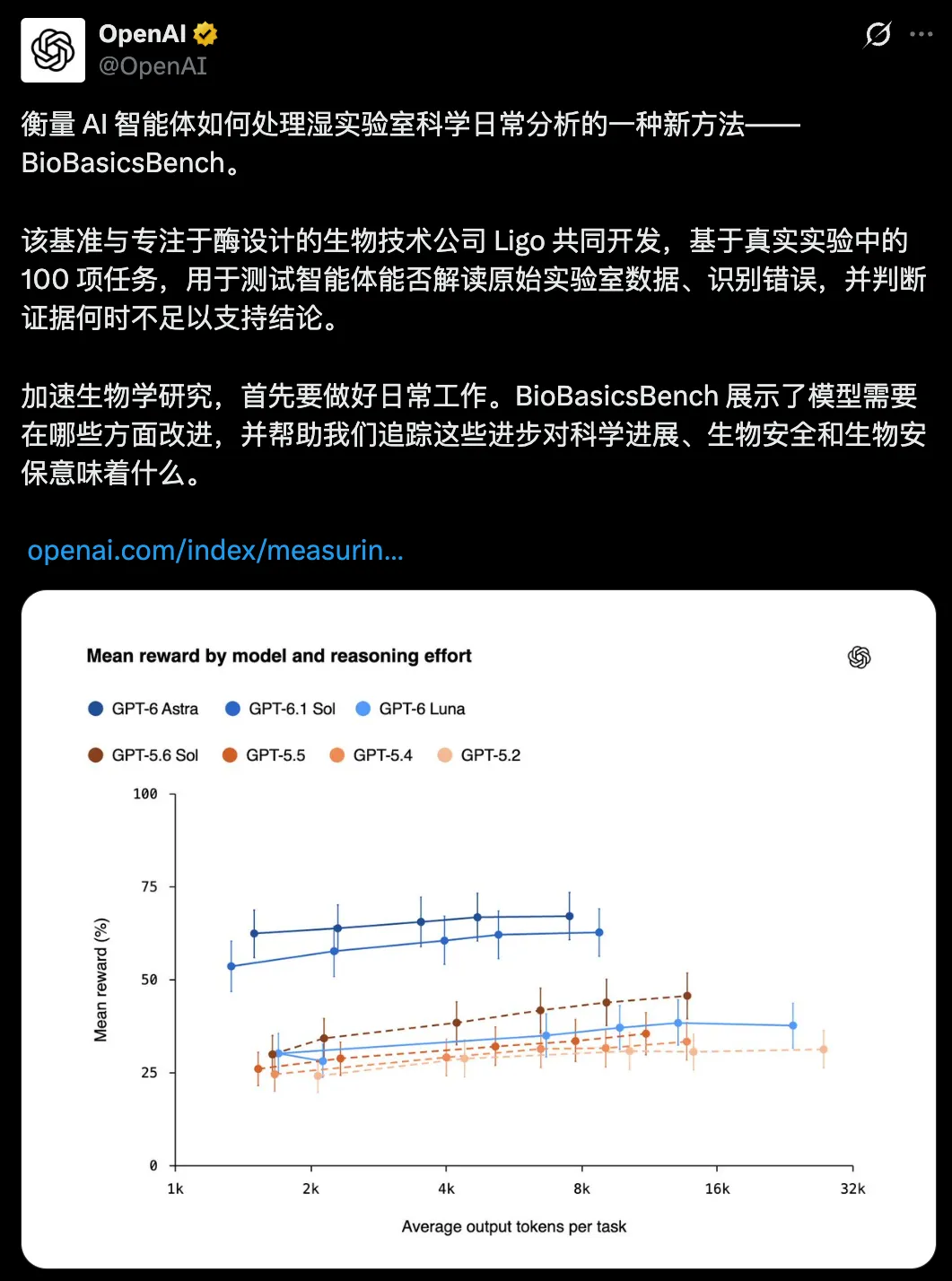 |
It was discovered that AI's role in the laboratory had changed dramatically. It was no longer just a run-and-run simulation, nor was it just a single protein structure like AlphaFold.
Nowadays, AI research has entered a new phase of "mission collaboration". From researching the literature, building models to experimenting, a group of intelligent agents are taking over the entire process, and scientists are putting their energy back into making judgments.
However, to integrate hundreds of thousands of intelligent agents into day-to-day experiments, just a few big smart models are far from enough.
How people collaborate with AI, how experiences are retained, how computing and instruments work together, and each step of testing is a whole new way of organizing.
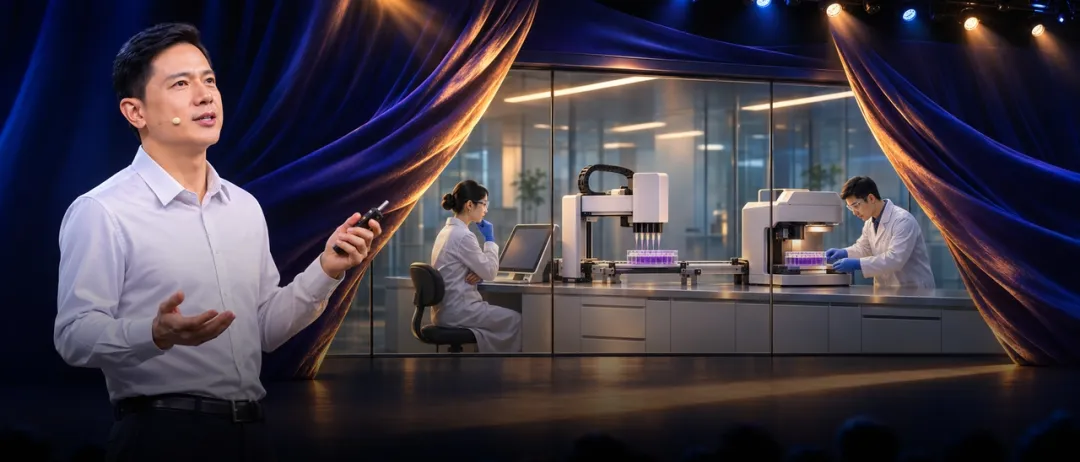
On November 12, at the Baidu World 2026 Congress, Li Yan-ho broke this relationship with a line:
The next step in AI development is intelligent organizations!
A decade ago, Baidu proposed "the next stage of the Internet is AI". Today, a decade later, focused lighting has shifted from single-point technology to the way it is organized.
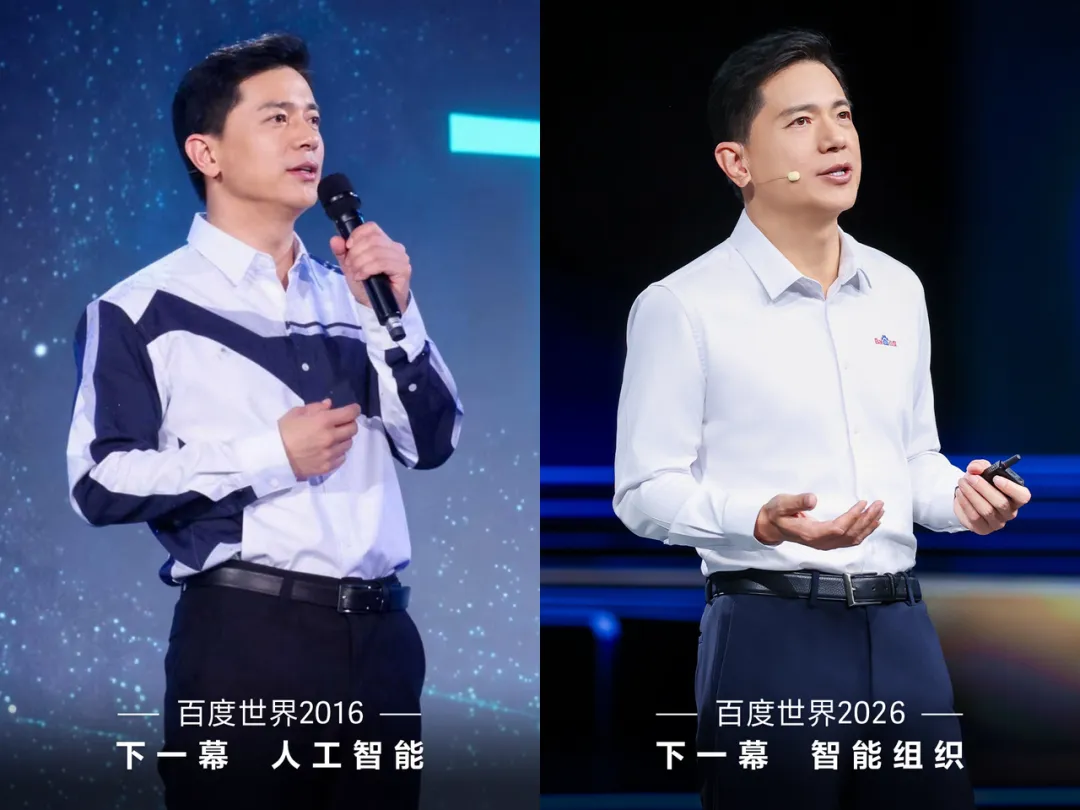 Intelligent organizationIt's the "new factory" of the AI era.
The question is, why do so many companies and laboratories buy back the top-of-the-line models when the core output is still in place?
The answer is in the eye of the beholder. Computing is locked in the machine, the data is scattered on several mobile hard drives, and the experimental instruments are not connected to each other.
In this process of fighting, even giving each person a stronger AI assistant, only increased the speed of the soldier's hand, and the efficiency of the entire team was unchanged.
Li Yi-Hong made an analogy at the congress that AI has not yet produced the expected economic benefits, because we have only replaced "motors" and not redesigned "factories".
Around this "new factory", Baidu gives three core principles for smart organizations:
The first is to break the boundaries of jobs. Jobs are the unit of the industrial age, and the task is to be the unit of the intelligent age, where the future organization is primarily the Builder who creates new things and the Seller who builds trust connections.
Secondly, deep hidden knowledge. It brings personal experiences into the minds of employees, deepens them into the platform, and makes them available at any time.
Third, the design process closes the loop. Measurable + Looping = continuous evolution, the results can be measured, and the next loop automatically rotates, the organization becomes stronger and stronger.
When you think about it, the most pressing scenario of these three principles is the daily exploration of unknown scientific research laboratories.
However, the new factory can't just sit on the map. The executive vice president of the Baidu Group, and the president of the Baidu Intelligent Cloud business group, Shenzhen, pointed out that the three principles of organizational evolution are also new standards for smart clouds.
In other words, the cloud of the future can't just control IT systems, but serve "specific tasks" directly, allowing smart entities to call on the organization's computing, models, data, and tools at any time.
With this in mind, at the AI4S sub-forum this afternoon, Baidu Smart Cloud officially released the "Core Cloud Module" integration solution.
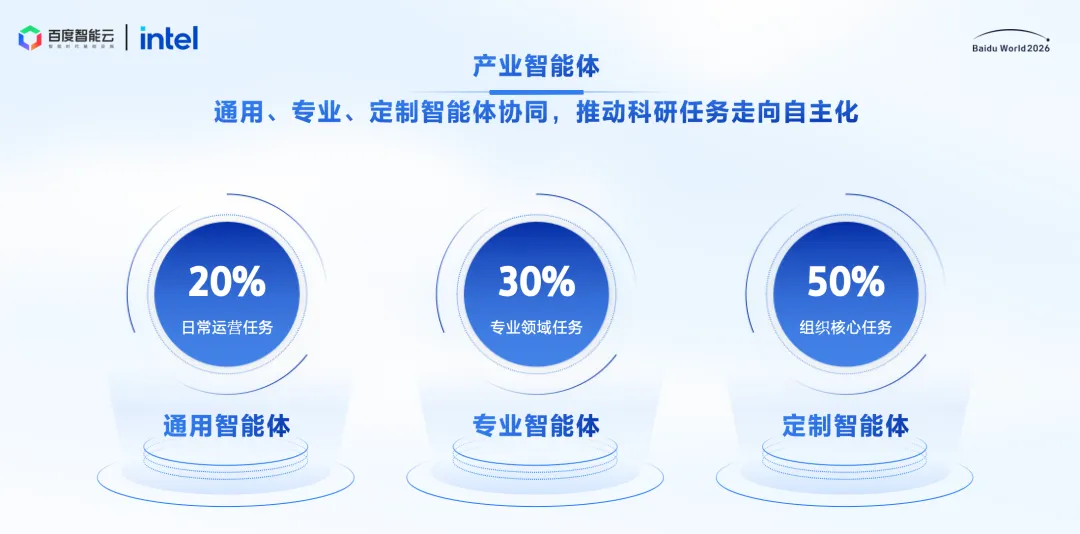
The entire program is divided into three layers, the bottom of which is powered by the Cube Core and the Centauri Core, the middle one relies on reliable data space and data platforms to manage the data, and the top one sends general, professional, and customized three types of intelligent body scientists to work.
The three layers are no longer dismantled into single-sale parts, but assembled into a complete system, bringing together the first line of scientific research.
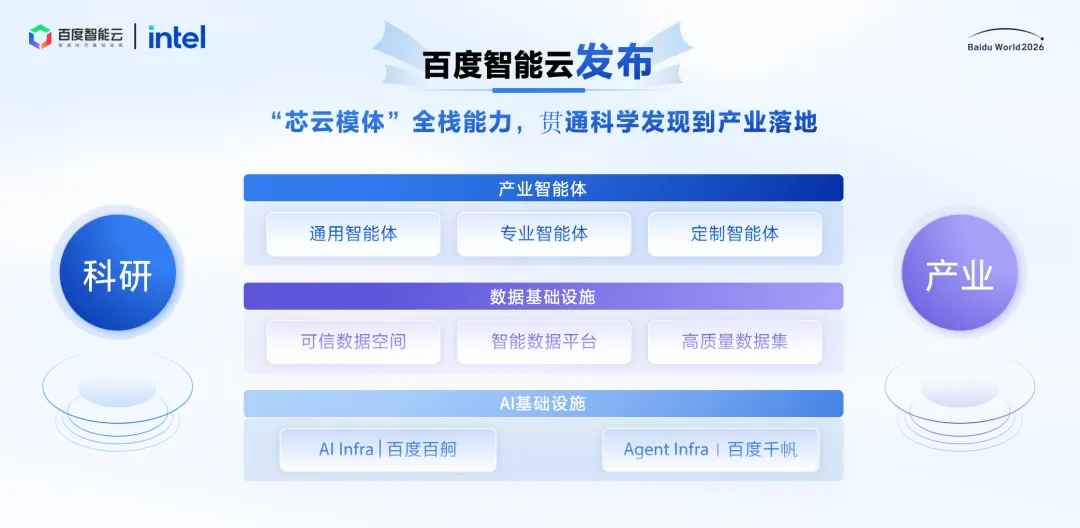 "Core Cloud Module" is on strike.It's a great way to keep your hands in the hands of your big brother.
The first thing the new system comes to the lab is to help the mentors solve the most headache-making problem of "people walking experience breaks".
Almost every group of subjects has encountered such a helpless, well-adjusted "big brother" graduation, the new teacher and teacher sister even if they ruined the historical documentation, they have to step over all the craters again.
After all, this intuition, which has been tried and tested countless times, is known as the "hand sense". It is neither written in a paper nor can it be seen in an experimental record book.
This is also the case in industrial practice. A number of critical experimental backgrounds in the life sciences remain in the minds of scientists and in handwritten records, leading to AI being often seen as a "blind touch".
In order to keep the "hand sensation" in the individual's brain in the team, Baidu's general manager in the cloud health and education industry, Zhang Super, introduced a set of ways in which data can be combined with intelligent agents.
First of all, it's a daily group meeting. The general intelligence body, the Baidu Packer, automatically records the consensus and tasks of each discussion, so as to absorb the memory of the fragmented team.
When the experiments were started, the data that came out was no longer stored in individual computers, but uniquely archived into data platforms.
Like BioMap OS from multinational pharmaceutical companies such as Bayto Bioscience Services, BioMap embeds background knowledge, model calls and experimental data in the same system, allowing AI to read the causes and consequences of experiments.
More importantly, the single-door modeling guidelines and lifecycle tool chains that the masters craft will be packaged into Skills (skills packages) and embedded in laboratory-specific customized smart devices such as "HPC Agents".
In this way, for the new class to join the group, it is only necessary to call on customized and professional intellectuals to "cut down the road" to quickly recover the technological assets left by the previous ones and continue to do so.
Even if he graduates tomorrow, his six years of recruitment experience remains in the cloud, and the team closes the door for the next one.
24 hours of sleep. Try it.Running through the "dry wet experiment" closed loopThe next step is to make it work, with two core tasks ranging from shallow to deep in the lab.
Algorithms in computers are superior and handed over to intelligent professionalsThe first class of tasks does not involve external hardware, specialising in algorithmic optimization, feature screening and sequence design.
As usual, many teams have data in their hands, and they have written a first edition algorithm, with biased cards on the last adjustment. Faced with thousands of dimensions, how parameters are combined, what characteristics are left, in the past it was all up to students to do a round of hard trials.
Today, in many collaborative laboratories, people have developed a new habit of "confronting people with unresolved questions".
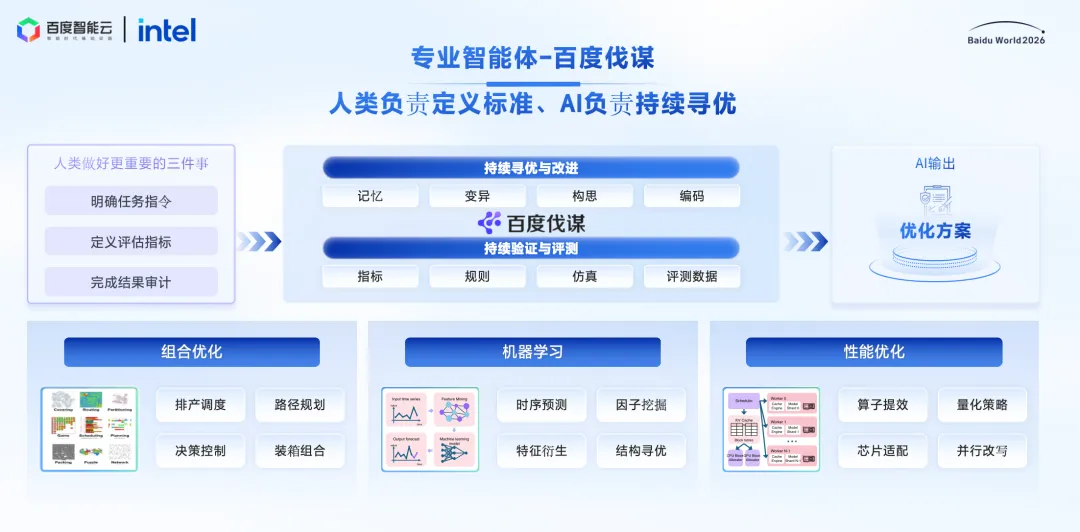
For example, in breeding research, a well-known national laboratory asked "Buddhist trials" to identify plant pattern characteristics. It automatically reduces samples in mass dimensions to find the best sampling combinations, saving the team 60% to 70% of the cost of field extraction.
From 5 percent accuracy in brain science, to multi-modular MRI differentiation, to gas spectroscopy field optimization at Beijing Industrial University, and to aerospace resistance research at SUNY, more and more interdisciplinary parametric search for excellence has been taken over by it.
The complexity of the calculations is increasing exponentially when it comes to biopharmaceuticals.
Researchers at Guangzhou's Shijiazhuang Laboratory put forward a set of contrasts: an mRNA sequence of 1000 nucleic acids, potentially encoding up to 159 times 10, while the total number of atoms in the known universe is no more than 79 times 10.
In such a large combined space, it is impossible to choose a clinical advance based on artificial poverty.
A flu antigen sequence was optimized, and the levels of the antibodies were upgraded by 10 times after AI was used for intelligent screening; another project for neural growth factors achieved the same efficacy with only one-fifth of the original dose.
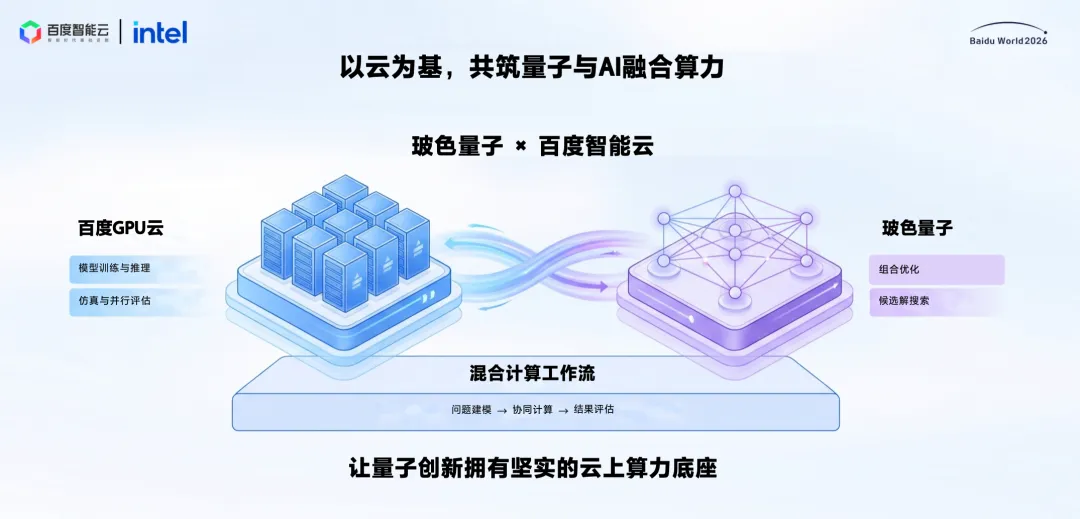
If the supermassive composite space that conventional computers encounter is also immobile, the ecological partner Bose quantum also gives another solution to the quantum computing breakdown.
They have accessed the "quantum cloud hub" to the Baidu intelligent cloud, blocking the quantum physics barrier with the PyTorch interface familiar to scholars, and have now run a multi-second pre-filtering of single-cell expression and molecular matching in the cloud at the Guangzhou Joint Laboratory.
 Connecting laboratory instruments to automate experiments
Of course, it's only the first step. If you only keep the parameters in the computer, you're only halfway there.
The larger gap is in "dry-wet separation", computer-computed schemes (dry-experiments) that require students to keep their hands on the deck to verify wet-experiments, and when both sides of the data do not match, they have to push back again.
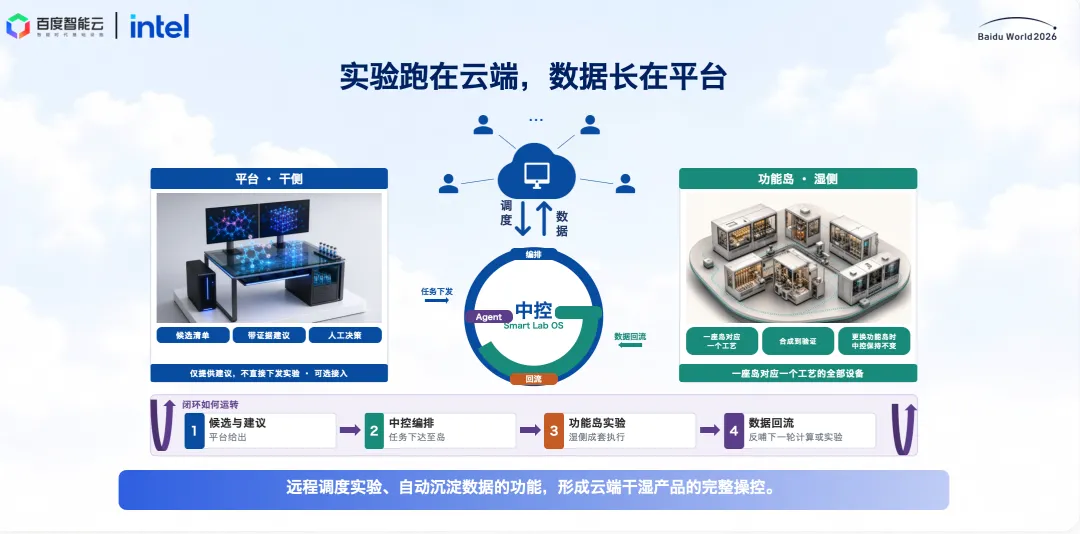
In the life sciences laboratory of Beijing University in Shenzhen, the intelligent body directly connects fluid displacement workstations, high-volume detection and other devices, transforming the experiment into a three-step automation process.
The first step is for researchers to enter targets and literature into general intelligence as a chat, and discuss alternatives to experimentation.
In the second step, the intelligent detector automatically ranks the program into a visualized "operation canvas".
At the third step, the experimental equipment automatically completes the filtration and detection on the canvas, and the actual data is sent back to the cloud in real time, automatically modifying the next round of the program.
The idea of a dry-close loop is also accelerating in the industry.
For example, Chint Tai Technology notes that a round of cell experiments lasts for a week or two, animal experiments last for months, and intelligent front-end models are also delayed by wet experiments. Therefore, they will design molecules, synthesize robots and test them in an automated flow stream, striving to increase the overall rate of generation tenfold.
In the field of new materials, he also warns that if large models are trained to synthesize data repeatedly over a long period of time, such as "close-relationship reproduction" in the biological world, the results will sooner or later go wrong.
By co-creating a cloud automation lab with NIND, they have completed dozens of molecular material validations and continue to build AI-ready data breastfeeding models from real-world experiments.
When dry-wet experiments are truly connected, young scholars no longer have to keep their instruments up at night to repeat operations, but instead devote their energies to thinking about new topics and making critical judgments.
Get out of the lab"The Law of Twelve Decades" for 10 billion yearsThe flow within the laboratory is smooth, but one step further out, and the entire academic and industrial community faces the same difficulty.
Over the past two years, people have written papers faster and calculated more quickly, but as Baidu's vice president, Shi Qinghua, confessed, "drugs are difficult to make; clinical are difficult; results are difficult to translate".
Why is it so hard for the beautiful data in the lab to become a real new drug and industrial product?
As an example, when AlphaFold was being developed, the researchers and engineers inside DeepMind were almost 1:1.
In contrast to most universities and pharmaceutical companies, which often have only academics specializing in scientific research, there is a lack of a supported AI engineering team. Even if academics come up with good algorithms, it is difficult to build an industrial-level system themselves, the results of which are naturally stuck in the laboratory.
To close this gap, Baidu's solution is to deploy engineers on the front lines of the FDE (Foreign Deployment Engineers) to form a "Science and Technology Complex" alongside scientists.
For example, the Guangzhou Laboratory, a state-of-the-art "China Digital Lung" intelligence analysis and warning platform co-created with Baidu, is a typical "scientific engineering complex".
Following this path of manufacturing research and development, Baidu Intelligent Cloud is co-founder of the Chinese Academy of Sciences Science and Innovation Development Center (CISDC) and the Guangdong University of Science and Technology (CISDC); the other is helping hundreds of pharmaceutical companies and hospitals with their GBI Health pharmaceutical data set to guide and drive joint operations.
After all, in the face of the "double decade law" of 10 billion dollars in new drug research and development, Baidu does not make drugs himself, but is only responsible for paving the way from the laboratory to the industry.
315 times the thunderstormOne minute to lift two million sandboxesWhen hundreds of intelligent agents run code and tuning instruments in the laboratory day and night, the underlying centuries-old Agent Infra and centuries-old AI Infra first have to cope with the rising simultaneous pressure.
In-house scale verification shows that in the past year, there has been a six-fold increase in the number of living smart entities at Baidu and an 11-fold increase in the number of effective tasks completed.
A more exaggerated change occurred when resource-calling side sandbox volumes increased by 60 times and the total volume of calls increased by 315 times.
Why does the demand for sandboxes suddenly increase by hundreds of times? Because human knock orders are single-line, and once the "Budget Plan" is launched, a single mission will instantly split into 1,000 parallel trial and error branches.
Faced with this instantaneous demand for computing, the upgraded Baidu Cable Agent Infra supports multi-million sandboxes simultaneously, which can pull up thousands of safe-isolate sandboxes in 100 milliseconds and burn them as they start and finish.
In addition to running fast, the experimental process must also be traceable. The platform sends a "unique digital identity" to each intelligent organism, which steps to take, which calls to report errors, which can be screened and re-checked at any time, to prevent erroneous script contamination of experimental data.
In the inter-organizational alignment of algorithms and models, Baidu has also introduced a neutral, credible large-scale model trading platform, the "wordroom", that allows Token providers to link directly to demand, and flexible alignment of coding power and model resources.
As the mission flows back and forth, it reaches the stage of massive reinforcement learning (RL) training, where 100 per cent can lift up to 2 million training sandboxes in one breath of air per minute.
It has an end-to-end training throughput of 52,000 tokens per second, updating the industry's all-time record of 45,000 tokens/s, while controlling the bounce rate difference to less than one-tenth of a million.
On the lowest level of hardware, the newly released "Bad Crunch 1024 Cartridge Supernodes" has tripled the bandwidth of cross-cartridge connectivity to support 5 trillion parameter super-large model training.
In conjunction with the cache and the KV Cache accelerator, the Token wait time (TTFT) was reduced by 90%, and the logical throughput was increased by 7 times.
The giant's shoulders moved to the clouds.Newton had said that he could see farther because he was standing on the shoulders of giants.
To some extent, the continuing hundreds of years of scientific community is the earliest form of "intelligent organization" in human history.
Unfortunately, the tradition of traditional science is slowly changing, and a new discovery has to wait years to get into a textbook, and an old scholar who has been experimenting for a long time may never get the chance to write it into a paper.
This also confirms Shinji's judgment that AI4S's competition is ultimately the competition of AI cloud's full capabilities.
Today, the "core cloud module" of the Baidu Intelligent Cloud is moving the shoulders of giants to the cloud.
Ten years ago, Li Yi-Hong said that the next stage of the Internet was AI. Ten years later, today, the protagonist of the next stage has shifted to an intelligent organization.
And scientific research is probably the first factory to light the lights in this scene.